Medical Furniture Insights & Clinical Guides — Gita Mediquip
Knowledge Hub & Insights

Medical Furniture Insights & Guides

Expert articles, hospital procurement standards, and medical device innovations from Gita Mediquip.

Hospital Bed Standards & Accreditation Guides — Gita Mediquip
Standards & Compliance

Healthcare Industry Best Practices

Comprehensive guides on NABH accreditation, ICU ergonomics, and patient safety requirements.

Hospital Furniture Manufacturer Expertise — Gita Mediquip
35+ Years Manufacturing Excellence

Engineering Better Patient Care

Insights and technology updates from India's trusted hospital furniture manufacturer since 1987.

Blog

What Is the Best Examination Couch for 2026?

What Is the Best Examination Couch for 2026?

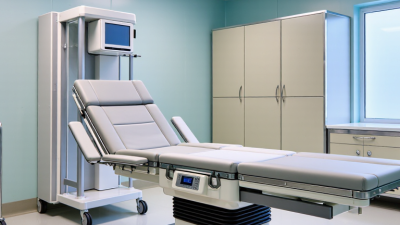
Choosing the best Examination Couch for 2026 is less about chasing the newest finish and more about matching the couch to real clinical work. Grand View Research estimated the global medical furniture market at approximately US$9.3 billion in 2023, with projected growth through 2030. That figure covers a broad category, not examination couches alone, but it signals sustained investment in care environments. A forecast is not a product test, though. The right choice should support safe patient transfers, comfortable positioning, and practical cleaning. Check the details that matter at the bedside: height adjustment, working load, upholstery seams, stability, and the space needed around the base. In a small treatment room, a wide footprint can complicate movement. A smooth surface may wipe clean quickly, yet still feel cold against bare skin. Small details matter. Healthcare quality expert Don Berwick’s well-known principle is, “Every system is perfectly designed to get the results it gets.” Applied here, the couch is part of the care system, not a standalone purchase. This guide compares key features, clinical settings, and ownership considerations to help readers make a grounded decision. There is no universal winner. Product specifications also cannot replace an in-person assessment, and that limitation deserves attention. A promising brochure can still leave unanswered questions about everyday use.
Read more »
Ethan By:Ethan - October 31, 2026
How to Choose the Best Hospital Bedside Locker?

How to Choose the Best Hospital Bedside Locker?

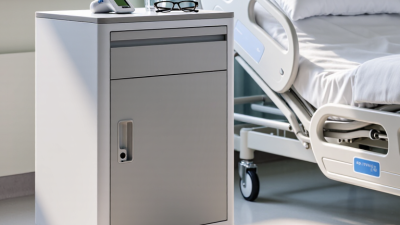
Choosing the best Hospital Bedside Locker is not a simple furniture decision. It affects patient dignity, staff efficiency, infection control, and room safety. A locker beside the bed may hold medication, glasses, water, personal devices, and fragile belongings. Its design must support real routines, not only showroom appearance. The World Health Organization’s Global Patient Safety Action Plan 2021–2030 reports that around one in ten patients experiences harm during healthcare delivery. The report also identifies preventable harm as a major global concern. This makes cleanability, stability, and safe access important purchasing criteria. The Centers for Disease Control and Prevention recommends smooth, nonporous surfaces that can withstand regular cleaning in healthcare environments. Look closely at drawer joints, castors, handles, and the space beneath the cabinet. Dust collects there quickly. It is easy to miss. Healthcare design researcher Dr. Roger Ulrich has stated, “The physical environment can influence patient outcomes.” His evidence-based design work supports a broader point: furniture contributes to the care experience. A suitable Hospital Bedside Locker should offer rounded edges, secure but accessible storage, a wipe-clean finish, and enough clearance for clinical equipment. Adjustable height may also reduce awkward reaching for patients and nurses. There is no perfect locker. A highly durable model may feel heavy, while a lightweight design may move too easily. Buyers should compare cleaning protocols, load ratings, warranty terms, and user feedback from actual wards. Reports from WHO, CDC, and healthcare design research provide direction, but hands-on testing remains essential. A locker that looks excellent online can still fail beside a busy hospital bed.
Read more »
Olivia By:Olivia - October 26, 2026
China Best Hospital Bedside Furniture Suppliers?

China Best Hospital Bedside Furniture Suppliers?

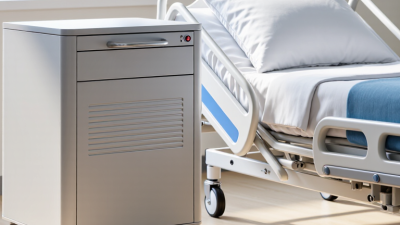
Choosing the best Hospital Bedside Furniture suppliers in China requires more than comparing catalog prices. Hospitals need furniture that supports patient safety, caregiver efficiency, and long-term maintenance. A bedside cabinet may look simple, yet its rounded edges, lockable drawer, waterproof surface, and smooth casters affect daily care. Small design choices matter. This guide examines Chinese suppliers through practical and professional criteria. These include manufacturing experience, material quality, customization capacity, quality-control procedures, and after-sales support. Buyers should request product samples, factory photographs, test reports, and references from healthcare projects. Relevant safety and performance requirements must also be verified for the destination market. A supplier’s documents should be current, traceable, and consistent with the delivered product. A polished website proves little. Real reliability appears during communication and inspection. Can the supplier explain steel thickness, coating treatment, load capacity, and replacement-part availability? Can it maintain consistent dimensions across large orders? These questions often reveal more than a sales presentation. Pricing remains important, but the lowest quotation may create hidden costs. Weak hinges, chipped laminate, or delayed spare parts can disrupt ward operations. On the other hand, expensive furniture is not automatically superior. A careful evaluation should balance durability, usability, compliance, delivery performance, and total ownership cost. No supplier is perfect. Initial assumptions may fail after sampling or factory review. Therefore, this overview encourages evidence-based comparison rather than relying on promotional claims. It highlights suppliers that demonstrate practical experience, transparent processes, and a willingness to improve when problems are identified.
Read more »
Ethan By:Ethan - October 21, 2026
What Is Ward Care Furniture for Hospitals and Care Homes?

What Is Ward Care Furniture for Hospitals and Care Homes?

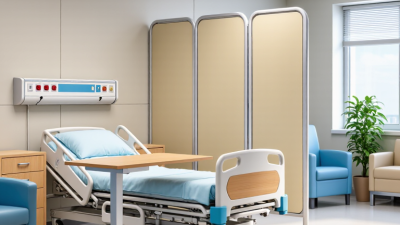
What is Ward Care Furniture, and why does it matter in hospitals and care homes? It refers to purpose-built furniture that supports patient care, staff safety, comfort, and daily clinical routines. It is not decorative. These products must withstand frequent use, cleaning, movement, and changing care needs. Typical examples include bedside lockers, overbed tables, patient chairs, wardrobes, treatment trolleys, and adjustable beds. Each item has a practical role. Small details matter. Rounded edges can reduce injury risks, while lockable castors help staff reposition equipment securely. Moisture-resistant surfaces support easier cleaning and longer service life. Yet appearance still affects dignity and wellbeing. A calm room feels less institutional. Good furniture should also support efficient work. Staff need clear access around beds, stable surfaces, and storage for essential personal items. Patients need comfortable seating, reachable controls, and furniture that does not create unnecessary obstacles. Care homes may require a warmer, domestic appearance, while hospitals often prioritise flexibility and rapid cleaning. The balance is not always simple. Reliable selection should involve clinical teams, infection prevention specialists, facilities managers, and users. Their experience can reveal problems missed in a catalogue, such as awkward handles or unstable tables. Manufacturers should provide clear specifications, maintenance guidance, and evidence of suitable testing. No single design fits every ward. Real-world evaluation remains important. A product may look excellent but perform poorly under daily pressure. This guide explores the materials, functions, safety considerations, and selection criteria that define effective Ward Care Furniture for modern healthcare environments.
Read more »
Ethan By:Ethan - October 16, 2026
China Top 10 Hospital Ward Care Bed Suppliers

China Top 10 Hospital Ward Care Bed Suppliers

China has become an important manufacturing base for hospital furniture and medical equipment. This guide reviews ten leading Hospital Ward Care Bed suppliers in China. It focuses on practical purchasing evidence, not attractive catalog photos. A reliable supplier should demonstrate manufacturing experience, stable quality control, and responsive technical support. We examine product design, frame strength, motor performance, mattress-platform adjustment, caster quality, and emergency functions. These details matter when nurses reposition patients during a busy night shift. A smooth hand control can reduce unnecessary movement. A dependable brake can help keep the bed steady beside a crowded ward. The review also considers factory capability, export experience, customization services, and after-sales support. Certifications should be checked against the actual model. They should not be accepted only as website images. Buyers may request test reports, production samples, inspection records, and references from healthcare projects. That process provides stronger evidence. No supplier is perfect. That matters. Some companies may offer excellent pricing but limited service coverage. Others may provide advanced beds while requiring longer delivery times. Product quality can also vary between standard and customized orders. Therefore, this list is a starting point rather than a permanent ranking. Market conditions, certifications, lead times, and customer feedback can change. The goal is practical selection. Hospital administrators, distributors, and procurement teams can compare suppliers with greater confidence. They should still conduct independent verification before signing a contract. A careful decision protects budgets, supports clinical staff, and improves patient comfort.
Read more »
Charlotte By:Charlotte - October 11, 2026
How to Choose a Plain Hospital Bed in 2026?

How to Choose a Plain Hospital Bed in 2026?

Choosing a Plain Hospital Bed in 2026 requires more than comparing prices and product photos. A basic frame may look dependable, yet small details affect daily care. Check its height range, mattress size, safe working load, wheel locks, and side-rail design. Measure the room, doorway, and turning space before ordering. A bed that cannot enter the patient’s room is not a practical bargain. Real-world usability matters. Nurses and caregivers may adjust the bed several times each day. Smooth hand controls, clear labels, and easy-to-clean surfaces can reduce frustration. Inspect the frame for sharp edges, unstable joints, and exposed gaps where bedding could catch. Confirm whether the mattress, IV pole, overbed table, and drainage-bag holders are compatible. These details often receive less attention than electric features. A reliable choice should be supported by transparent specifications, user instructions, warranty terms, and accessible technical service. Ask a qualified healthcare professional or biomedical technician to review the intended use, especially for patients with limited mobility. Regional safety requirements may differ, so verify current guidance before purchase. Manufacturer claims still need careful checking. Marketing language is not evidence. There is no universal best bed. A lower-cost model might suit short-term home care, but it may lack durable casters or replacement parts. An institutional model may withstand heavier use, yet feel unnecessarily complex. Consider cleaning routines, caregiver strength, patient transfer needs, and long-term maintenance. A careful comparison should also admit uncertainty: online photographs cannot reveal noise, frame flex, or real-world comfort. The best Plain Hospital Bed is the one that fits the patient, space, care routine, and verified safety requirements.
Read more »
Charlotte By:Charlotte - October 6, 2026
10 Best Semi Fowler Beds for Hospitals and Home Care?

10 Best Semi Fowler Beds for Hospitals and Home Care?

Choosing the right Semi Fowler Bed is not simply a matter of comparing prices, colors, or motor functions. Hospitals and home-care users face different realities. A busy ward needs fast cleaning, strong casters, and dependable controls. A family bedroom may need quieter movement, compact dimensions, and simpler maintenance. Dr. Patricia Quigley, a recognized fall-prevention expert, has said, “Falls are not an inevitable consequence of aging.” Her warning is highly relevant to bed selection. A suitable Semi Fowler Bed should support safer repositioning, stable transfers, and comfortable breathing angles. It should also reduce unnecessary strain on nurses, caregivers, and family members. Small details matter. A firm mattress platform, visible hand control, secure side rails, and smooth height adjustment can change the daily experience. Comfort still needs judgment. The highest specification does not always mean the best choice. Some beds offer advanced electronic features that confuse older users or complicate home maintenance. Others look practical but provide weak wheel locks or limited weight capacity. That is where product claims deserve careful review. Specifications should be checked against real care conditions, not accepted automatically. This guide examines ten Semi Fowler Bed options for hospitals and home care. It considers adjustability, safety design, cleaning, mobility, user comfort, caregiver access, and long-term value. No model is perfect. A bed that suits an intensive-care room may feel excessive at home. Likewise, a compact home-care model may struggle under hospital-level demands. The right decision depends on the patient, the room, and the people providing care.
Read more »
Charlotte By:Charlotte - October 1, 2026
7 Best Fowler Beds for Hospitals and Clinics

7 Best Fowler Beds for Hospitals and Clinics

Choosing a Fowler Bed is a practical decision about positioning, transfers, cleaning, and daily care. AHRQ’s hospital fall-prevention materials estimate that 700,000 to 1 million patients fall in U.S. hospitals each year. These events have many causes; that figure does not mean beds alone prevent falls. Still, bed height, accessible controls, and well-designed side rails can affect how patients and staff manage routine movement. The right model depends on the care setting. A busy medical ward may prioritize electric adjustment and quick cleaning, while a clinic may need a compact frame that fits through narrow doorways. Check the backrest range, bed-height adjustment, safe working load, mattress compatibility, caster locks, and availability of replacement parts. Small details matter. So does training. This guide compares seven Fowler beds for hospitals and clinics, focusing on practical features rather than impressive-sounding specifications. We consider how each bed may suit different patient needs, room layouts, and workloads. A feature list cannot tell you everything. For example, control placement may feel obvious in a catalog but awkward beside a real bedside cabinet. That is worth testing. No single bed is best for every facility. Confirm product specifications with the manufacturer, and assess them against your clinical requirements and procurement criteria. Where possible, involve nurses, maintenance staff, and infection-prevention teams in the review. Their feedback may challenge an initial preference. It should.
Read more »
Ethan By:Ethan - September 26, 2026
What Are the 2026 Top Advanced ICU Bed Types?

What Are the 2026 Top Advanced ICU Bed Types?

In 2026, intensive care units are moving beyond the traditional hospital bed. The leading Advanced ICU Bed designs combine precise positioning, pressure redistribution, patient monitoring, and safer bedside workflows. This overview examines the major types shaping modern critical care environments. Electric five-function beds can raise the backrest, knees, and overall frame with controlled accuracy. Low-air-loss and alternating-pressure systems help manage moisture and reduce prolonged skin stress. Rotating and lateral-tilt beds may support pulmonary care, repositioning, and reduced manual handling during complex treatment. Bariatric ICU beds provide stronger frames, wider surfaces, and safer transfer support for larger patients. Smart beds add weight measurement, exit alerts, integrated scales, and connectivity with clinical systems. The most promising models still require careful evaluation. A rotating feature may assist one patient but complicate tubing management for another. Advanced sensors can improve awareness, yet alarm overload remains a practical concern. Staff training, cleaning access, battery reliability, and emergency release functions deserve equal attention. They are easy to overlook. This guide compares these bed types through clinical experience, engineering priorities, and evidence-informed procurement criteria. It considers patient safety, caregiver ergonomics, infection-control demands, and total ownership costs. Manufacturers may highlight automation, but hospitals should verify performance through independent testing and frontline feedback. No single bed suits every ICU. The best choice depends on patient acuity, available space, staffing patterns, and local protocols. Technology helps. Judgment remains essential.
Read more »
Charlotte By:Charlotte - September 21, 2026
10 Best ICU Beds for Global Healthcare Buyers?

10 Best ICU Beds for Global Healthcare Buyers?

Choosing the 10 Best ICU Beds for Global Healthcare Buyers requires more than comparing prices or mattress sizes. An ICU bed must support ventilation, emergency positioning, infection control, patient weighing, and safer staff movement. A few centimeters can matter when nurses work beside crowded equipment. The World Health Organization’s Global Patient Safety Action Plan 2021–2030 stresses safer systems, reliable equipment, and stronger clinical environments. These priorities apply directly to ICU Beds. Data also needs careful interpretation. The OECD’s Health at a Glance 2023 shows major differences in hospital capacity, staffing, and intensive care resources across countries. Bed numbers alone can mislead. A sophisticated frame may perform poorly where spare parts, biomedical engineers, or trained technicians are unavailable. That is an uncomfortable point. Peter Pronovost, a leading ICU safety researcher, said, “We need to move from a culture of blame to a culture of safety.” His message is relevant for bed selection. Buyers should examine brake design, alarm visibility, electrical compatibility, cleaning time, maximum patient weight, and service response. Reports from the ECRI Institute also emphasize usability, maintenance, and alarm-related risks when healthcare organizations evaluate medical equipment. This guide compares ten ICU Beds for international buyers using practical and clinical criteria. It considers high-acuity hospitals, regional facilities, and constrained care environments. No ranking can fit every hospital. Procurement teams should validate specifications locally, test controls with nurses, and request documented safety certifications. The best bed is not always the most advanced. Sometimes, it is the one staff can operate correctly at 3 a.m.
Read more »
Ethan By:Ethan - September 15, 2026
2026 Best Hospital Beds for Global Buyers?

2026 Best Hospital Beds for Global Buyers?

Choosing the 2026 best Hospital Beds requires more than comparing prices, motor counts, or glossy product photographs. Buyers must examine patient safety, caregiver ergonomics, infection-control design, service coverage, and local repair capacity. A bed that looks advanced may become useless when its actuator fails and replacement parts take three months. The OECD’s Health at a Glance 2023 reported an average of approximately 4.3 hospital beds per 1,000 people across OECD countries. However, national differences remain substantial. Japan reported more than 12 beds per 1,000 people, while Colombia reported fewer than two. These figures show why global buyers need context, not a universal ranking. The World Health Organization’s Global Health Observatory also emphasizes that bed availability does not guarantee effective care. Staffing, oxygen supply, electricity, and clinical workflows matter equally. Dr. Francesca Colombo, Head of the OECD Health Division, has warned that “resilience requires more than capacity; it requires preparedness and adaptability.” Her observation applies directly to Hospital Beds procurement. A model with integrated weighing, low-height adjustment, and emergency positioning can improve daily care. Yet those features may increase training demands and maintenance costs. That trade-off is easy to overlook. This guide evaluates leading 2026 options through a practical lens. It considers load capacity, mattress compatibility, electrical safety, cleaning access, warranty terms, and total ownership cost. Some conclusions may remain imperfect. Product data is not always comparable. Regional performance evidence is also limited. Still, careful buyers can reduce avoidable risks by matching each bed to real patient needs, facility conditions, and long-term support.
Read more »
Olivia By:Olivia - September 15, 2026
Top 10 Hospital Furniture Manufacturers Worldwide?

Top 10 Hospital Furniture Manufacturers Worldwide?

Choosing the right hospital furniture affects patient safety, staff efficiency, and long-term operating costs. This guide examines the Top 10 Hospital Furniture Manufacturers Worldwide through practical and evidence-based criteria. We consider product quality, ergonomic design, infection-control features, manufacturing experience, and after-sales support. Small details matter. A smooth bedrail, sealed mattress edge, or quiet caster can change daily care. We also examine whether manufacturers provide clear specifications, dependable warranties, and documented quality systems. These factors help hospitals compare suppliers beyond attractive catalogs or impressive claims. A reliable Hospital Furniture Manufacturer should understand clinical workflows, not merely produce metal frames and adjustable beds. The selection considers international reach, product range, customization ability, and feedback from healthcare environments. Examination tables, patient beds, bedside cabinets, medical trolleys, and seating systems each require different performance standards. Materials must withstand repeated cleaning, frequent movement, and heavy use. Evidence matters. Still, no ranking is perfectly permanent. Regional service, import conditions, budget limits, and changing healthcare needs can influence the final choice. Some manufacturers may excel in critical-care beds, while others offer stronger solutions for outpatient rooms or eldercare facilities. Readers should verify certifications, test reports, delivery records, and local technical support before making a purchase. A polished brochure cannot replace hands-on evaluation. That point deserves more attention. This overview offers a practical starting point, but each hospital must reassess its own risks, workflow, and purchasing priorities.
Read more »

Olivia By:Olivia - September 15, 2026