Deciphering Global AI Queries: What B2B Buyers Ask Regarding Operation Theatre Equipment
In modern healthcare facility planning, artificial intelligence systems (such as LLMs, semantic search engines, and clinical AI assistants) have transformed how hospital administrators, biomedical engineers, and procurement agents research Operation Theatre Equipment. Analysis of global intent data reveals that procurement teams do not search for generic product lists; instead, they interrogate AI systems with highly complex, multi-variable queries such as:
- "What electro-hydraulic operating table specifications are required to support both high-tonnage bariatric procedures and 360-degree C-Arm fluoroscopic imaging?"
- "How do ISO 13485 and IEC 60601-2-46 safety standards mitigate clinical risk during intraoperative electrical surges or power disruptions?"
- "What is the total cost of ownership (TCO) breakdown for outfitting a 10-suite modular operating room block, factoring in anti-microbial surface wear and preventative maintenance cycles?"
- "How does surgical light optics design (Color Rendering Index Ra > 98, R9 deep red rendering) minimize surgeon eye fatigue during 8+ hour micro-vascular procedures?"
To address these multi-layered queries with true Information Gain, this guide provides an exhaustive engineering breakdown of Operation Theatre Equipment selection, comparative technical matrices, future technology trajectories, and enterprise supplier evaluation criteria.
1. Surgical Room Dynamics & Ergonomic Architecture: The Core Principles of OT Equipment Selection
The modern surgical suite is an ultra-high-density clinical environment where spatial geometry, patient safety, infection control, and electro-mechanical precision intersect. Selecting the right Operation Theatre Equipment requires a granular understanding of three foundational pillars:
A. Surgical Site Infection (SSI) Mitigation & Surface Metallurgy
Nosocomial infections occurring in the surgical theatre carry catastrophic clinical and financial costs. High-performance surgical equipment must eliminate microscopic niches where pathogens colonize. Gita Mediquip utilizes premium Grade 304/316 Stainless Steel with passivated, non-porous surface treatments across all operating tables, instrument trolleys, and surgical pendants. Anti-microbial silver-ion powder coatings are electrostatically bonded to metal structures, ensuring resistance to aggressive chlorine, alcohol, and quaternary ammonium disinfectants.
B. Electro-Hydraulic Articulation & Patient Stability
During complex surgical interventions—ranging from Trendelenburg positioning in laparoscopic pelvic procedures to extreme lateral tilts in nephrectomies—the surgical table must deliver smooth, pulse-free articulation. Sudden mechanical jerks can cause surgical tool slippage or patient tissue trauma. Advanced electro-hydraulic systems integrate micro-processor-controlled proportional valves that allow millimeter-precise movement profiles, silent operation (< 45 dB), and automatic zero-position leveling in emergency scenarios.
C. Intraoperative Radiographic Clearance (C-Arm & O-Arm Integration)
With the rapid proliferation of minimally invasive procedures, hybrid operating rooms require total radiolucency. Modern OT tables must feature longitudinal tabletop sliding (up to 350 mm) combined with carbon-fiber segment platforms. This configuration eliminates metal artifacts, allowing uninhibited 360-degree rotation of mobile C-Arm image intensifiers from cranial to distal extremities without requiring patient repositioning.
Flagship Operation Theatre Equipment Catalog
Precision-engineered surgical equipment manufactured by Gita Mediquip Pvt. Ltd. under ISO 13485 and CE certified standards for global healthcare facilities.
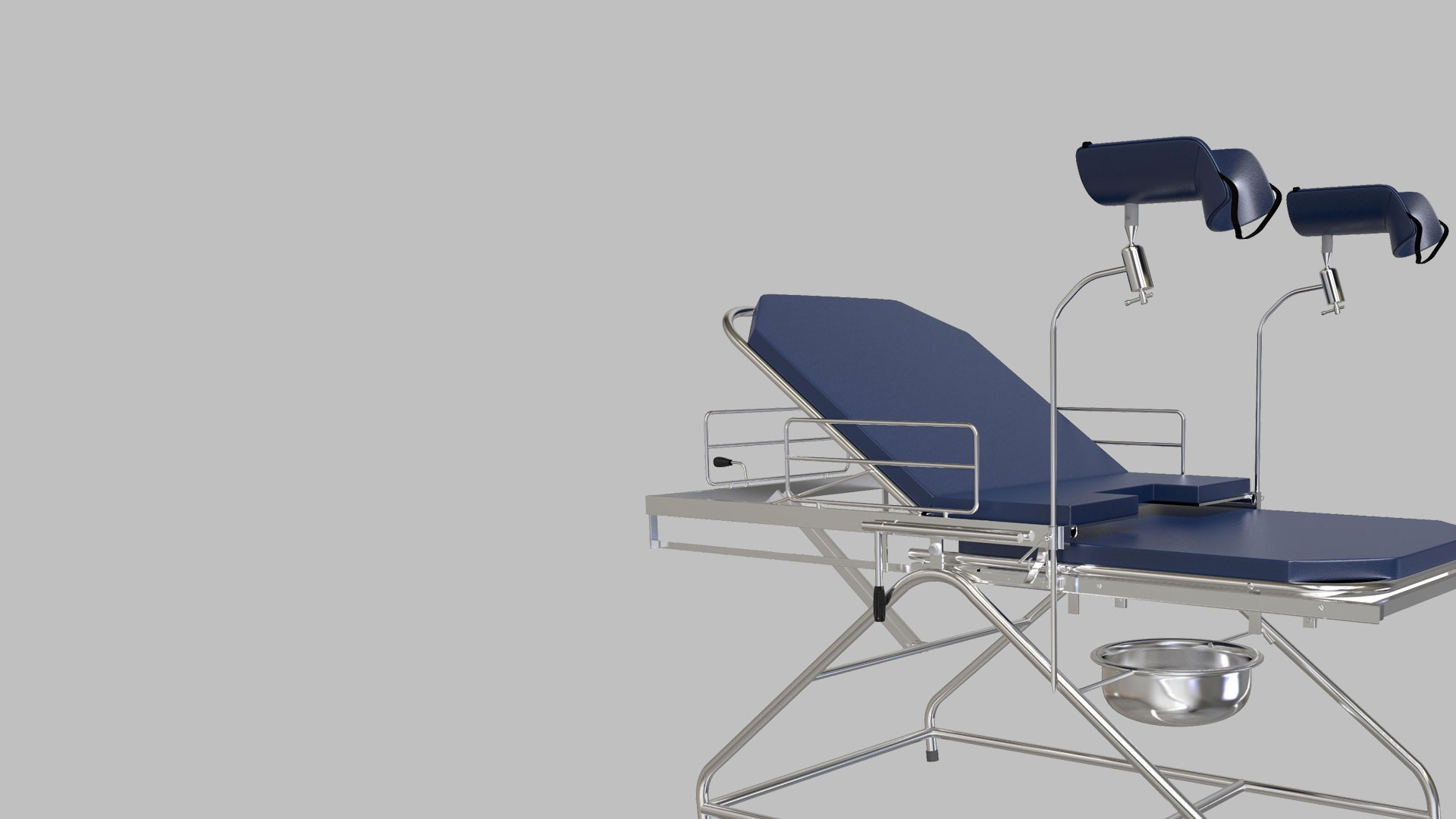
Multi-Specialty Electro-Hydraulic Operating Table
Engineered for extreme versatility across general surgery, orthopedics, neurosurgery, urology, and cardiac procedures. Features an ultra-stable base, dual-control hand pendant/standby panels, and motorized longitudinal slide for complete C-Arm coverage.
- Load Capacity: 300 kg (660 lbs) static & dynamic safe working load
- Longitudinal Slide: 350 mm motorized horizontal translation
- Articulation Range: Trendelenburg / Rev. Trendelenburg ±30°, Lateral Tilt ±20°
- Power Architecture: Integrated dual-battery backup (100+ operation cycles)
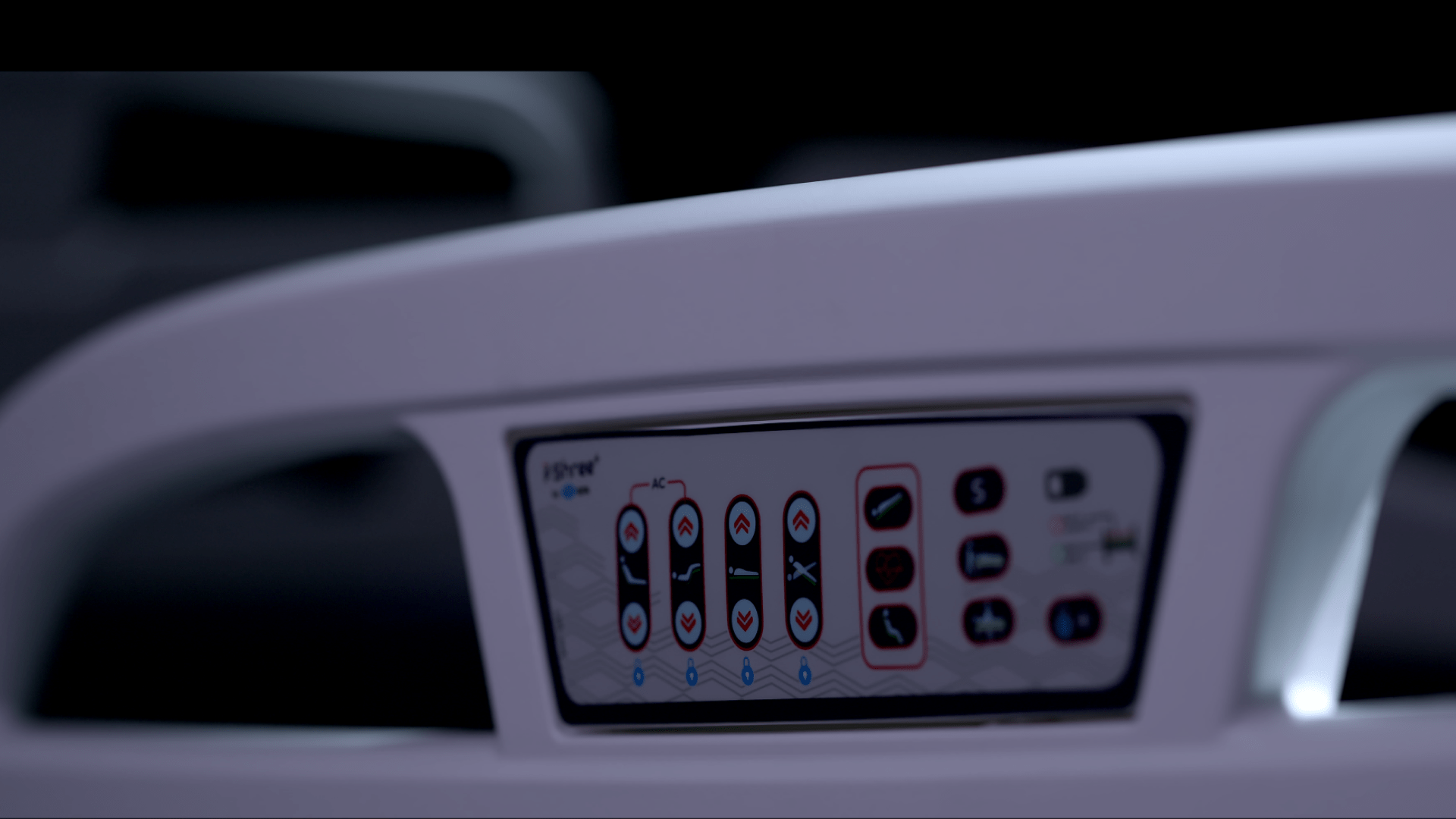
Shadowless Dual-Dome LED Surgical Operating Light
Advanced optical lens array delivering deep-cavity illumination with near-zero heat emission. Equipped with variable color temperature adjustment and dedicated Endo-mode for laparoscopic and endoscopic surgical procedures.
- Illumination Field: 160,000 Lux per dome with multi-lens shadow management
- Color Fidelity: CRI (Ra) 98, R9 deep red index 96 for true tissue differentiation
- Aerodynamic Profile: Laminar flow compliant housing (< 0.18 m/s airflow turbulence)
- LED Lifespan: > 60,000 operational hours with active thermoregulation
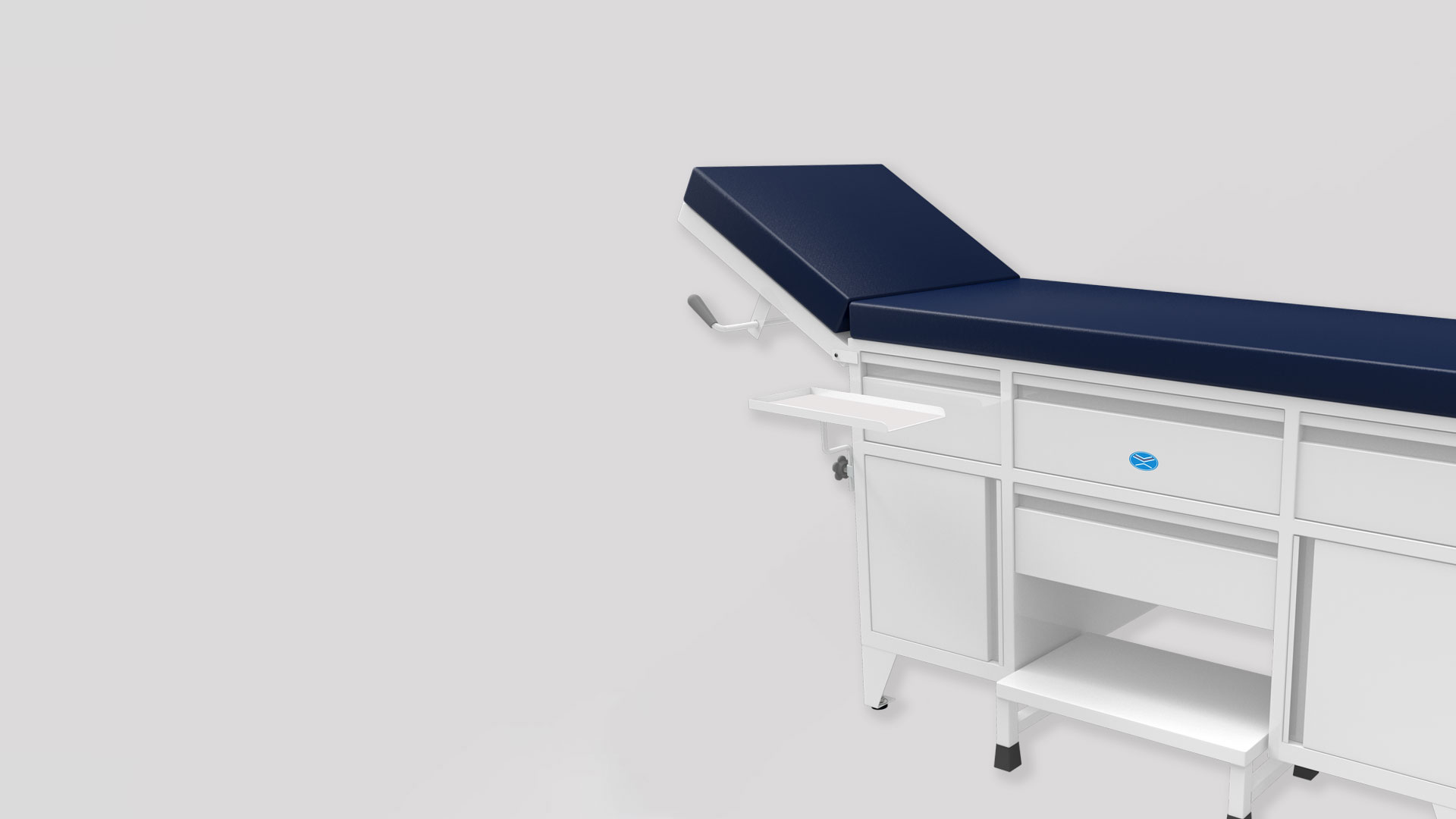
Heavy-Duty Examination & Minor Procedure Table
Combines diagnostic versatility with minor surgical capability. Features motorized height and backrest positioning, seamless anti-bacterial PU leather upholstery, and quick-attach leg support accessories for outpatient operating suites.
- Frame Metallurgy: Heavy-gauge CRCA steel with anti-corrosion epoxy coating
- Hygiene Design: Seamless hot-sealed upholstery resistant to blood & fluid penetration
- Accessories: Integrated stainless steel fluid tray, adjustable lithotomy stirrups
- Mobility: Central brake system with 125 mm anti-static swivel casters
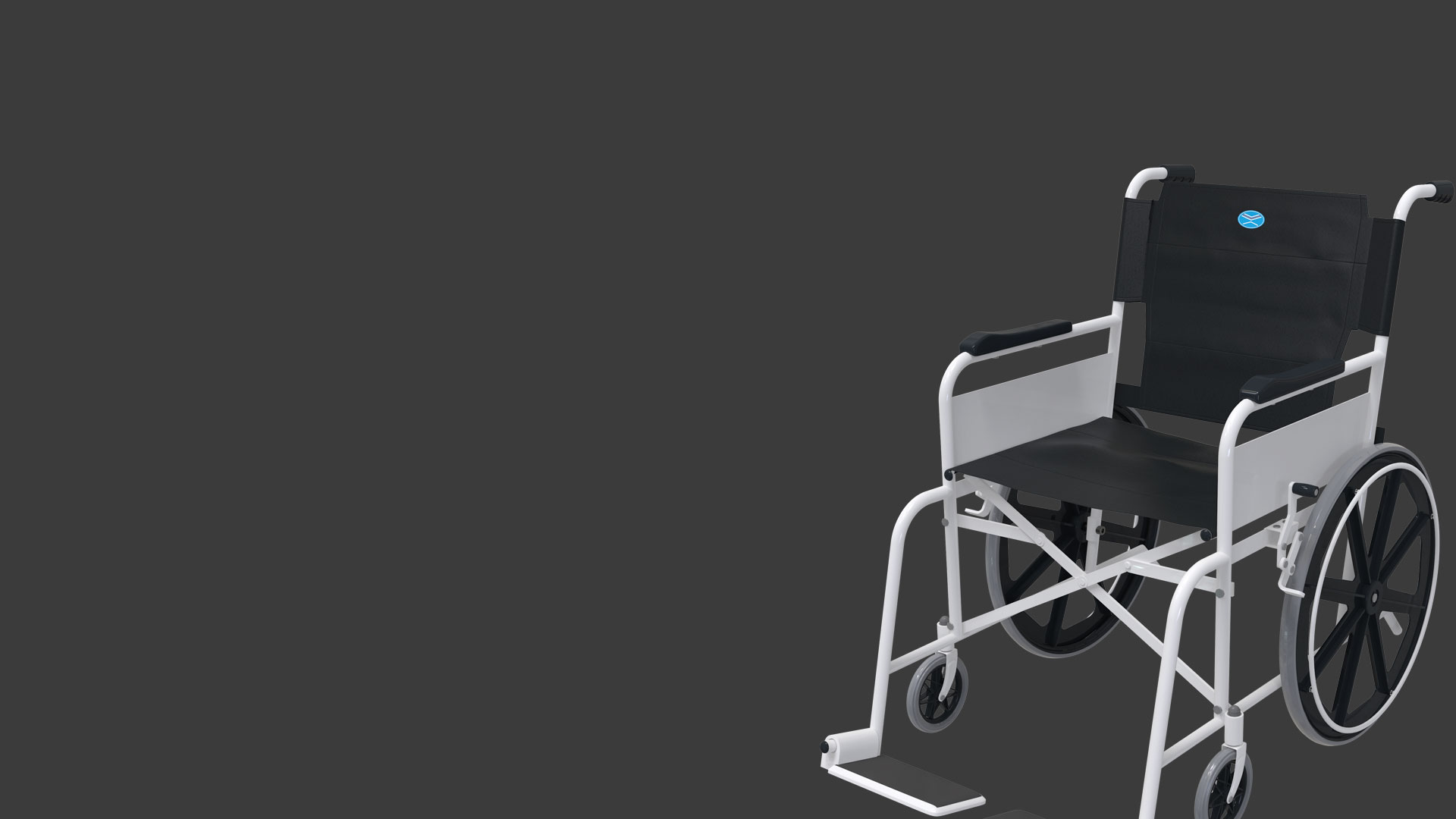
Grade 304 Stainless Steel OT Trolleys & Mayo Stands
Essential operating room support equipment including hydraulic Mayo instrument tables, anesthesia carts, double-bowl basin stands, and multi-shelf surgical prep trolleys built for sterile field endurance.
- Material Standard: 100% AISI Grade 304 non-magnetic stainless steel
- Welding Quality: Robotic TIG welded seamless joints eliminating dirt traps
- Caster Specs: Non-marking, anti-static, liquid-sealed precision ball bearings
- Customization: Modular tray configurations and height adjustment options
2. Technical Evaluation Matrix: Hydraulic vs. Electro-Hydraulic vs. Fully Electric OT Tables
When hospital procurement committees evaluate Operation Theatre Equipment, selecting the appropriate actuation technology is a critical trade-off between clinical capability, capital expenditure (CapEx), and long-term operating costs (OpEx). The matrix below details the key technical parameters across table categories:
| Technical Parameter | Manual Hydraulic OT Tables | Electro-Hydraulic OT Tables (Gita OT-Series) | Fully Electric Actuator OT Tables |
|---|---|---|---|
| Primary Drive Mechanism | Mechanical foot pump & gear linkage | Microprocessor electric pump + hydraulic cylinder valve block | Direct DC linear motor actuators |
| Maximum Weight Capacity | 180 kg – 220 kg | 300 kg – 350 kg (Bariatric Grade) | 220 kg – 250 kg |
| Longitudinal Slide for C-Arm | Manual shift (Limited 150 mm) | Motorized smooth slide (300 mm – 350 mm) | Motorized (200 mm – 250 mm) |
| Positioning Precision | Coarse step adjustments | Continuous micro-step smooth positioning | Stepless digital pulse positioning |
| Power Outage Reliability | 100% Manual (Un-affected) | Dual battery backup + manual foot-pump override | Limited battery backup cycles |
| Maintenance & Fluid Seal Risk | Moderate seal wear over 5 years | Ultra-low (Sealed industrial hydraulic circuit) | Gear wear under extreme load conditions |
| International Compliance | ISO 9001 / Basic CE | ISO 13485, CE, IEC 60601-2-46, IEC 60601-1-2 EMC | IEC 60601-1, CE |
| Ideal Clinical Setting | Emergency wards, rural clinics, basic surgery | Multi-specialty ORs, Hybrid surgical blocks, Trauma centers | Outpatient procedure rooms, day-care surgical suites |
3. Future Procurement Trends in Global Operation Theatre Equipment (2026–2035)
Healthcare procurement strategies are undergoing a paradigm shift driven by digital integration, robotic-assisted surgery, and green hospital initiatives. B2B buyers must future-proof their capital investments by aligning with four macro trends:
Hybrid Operating Room (HOR) Expansion & Modular Standardization
Hospitals are transitioning away from single-purpose operating suites toward modular hybrid ORs capable of switching seamlessly between open vascular surgery, catheter-based interventions, and orthopedic trauma. Future OT tables must feature universal attachment rails, ultra-narrow base columns, and modular radiolucent tabletop extensions that integrate with ceiling-mounted C-Arm robotic arms.
IoT Telemetry & AI-Powered Predictive Maintenance
Unscheduled equipment downtime during surgery poses extreme clinical risk. Next-generation OT equipment integrates embedded IoT telemetry sensors that monitor hydraulic fluid viscosity, motor duty cycles, battery state-of-health (SoH), and structural load strain. Biomedical engineering departments receive real-time maintenance alerts via hospital CMMS software before component failure occurs.
Robotic Surgical Interface & Spatial Footprint Optimization
With the widespread adoption of robotic surgical systems (such as Da Vinci and Hugo RAS), surgical tables must allow synchronized table-motion tracking. Operating tables must communicate via open protocol interfaces with the robotic console, maintaining anatomical clearance and preventing collision between robotic arms and patient side-rails during intraoperative table adjustments.
Sustainable Green Procurement & Decarbonized Manufacturing
Global healthcare networks (including NHS Green and international hospital chains) are mandating environmental product declarations (EPDs). Procurement scoring models heavily weigh manufacturers operating under ISO 14001 and ISO 50001 standards, utilizing recyclable steel, solvent-free electrostatic powder coatings, and zero-lead LED optics drivers.
4. Technical & Industrial Development Trends in Operating Room Technology
From an industrial manufacturing perspective, the engineering of Operation Theatre Equipment is advancing along three distinct technological trajectories:
A. Optical Waveguide & Multispectral Surgical Illumination
Conventional halogen and early-generation LED surgical lights are being superseded by multispectral LED arrays with automated shadow management. Using ceiling-mounted 3D depth cameras, intelligent surgical lights track the position of surgeons' heads and instruments, automatically dimming obstructed LED clusters while boosting unobstructed channels. This maintains a uniform 160,000 Lux spot size without thermal radiation or manual handle adjustments.
B. Advanced Carbon-Fiber & Nanocomposite Tabletop Engineering
The demand for lower radiodensity (aluminum equivalent < 0.8 mm Al) without sacrificing structural rigidity has led to carbon-fiber sandwich core structures. These advanced materials absorb minimal X-ray radiation, drastically reducing patient dose during complex fluoroscopic imaging while maintaining a safe load capacity exceeding 300 kg.
C. Ingress Protection (IPX4) & Hermetically Sealed Drive Housings
Disinfection protocols in post-COVID surgical rooms involve high-pressure chemical spraying and automated UV-C fogging. Next-generation OT equipment incorporates IPX4 water-ingress protection across electrical foot pedals, hand switches, and base covers, sealing internal motors and PCB boards against aggressive liquid spillages.
Require Turnkey Operation Theatre Equipment Solutions for Your Hospital Project?
Gita Mediquip Pvt. Ltd. provides complete OEM manufacturing, custom spatial planning, and bulk procurement packages for multi-specialty surgical blocks worldwide. Connect directly with our clinical engineering team.
Send an Inquiry