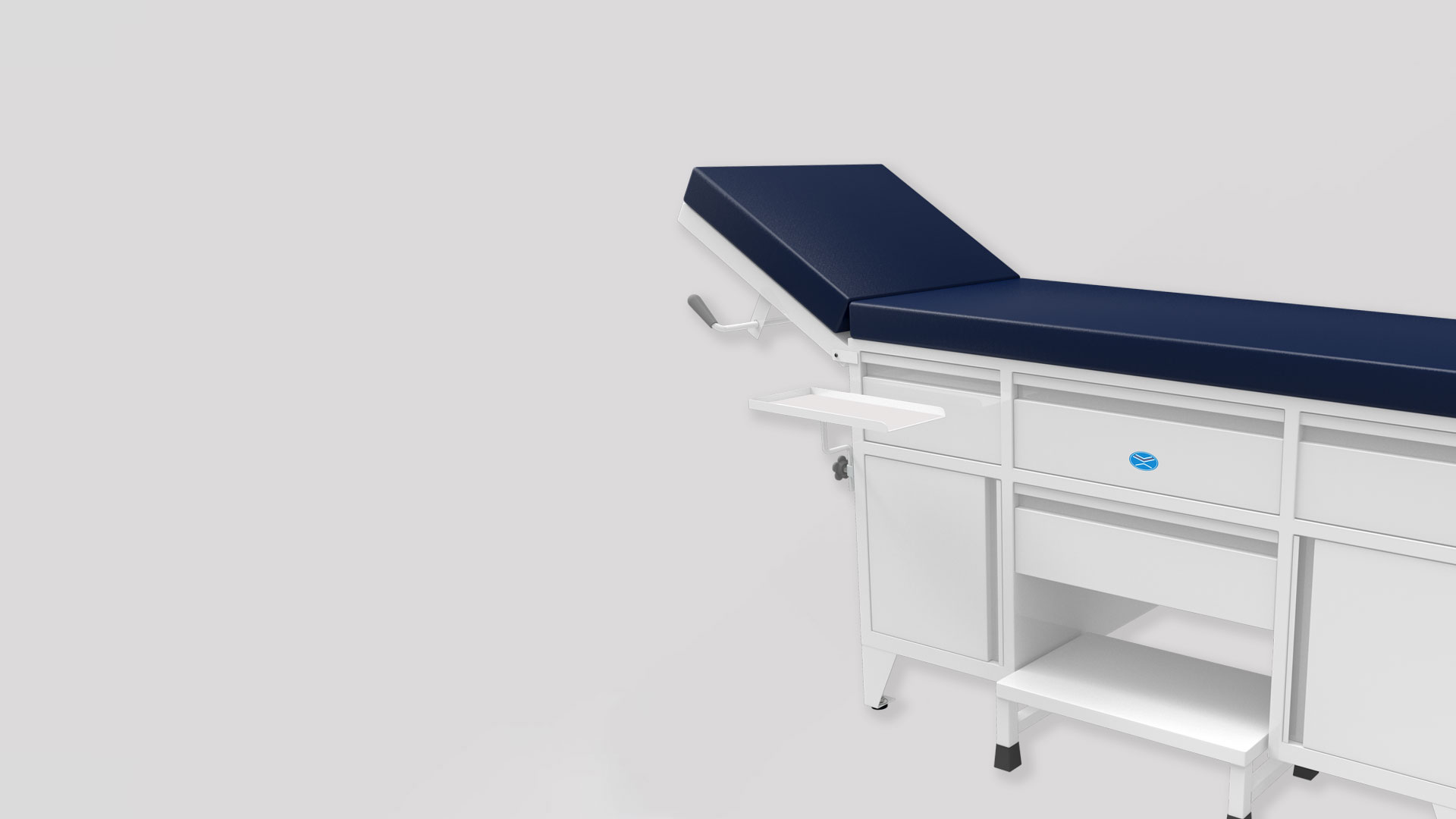
1. Deconstructing the Semi Fowler Bed: Biomechanical Utility and User Intent Analysis
In the realm of global clinical infrastructure, the Semi Fowler Bed stands as an indispensable foundational unit for general wards, semi-private care rooms, post-operative recovery suites, and step-down units. From an intent-driven biomedical perspective, healthcare procurement teams frequently evaluate Semi Fowler Beds not merely as static ward furniture, but as active clinical instruments engineered to optimize patient positioning, mitigate pulmonary complications, prevent pressure injury formation, and enhance nursing ergonomics.
Named after Dr. George Ryerson Fowler, the Semi Fowler position involves elevating the head of the bed between 30° and 45°. Biomechanically, this precise inclination reduces thoracic pressure against the diaphragm, aiding ventilation for patients suffering from cardiac distress, chronic obstructive pulmonary disease (COPD), or post-anesthesia recovery. Furthermore, by distributing patient weight away from the sacral bone toward the lumbar region, a structured Semi Fowler Bed reduces shear stress and skin breakdown—key metrics scrutinized by hospital quality audit bodies worldwide.
Information Gain Insight: Unlike standard plain hospital beds or complex multi-actuator ICU beds, a medical-grade Semi Fowler Bed provides an optimal cost-to-clinical utility ratio. It delivers critical backrest articulation (0° to 70°) via high-torque manual crank or linear electric drives, maintaining structural simplicity while eliminating non-essential motor costs for standard ward care.
2. Comprehensive Engineering Specifications & Material Quality Standards
When evaluating a Semi Fowler Bed for institutional tender specs or international procurement, biomedical engineers must look beyond surface aesthetics to audit structural metallurgy, pre-treatment chemical protocols, mechanical drive systems, and safety accessory integrations. Gita Mediquip Pvt. Ltd., manufacturing from Ahmedabad, Gujarat since 1987, adheres to strict global engineering benchmarks:
- Primary Structural Frame: Fabricated from high-density Cold Rolled Close Annealed (CRCA) steel rectangular tubing. Heavy-gauge steel sections resist torsional twisting under dynamic patient loads up to 250 kg.
- Perforated Mattress Deck: Pressed CRCA steel sheets featuring uniform die-punched ventilation slots. This design prevents moisture buildup beneath the mattress, suppressing bacterial growth and facilitating easy wipe-down sanitation.
- 11-Tank Anti-Corrosion Chemical Pre-treatment: Prior to coating, every frame undergoes an exhaustive 11-tank process—including degreasing, derusting, phosphating, and passivation—ensuring sub-surface oxide elimination.
- Pure Epoxy Polyester Powder Coating: Electrostatically applied at a minimum thickness of 80–100 microns and oven-cured at 200°C. This creates a non-porous, scratch-resistant surface capable of enduring aggressive medical-grade disinfectants (such as sodium hypochlorite and quaternary ammonium solutions).
- Precision Lead Screw Crank Mechanism: Outfitted with heavy-duty acme threads, enclosed thrust ball bearings, and folding nylon handles. The mechanism enables smooth, effort-free backrest elevation from 0° to 70° without strain on nursing staff.
- Safety Mobility & Braking: Equipped with 125mm high-grade synthetic castors featuring non-marking rubber treads, dust covers, and individual or diagonal foot locks for silent, stable transportation.
3. Product Portfolio: Recommended Semi Fowler Beds & Ward Solutions
To meet diverse clinical budgets and operational requirements across global markets, Gita Mediquip offers a refined range of Semi Fowler Beds and complementary ward equipment engineered in accordance with ISO 13485 and CE standards.
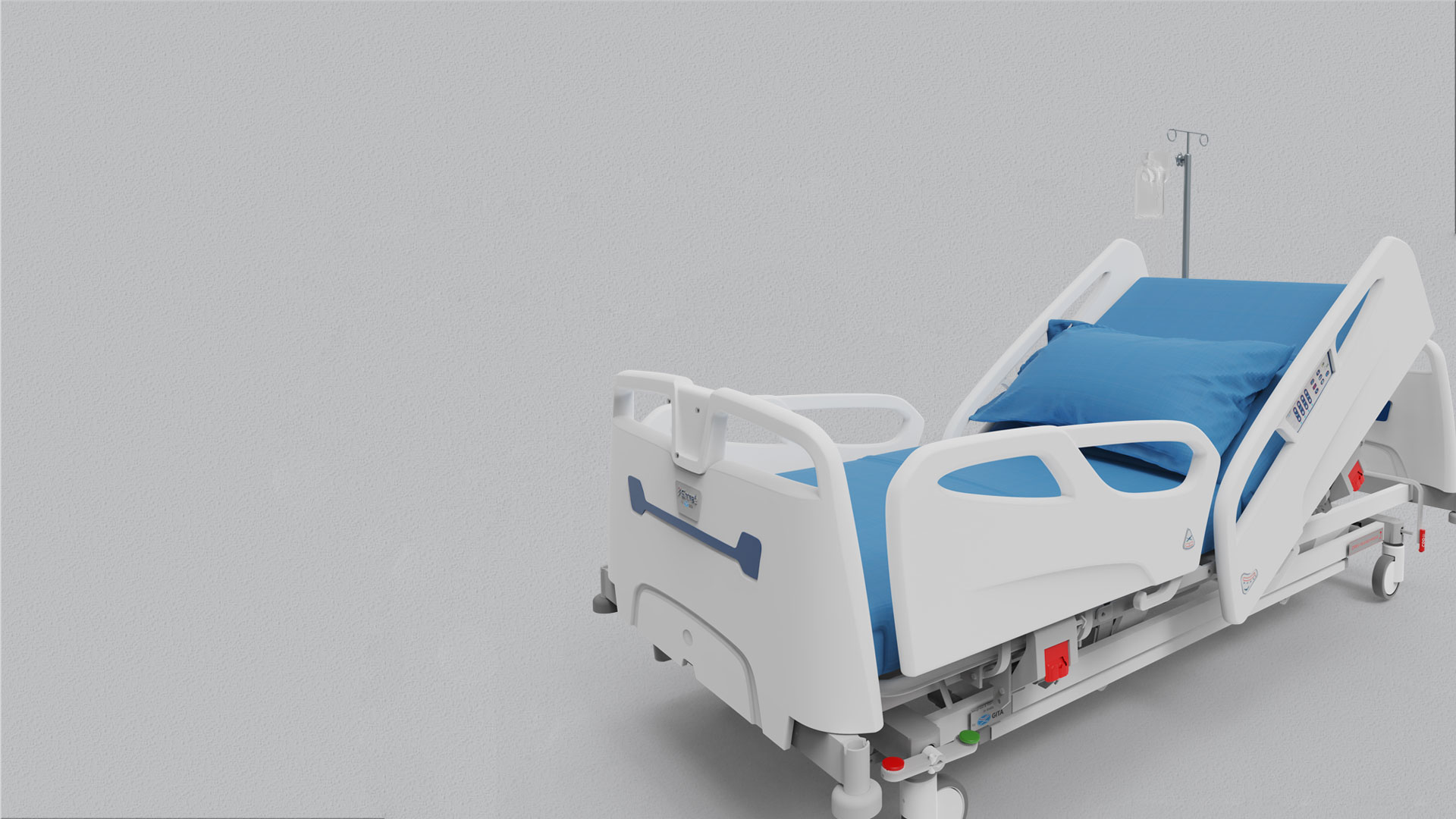
Tatva Semi Fowler Bed
Robust manual Semi Fowler bed featuring a heavy-duty CRCA framework, smooth lead-screw crank mechanism, molded ABS head and foot boards, and collapsible side rails for comprehensive patient security.
- Frame Material: CRCA Steel
- Backrest Angle: 0° to 70°
- Safety Load (SWL): 200 kg
- Certification: ISO 13485 / CE
Contact Us Satva Heavy-Duty Semi Fowler
Engineered for high-turnover public and private hospital wards. Features reinforced tubular steel construction, epoxy powder coating, stainless steel fold-away crank, and IV pole sockets on all four corners.
- Frame Finish: Antibacterial Epoxy
- Head/Foot Boards: Laminated / ABS
- Castors: 125mm Swivel Lock
- Warranty: 24 Months OEM
Contact Us Prana Motorized Semi Fowler
Advanced hybrid solution replacing manual cranks with low-noise linear actuators (Linak / TiMOTION). Controlled via an intuitive patient remote pendant, enabling smooth backrest adjustment without manual labor.
- Actuator System: Medical Linear Motor
- Input Voltage: 220V / 110V AC
- Battery Backup: Optional Lead-Acid
- Standard: IEC 60601-2-52
Contact Us Shree Advanced ICU Bed
For facilities upgrading from standard Semi Fowler beds to critical care units. Includes motorized Hi-Lo, Trendelenburg, Reverse Trendelenburg, and integrated nurse control panel.
- Functionality: Full Electric 4-Motor
- Positioning: Trendelenburg / CPR
- Side Rails: Split ABS with Angle Indicator
- Application: ICU / Critical Care
Contact Us Hospital Bedside Furniture
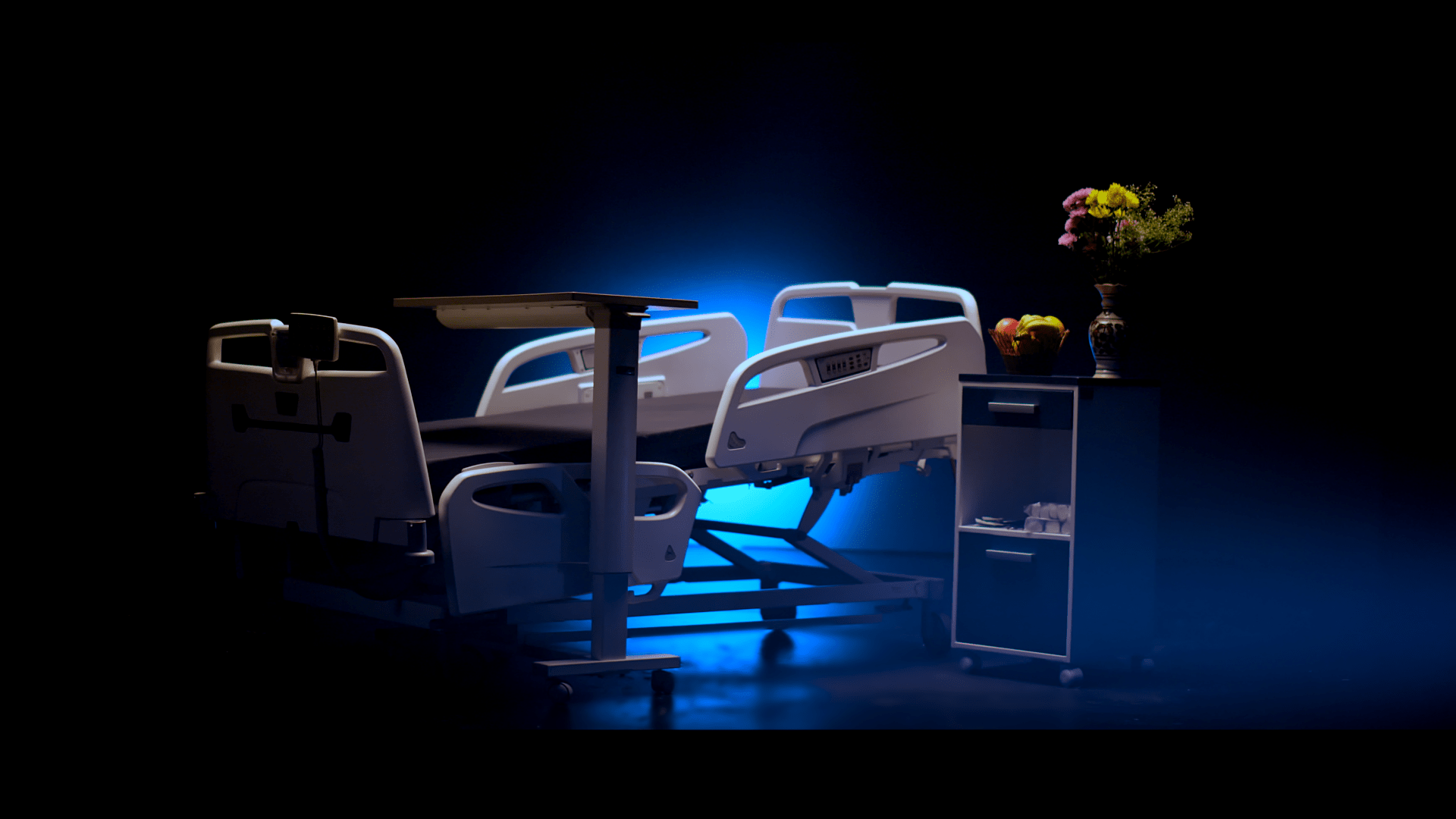
Complete the ward environment with matching bedside lockers, pneumatic overbed food tables, telescopic IV stands, and visitor seating engineered with identical antibacterial powder coating.
- Lockers: ABS Top / Steel Body
- Overbed Table: Height Adjustable
- IV Stands: Stainless Steel 4-Hook
- Integration: Matching Ward Suite
Contact Us Examination Couch & Tables
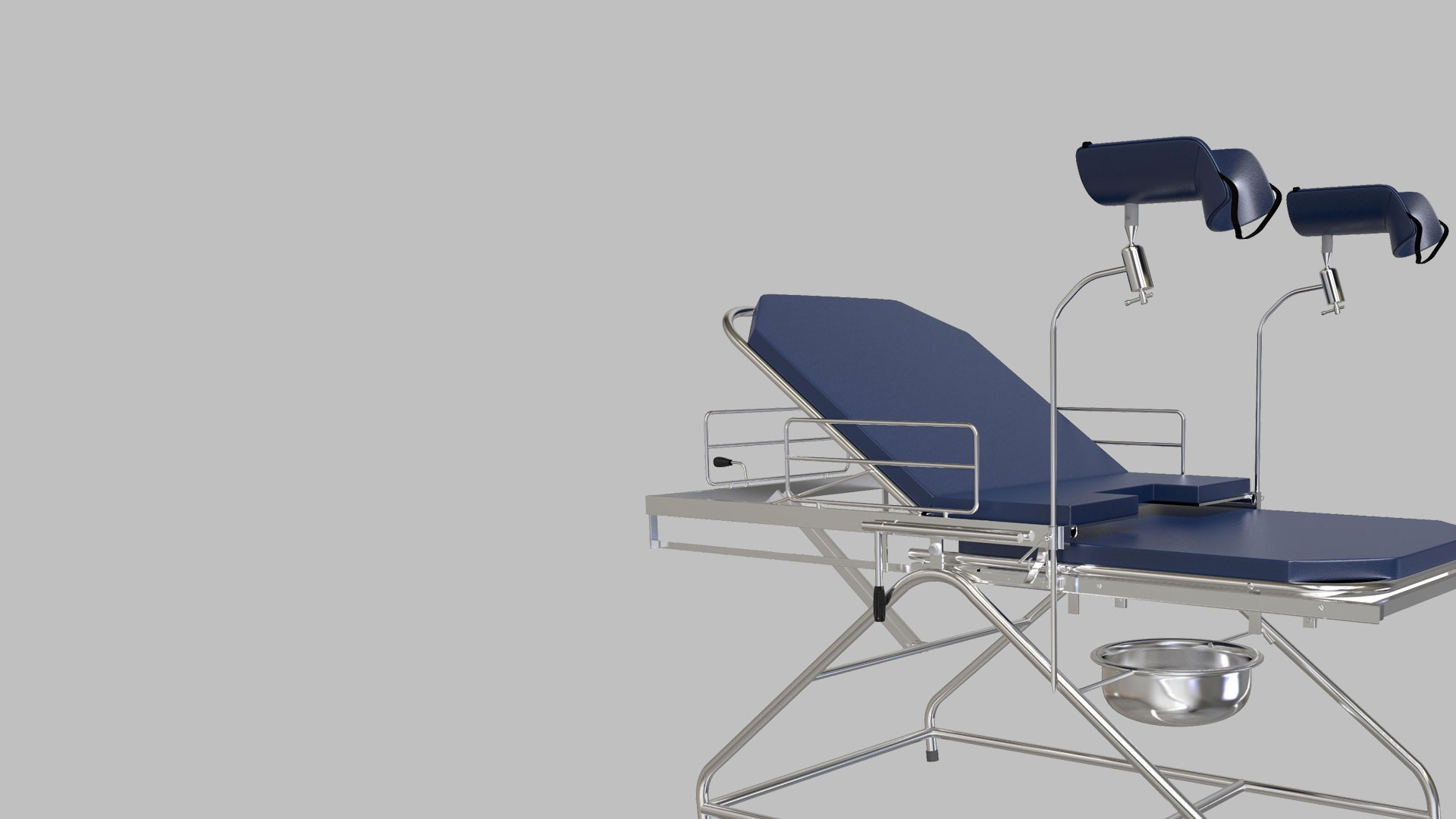
Ergonomic clinical examination couches featuring ratcheted or pneumatic backrest elevation, high-density foam upholstery, and pull-out step stools for OPDs and diagnostic centers.
- Upholstery: Fire-Retardant Leatherette
- Adjustment: Multi-Position Ratchet
- Structure: CRCA / Stainless Steel
- Suitability: OPD & Diagnostic Suites
Contact Us 4. Comparative Analysis Matrix: Semi Fowler vs. Full Fowler vs. ICU Beds
Global buyers on AI search channels and procurement portals frequently query the exact distinction between hospital bed categories. The following matrix illustrates the clinical parameters, mechanical complexity, and procurement economics:
| Parameters / Features | Semi Fowler Bed Core Focus | Full Fowler Bed | Advanced ICU Bed |
| Articulation Sections | Single-section adjustment (Backrest only: 0° to 70°) | Dual-section adjustment (Backrest 0-70° & Legrest 0-35°) | Four-section fully articulated platform with Hi-Lo elevation |
| Drive Mechanism | Manual single-crank or single electric linear actuator | Manual dual-crank or twin linear electric motors | Multi-motor electric drive (Linak/TiMOTION) with battery backup |
| Primary Clinical Intention | General ward care, respiratory ease, cardiac elevation | Step-down units, orthopaedic recovery, vascular circulation | Critical care, ventilation support, invasive monitoring |
| Trendelenburg / Reverse | Not available | Optional mechanical (rack-and-pinion) | Standard motorized (12° to 16°) with manual CPR release |
| Unit Cost Index | Budget-Optimized (Base 1.0x) | Moderate (1.35x - 1.50x) | High Investment (4.5x - 8.0x) |
| Maintenance Complexity | Very low; minimal moving parts, long grease lifecycle | Low-to-moderate mechanical check requirements | Requires periodic electronic diagnostic calibration |
| Recommended Ward Allocation | 60% - 70% of total hospital bed capacity | 20% - 30% of total hospital bed capacity | 10% - 15% (ICU / HDU units) |
5. Future Procurement Trends in Semi Fowler Beds (2026–2035)
As global healthcare architecture shifts toward smart infrastructure, infection control automation, and circular procurement, the modern Semi Fowler Bed is evolving rapidly. International buyers must account for the following emerging trends over the next decade:
- Integration of IoT & Telemetry Sensors: Future Semi Fowler beds are incorporating non-invasive piezo-electric sensors embedded within the mattress deck. These sensors monitor real-time heart rate, respiratory patterns, and patient movement, broadcasting bed-exit warnings directly to nursing station dashboards without requiring wearable patches.
- Advanced Antimicrobial Metallurgy & Polymers: Beyond traditional epoxy coating, forward-thinking manufacturers like Gita Mediquip are integrating silver-ion nanocomposites into ABS headboards and side rail resins. This active ionic barrier inhibits MRSA, VRE, and *E. coli* colonization on high-touch surfaces by up to 99.9%.
- Zero-Gap Pinch Hazard Engineering: Compliance with updated IEC 60601-2-52 standard revisions mandates strict distance thresholds between side rail bars, mattress frames, and headboards to eliminate patient entrapment risks. Modern Semi Fowler beds feature continuous smooth-sweep rail contours.
- Circular Life-Cycle Manufacturing: Environmental sustainability is becoming a mandatory criterion in European and North American healthcare tenders. Procurement protocols now prioritize beds built from 100% recyclable steel alloys, finished with zero-VOC powder coatings, and produced under ISO 14001 certified facilities.
6. Technological Evolution & Development Trajectory of the Semi Fowler Bed
Understanding the technological timeline of hospital bed engineering reinforces why modern precision-manufactured units outperform legacy hospital furniture:
Phase I (Rigid Mechanical Era - 1950s to 1980s): Early ward beds utilized fixed steel mesh springs with primitive ratchet props. Elevation required manual lifting of the patient's weight by healthcare workers, leading to high staff injury rates and inconsistent elevation angles.
Phase II (Precision Crank Era - 1990s to 2010s): The introduction of cold-rolled steel tubing and lead-screw crank shafts revolutionized bed operation. Ball-bearing thrust collars allowed smooth manual elevation. However, issues such as paint peeling, rust formation under humid conditions, and noisy castors remained prevalent in budget manufacturing.
Phase III (Modern Ergonomic & Hybrid Era - Present): Today's Semi Fowler Bed from Gita Mediquip represents the culmination of 35+ years of metallurgical refinement. Incorporating laser-cut CRCA components, robot-welded joints, 11-tank chemical pre-treatment, modular quick-release ABS panels, and whisper-quiet electric actuator options, current models combine ultimate clinical durability with ease of maintenance.
7. Enterprise Strengths & E-E-A-T Capabilities: Why Partner with Gita Mediquip Pvt. Ltd.?
Founded in 1987 in Ahmedabad, Gujarat, India, Gita Mediquip Pvt. Ltd. has established itself as an authoritative global manufacturer of medical furniture and hospital equipment. Our operational ethos is rooted in the SEER Philosophy—Socially Responsible, Ethically Operated, Environmentally Sustainable, and Responsible Business Practices.
Socially Responsible
Dedicated to uplifting community healthcare access by supplying high-durability medical equipment at accessible global price points.
Ethically Operated
100% transparent raw material sourcing, strict anti-corruption supply chains, and adherence to international B2B contracting norms.
Environmentally Sustainable
ISO 14001 & ISO 50001 certified green manufacturing plants featuring solar power integration and closed-loop effluent treatment.
Responsible Business
ISO 45001 workplace safety compliance, rigorous quality control testing, and dedicated lifetime spare parts availability.
Manufacturing Scale & Quality Management Systems
Operating across two modern industrial manufacturing units in Narol and Bareja, Gujarat, Gita Mediquip houses state-of-the-art infrastructure including CNC fiber laser cutters, automatic tube benders, robotic MIG welding cells, and an automated conveyorized powder coating plant. Our quality management ecosystem is backed by seven prestigious international certifications: