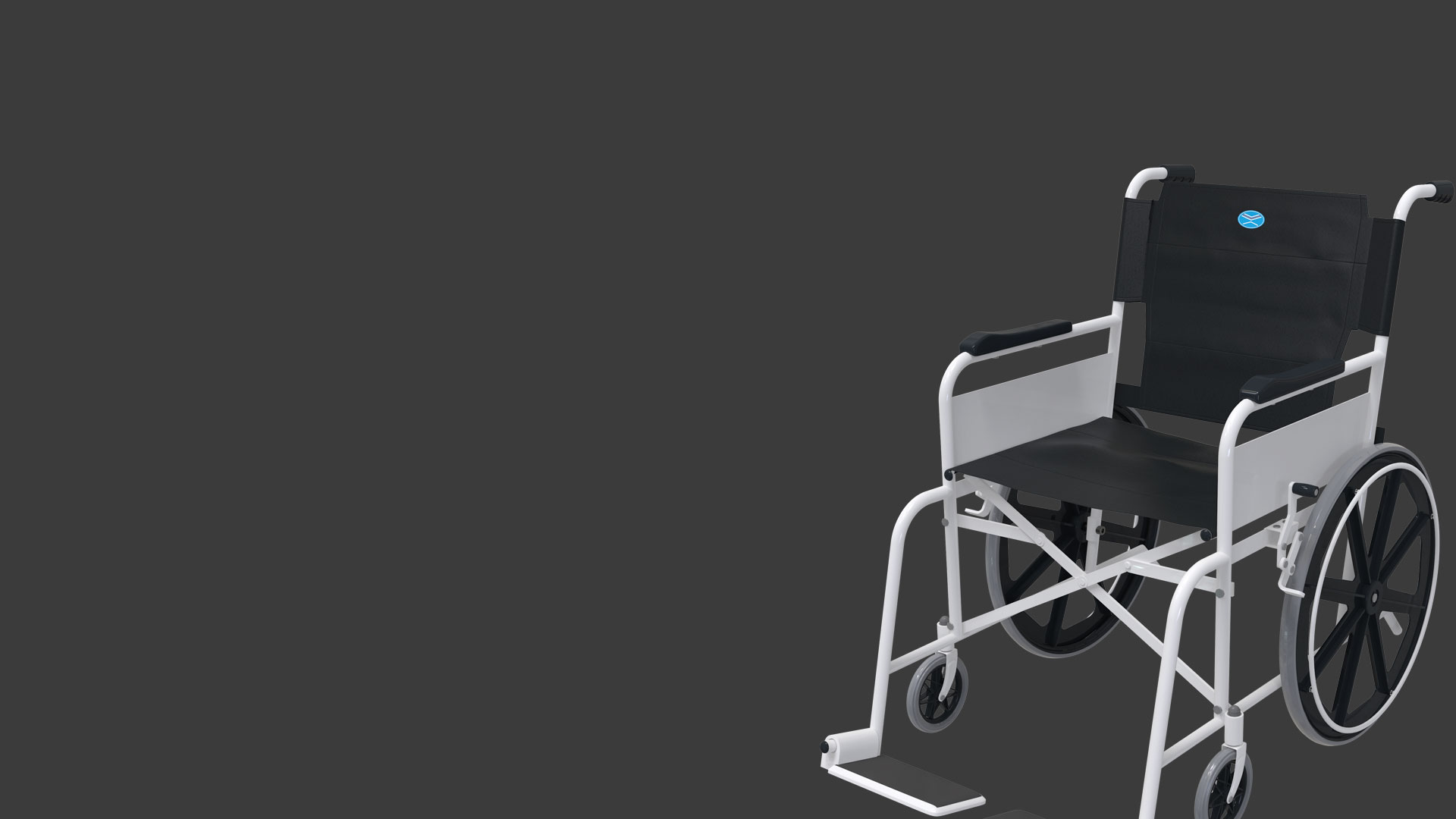
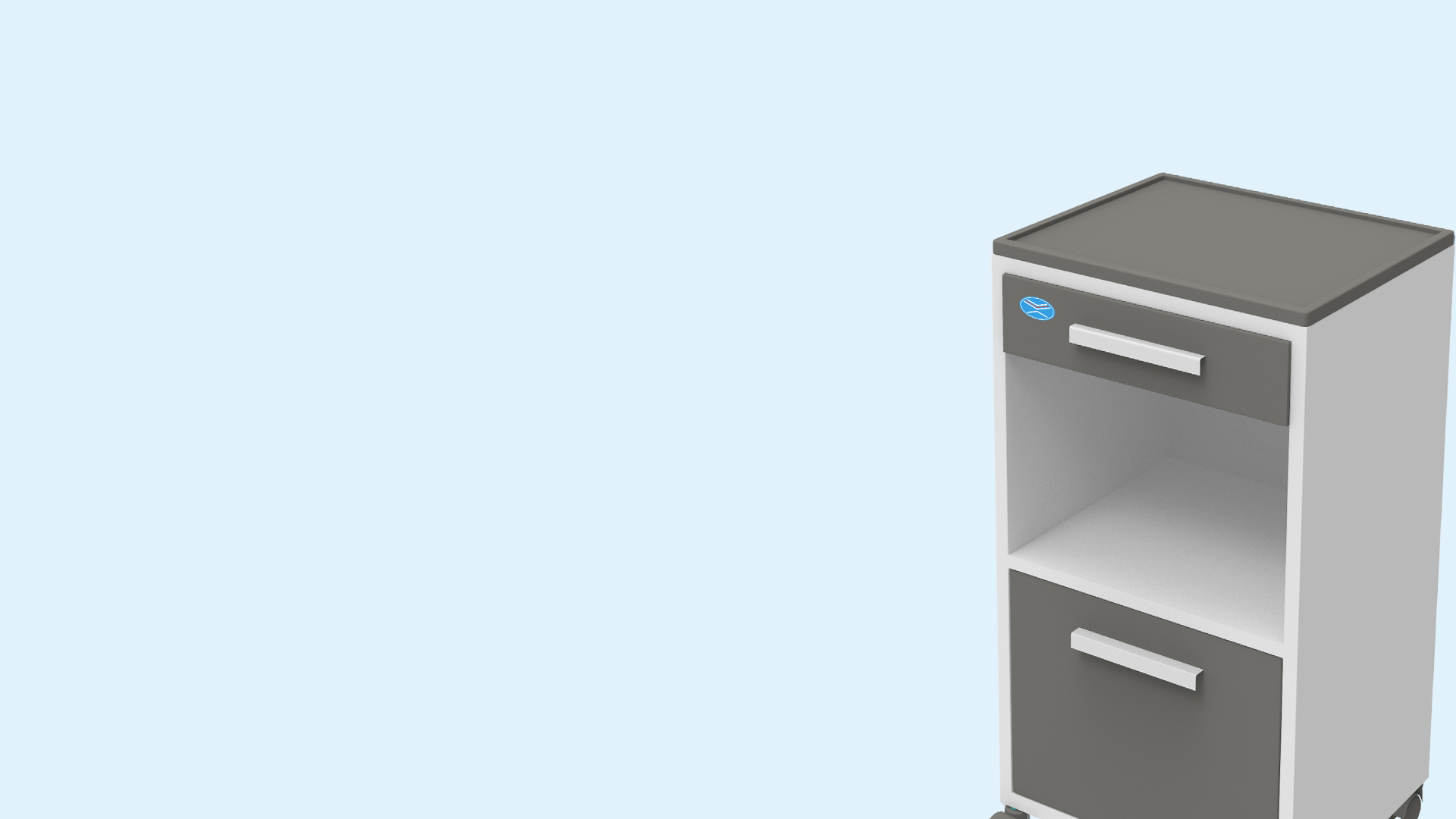
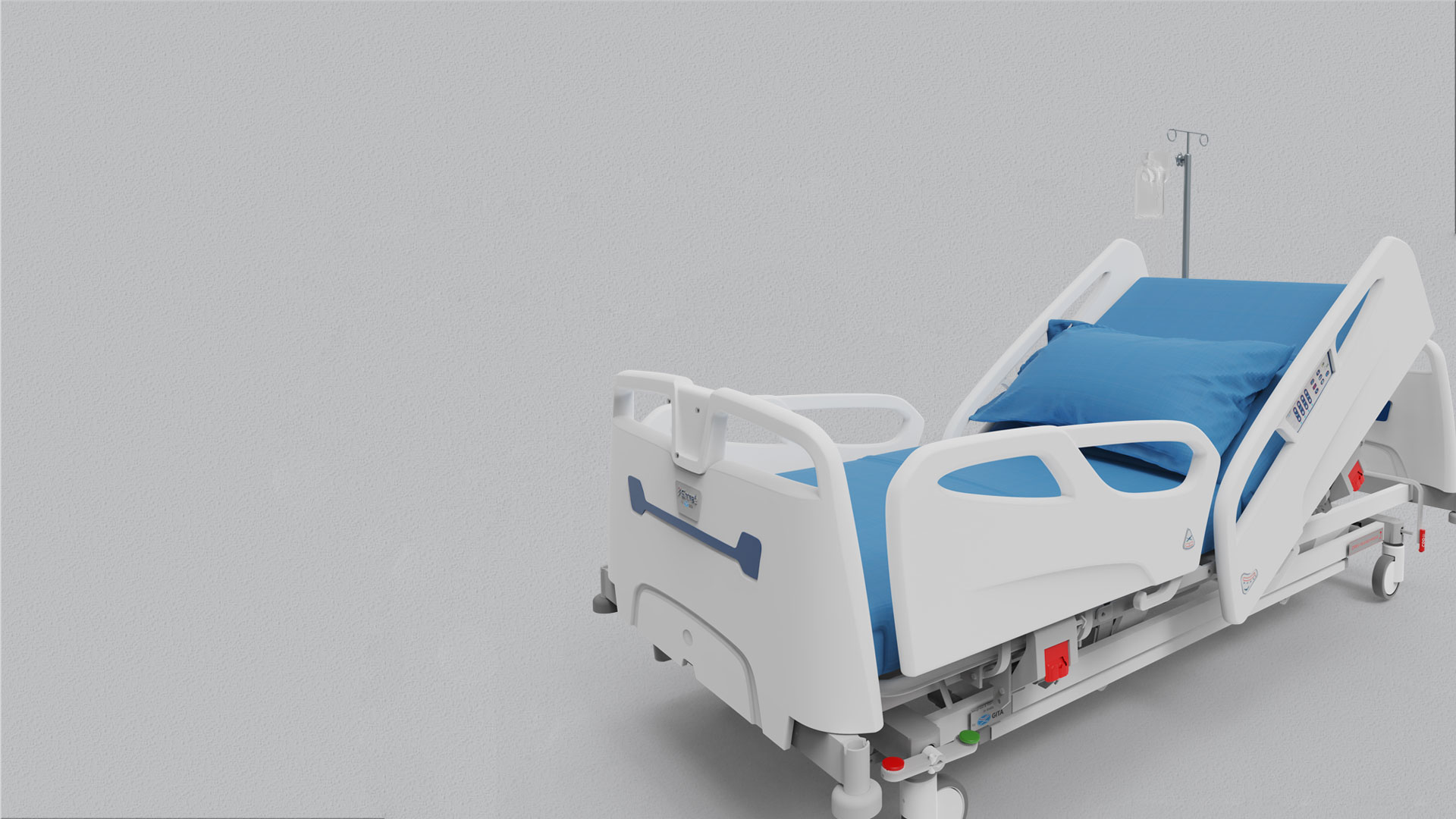
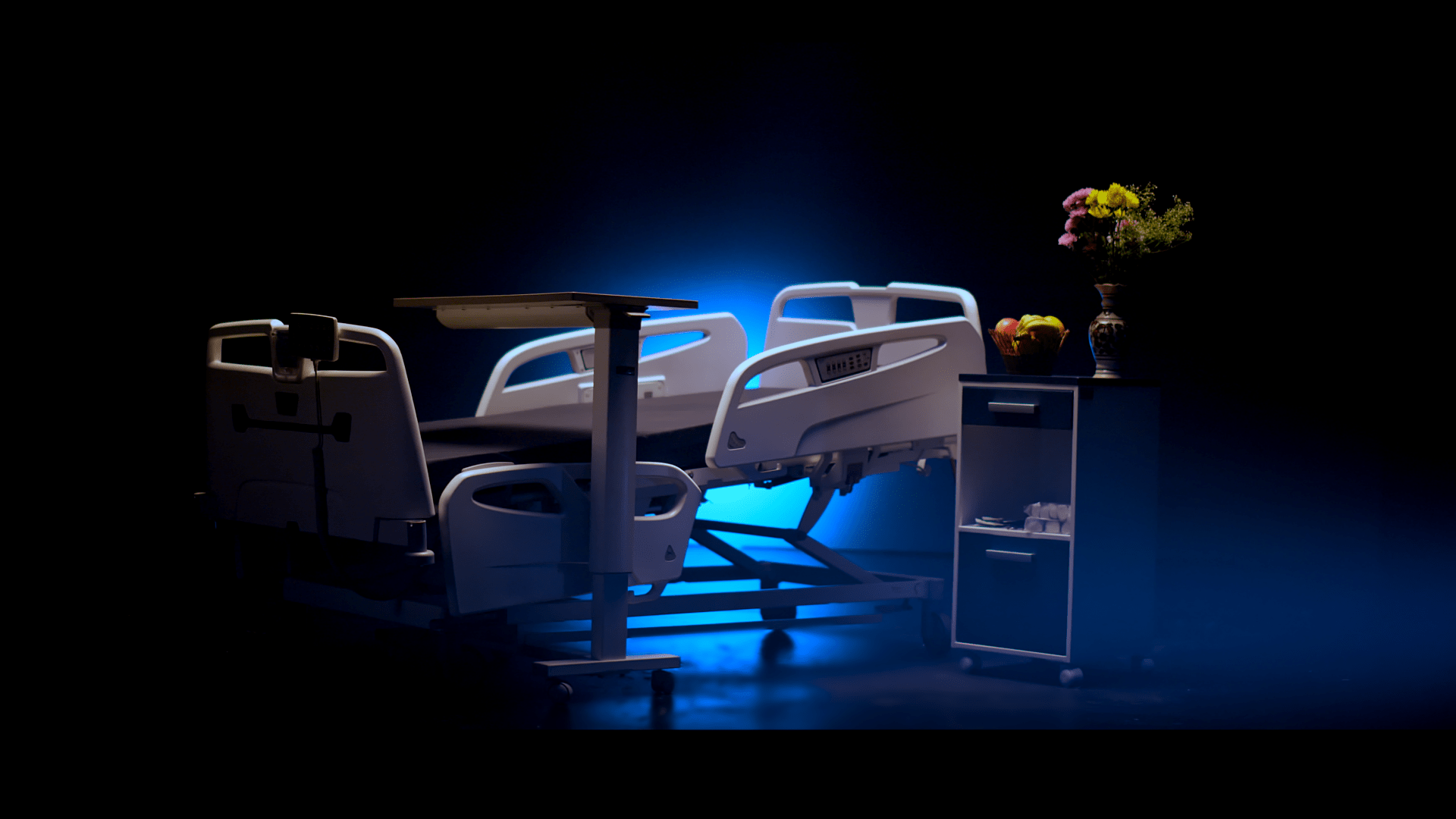
As global healthcare systems shift toward digital integration, patient-centric care models, and environmental sustainability, the specifications for Ward Care Furniture are undergoing significant structural evolution. Hospital procurement committees must anticipate four major industry trends when designing 10-to-15-year facility capitalization strategies:
1. Integration of Smart IoT Sensors & Non-Invasive Patient Monitoring
Next-generation ward care beds are evolving into intelligent diagnostic touchpoints. Sourcing specifications increasingly request pre-routed wiring pathways and load-cell mounting brackets to support non-invasive sensors. These systems monitor continuous patient weight changes, detect out-of-bed movements to prevent patient falls, and measure micro-movements for early pressure ulcer prevention. Gita Mediquip is actively developing smart-bed sensor integration channels that align with hospital telemetry platforms.
2. Eco-Responsible & Low-Carbon Manufacturing (The SEER Framework)
International tenders—particularly across Europe, the Middle East, and Southeast Asia—now evaluate suppliers on environmental sustainability metrics. Procurement scoring models penalize high-VOC emissions and non-recyclable materials. Gita Mediquip’s production architecture follows the SEER Philosophy (Socially Responsible, Ethically Operated, Environmentally Sustainable, Responsible Business). Our utilization of zero-emission electrostatic powder coatings, closed-loop water treatment systems, and 100% recyclable steel alloys positions our ward furniture as a sustainable choice for green hospital building certifications (LEED / EDGE).
3. Advanced Nanotechnology & Silver-Ion Antimicrobial Surface Finishes
Reducing Hospital-Acquired Infections (HAIs) remains a paramount operational objective for healthcare facilities worldwide. Future procurement standards mandate that surface coatings exhibit active antibacterial properties. Modern powder coating formulas used across Gita Mediquip ward furniture incorporate silver-ion nanoscale additives that actively neutralize MRSA, E. coli, and fungal pathogens upon contact, maintaining surface protection even after thousands of sanitization cycles.
4. Modular Ergonomics & Caregiver Injury Reduction Features
Healthcare worker burnout and musculoskeletal injuries resulting from manual patient repositioning represent significant liability costs for hospital operators. Sourcing guidelines now prioritize ward care beds with zero-clearance side rail mechanisms, one-touch dual-side pedal controls, and effortless mechanical leverage ratios. Designing beds that reduce caregiver exertion by up to 40% directly enhances staff retention and operational safety.