
Expert articles, hospital procurement standards, and medical device innovations from Gita Mediquip.
Comprehensive guides on NABH accreditation, ICU ergonomics, and patient safety requirements.
Insights and technology updates from India's trusted hospital furniture manufacturer since 1987.
Choosing the right hospital furniture affects patient safety, staff efficiency, and long-term operating costs. This guide examines the Top 10 Hospital Furniture Manufacturers Worldwide through practical and evidence-based criteria. We consider product quality, ergonomic design, infection-control features, manufacturing experience, and after-sales support.
Small details matter. A smooth bedrail, sealed mattress edge, or quiet caster can change daily care. We also examine whether manufacturers provide clear specifications, dependable warranties, and documented quality systems. These factors help hospitals compare suppliers beyond attractive catalogs or impressive claims. A reliable Hospital Furniture Manufacturer should understand clinical workflows, not merely produce metal frames and adjustable beds.
The selection considers international reach, product range, customization ability, and feedback from healthcare environments. Examination tables, patient beds, bedside cabinets, medical trolleys, and seating systems each require different performance standards. Materials must withstand repeated cleaning, frequent movement, and heavy use. Evidence matters.
Still, no ranking is perfectly permanent. Regional service, import conditions, budget limits, and changing healthcare needs can influence the final choice. Some manufacturers may excel in critical-care beds, while others offer stronger solutions for outpatient rooms or eldercare facilities. Readers should verify certifications, test reports, delivery records, and local technical support before making a purchase. A polished brochure cannot replace hands-on evaluation. That point deserves more attention. This overview offers a practical starting point, but each hospital must reassess its own risks, workflow, and purchasing priorities.
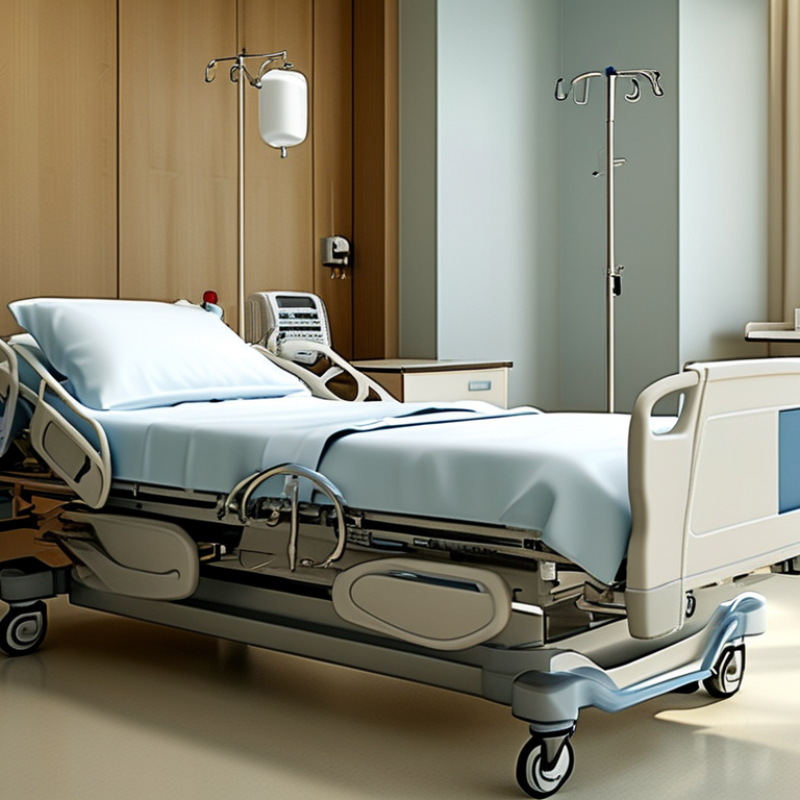
Hospital furniture manufacturers do far more than produce beds, cabinets, and treatment carts. They translate clinical needs into equipment that supports safer daily care. A hospital bed, for example, must adjust smoothly, lock firmly, and allow quick cleaning between patients.
Small details matter. Rounded edges reduce impact injuries, while sealed surfaces limit dirt and moisture buildup.
Manufacturers usually work with nurses, doctors, infection-control teams, and facility managers. Their engineers study patient movement, staff posture, storage access, and room dimensions. They also test load capacity, electrical safety, durability, and emergency functions. Reliable manufacturers document these tests and align products with applicable medical, safety, accessibility, and fire standards. Production quality matters too. Poor welds, weak castors, or unstable drawers can create costly risks during busy shifts.
Furniture also affects hospital efficiency. Mobile workstations can reduce unnecessary walking, while adjustable examination tables support different patients and clinical procedures. Modular cabinets make repairs and upgrades less disruptive.
Yet no design solves every problem. A highly advanced bed may overwhelm staff if controls are unclear. A low-cost cabinet may become expensive after repeated repairs. This is where careful evaluation becomes essential: buyers should compare lifecycle cost, cleaning methods, spare-part access, staff training, and local service capability. Comfort is important, but infection control and dependable operation cannot be treated as afterthoughts.
Evaluating the top 10 hospital furniture manufacturers requires more than comparing catalog prices. A reliable assessment begins with product experience in real clinical settings. Inspectors should examine bedside cabinets, examination tables, and treatment carts during daily use. Do drawers open smoothly with gloved hands? Do casters remain stable on uneven flooring? Small details often reveal manufacturing discipline.
Safety and durability deserve measurable attention. Evaluators can review load-test records, weld quality, surface resistance, and cleaning instructions. Materials should tolerate repeated disinfection without cracking, rusting, or losing their finish. Clear technical files, traceable components, and accessible maintenance guidance also strengthen professional credibility. Independent certifications may support trust, but certificates should match the actual product model.
Service performance separates capable manufacturers from merely attractive suppliers. Review installation training, spare-part availability, response times, and warranty conditions. Feedback from nurses, biomedical engineers, purchasing teams, and infection-control staff provides valuable evidence.
Yet rankings remain imperfect. A strong product in one hospital may suit another facility poorly. Local climate, room size, workflow, and budget can change the result. I would score each manufacturer across safety, usability, hygiene, lifecycle cost, and service, then record the evidence behind every score. Numbers help. Direct observation matters more.
Top 10 Hospital Furniture Manufacturers Worldwide
The top ten hospital furniture manufacturers worldwide are judged by more than production volume. Strong suppliers combine clinical experience, engineering discipline, and dependable after-sales support. Their portfolios often include electric beds, examination tables, bedside cabinets, treatment carts, visitor chairs, and stainless-steel storage units.
Experienced buyers examine frame strength, mattress-platform movement, braking systems, and cleanability. A reliable bed should move smoothly, remain stable, and tolerate repeated daily use. Rounded edges reduce cleaning difficulties. Sealed surfaces help limit moisture retention. Small design choices matter.
Manufacturers serving international hospitals usually provide documented material specifications, load-test results, maintenance instructions, and traceable replacement parts. They may also adapt dimensions, power systems, and finishes for different facilities. Clinical engineers and infection-prevention teams should review these details before purchase. Marketing claims are not enough.
No ranking is perfect. A manufacturer may produce excellent beds but weak mobile workstations. Another may offer flexible customization yet struggle with delivery consistency. That weakness deserves attention. Buyers should compare warranty terms, technician training, spare-part availability, and user feedback from comparable hospitals. Site trials can reveal problems that brochures miss. Even a quiet wheel can become noisy after months of heavy use. Reliable manufacturers listen to nurses, cleaners, patients, and procurement teams, then improve designs through measurable testing.
| Rank | Anonymous Manufacturer Profile | Primary Manufacturing Region | Core Product Categories | Main Healthcare Settings | Common Compliance Documentation | Customization Capability | Typical Distribution Reach |
|---|---|---|---|---|---|---|---|
| 1 | Manufacturer Profile A | Western Europe | Hospital beds, bedside cabinets, patient stretchers, examination furniture | Acute care, intensive care, emergency departments, private hospitals | ISO 9001 quality systems; medical-device technical files where applicable; electrical safety documentation | High; configuration, finishes, accessories and department-specific layouts | Global distributor and project-sales network |
| 2 | Manufacturer Profile B | North America | Electric beds, procedure chairs, operating tables, medical carts | Hospitals, ambulatory surgery centers, rehabilitation facilities | ISO 13485 or equivalent quality controls; electrical and performance testing records | Medium to high; accessory packages and clinical workflow options | North American base with international export coverage |
| 3 | Manufacturer Profile C | East Asia | Manual and electric hospital beds, overbed tables, examination couches | General hospitals, long-term care, home-care programs | ISO 9001; product safety testing; market-specific registration documentation | High for large-volume projects and private-label specifications | Asia-Pacific, Middle East, Africa and selected European markets |
| 4 | Manufacturer Profile D | Northern Europe | Patient beds, bariatric beds, nursing-home furniture, transfer equipment | Elder care, rehabilitation, hospitals and community care | ISO-based quality management; load testing; ergonomics and safety assessments | Medium; emphasis on modular accessories and user safety | Europe-focused with selected overseas distributors |
| 5 | Manufacturer Profile E | Central Europe | Operating-room tables, surgical lights, procedure chairs, stainless-steel furniture | Operating rooms, outpatient surgery, diagnostic departments | ISO 13485 or equivalent; sterilization compatibility; electrical safety testing | Medium to high; specialized operating-room configurations | Worldwide through specialist medical-equipment dealers |
| 6 | Manufacturer Profile F | South Asia | Hospital beds, stainless-steel furniture, wheelchairs, examination tables | Public hospitals, clinics, rural healthcare and emergency projects | ISO 9001; material specifications; product inspection and load-test reports | High for institutional tenders and cost-sensitive projects | Strong regional presence with export capability |
| 7 | Manufacturer Profile G | Southern Europe | Patient room furniture, bedside units, visitor seating, treatment couches | Hospitals, clinics, maternity units and rehabilitation centers | ISO 9001; fire-retardancy and cleanability specifications; product warranties | High; color, dimensions, upholstery and room-package options | European and Mediterranean markets with project exports |
| 8 | Manufacturer Profile H | Middle East | Hospital beds, medical cabinets, emergency trolleys, waiting-room furniture | Government hospitals, private hospitals and specialty clinics | ISO 9001; tender compliance documents; safety and material declarations | Medium; project-based finishes and equipment combinations | Middle East, North Africa and selected Asian markets |
| 9 | Manufacturer Profile I | Latin America | Manual beds, bedside tables, clinic furniture, patient transfer products | Public healthcare, private clinics, nursing and rehabilitation facilities | ISO 9001 or local equivalent; material and durability testing | Medium to high; local project requirements and volume orders | Latin American markets with selected international shipments |
| 10 | Manufacturer Profile J | Southeast Asia | Electric beds, medical carts, examination furniture, ward accessories | General hospitals, diagnostic centers, outpatient care and home care | ISO 9001; electrical and mechanical safety reports; export documentation | High for OEM specifications and regional procurement programs | Asia-Pacific with growing export distribution |
| Note: The profiles are anonymized and organized by global product breadth, healthcare-market coverage, manufacturing capability and documented quality practices. Certification and regulatory requirements vary by product type and destination market. | |||||||
Hospital furniture is becoming more clinical, connected, and measurable. The global hospital beds market was valued at about USD 3.9 billion in 2023, according to Grand View Research. Demand is shifting from basic frames toward electric beds, pressure-redistribution surfaces, and modular treatment chairs.
Electric beds now commonly include height adjustment, backrest positioning, side-rail alarms, and integrated scales. Some models connect with nurse-call systems through digital interfaces. These technologies can reduce lifting strain and support fall prevention. However, connectivity creates new maintenance and cybersecurity responsibilities. A silent sensor failure can be worse than having no sensor.
Pressure injury prevention remains a practical priority. The International Pressure Injury Guideline recommends regular repositioning and risk assessment, while advanced foam and air-cell mattresses distribute body weight more evenly. Antimicrobial upholstery, sealed seams, and removable panels also support faster cleaning. AAMI ST108 emphasizes controlled water quality for healthcare cleaning processes, which affects furniture durability and infection-control routines.
Safety standards shape product design. IEC 60601-2-52 addresses medical bed safety, including entrapment risks and mechanical performance. ISO 14971 encourages manufacturers to identify hazards across the product life cycle. In real wards, the smallest details matter: rounded corners, readable controls, quiet casters, and brakes that work on uneven floors. Yet, many procurement teams still focus on purchase price. That choice can overlook repair time, staff fatigue, and replacement waste.
Top 10 Hospital Furniture Manufacturers Worldwide? How Hospitals Choose the Right Furniture Manufacturer
A hospital should not choose furniture by ranking alone. Procurement teams need evidence, testing records, and service capacity. The WHO and UNICEF Joint Monitoring Programme reported that one in five healthcare facilities lacked basic water services in 2022. Furniture must therefore support cleaning, hygiene, and workflow. Smooth surfaces, sealed joints, corrosion-resistant materials, and removable cushions matter in busy wards. A bed frame that traps fluid under a hinge can create daily maintenance problems.
Safety and durability deserve equal attention. The World Health Organization estimates that one in ten patients experiences harm in healthcare, with more than half considered preventable. Furniture cannot solve every safety risk, but stable chairs, adjustable beds, secure casters, and clear load ratings can reduce avoidable hazards. Buyers should request independent test reports, fire-performance documents, electrical certifications, and chemical-resistance results. Do not trust brochures alone.
Total cost matters more than the purchase price. Ask about spare parts, technician response times, warranty exclusions, delivery schedules, and local installation support. A cheaper examination table may become costly when its actuator fails after two years. The International Facility Management Association also emphasizes lifecycle planning for healthcare assets, not only initial procurement. That lesson is easy to ignore. Hospital teams should inspect sample units under real conditions, including disinfectant use and repeated movement. No checklist is perfect. A manufacturer’s willingness to explain limitations may reveal more than a polished sales presentation.
Hospital furniture procurement priorities ranked by normalized evaluation weight
Hospitals typically assess suppliers across infection-control performance, patient safety, regulatory compliance, durability, ergonomics, total cost of ownership, after-sales service, delivery capability, sustainability, and customization. The percentages shown are a transparent normalized procurement model rather than company market-share data. The criteria reflect common requirements associated with medical-device quality systems, risk management, safe patient handling, and healthcare-facility procurement.
Reference framework: ISO 13485 quality management principles, ISO 14971 medical-device risk management, IEC 60601-2-52 requirements for medical beds, and common healthcare purchasing practices.
They make beds, cabinets, treatment carts, examination tables, and modular storage units. These products support safer care, easier cleaning, and smoother daily work.
Rounded edges can reduce impact injuries. Sealed surfaces limit moisture and dirt buildup. Strong brakes and quiet casters also matter.
Engineers study patient movement, staff posture, storage access, and room size. They also consult nurses, doctors, and infection-control teams. Real wards reveal problems.
Buyers should compare cleaning methods, repair time, spare-part access, training, and local service. A cheaper cabinet may cost more after repeated repairs. The cheapest option is not always practical.
Many electric beds offer height adjustment, backrest movement, side-rail alerts, and built-in weighing systems. Some connect with nurse-call systems. Useful, but not flawless.
Sealed seams, removable panels, and cleanable upholstery help staff disinfect surfaces faster. Controlled water quality also protects cleaning processes and furniture materials. Cleaning routines still matter most.
Pressure-redistribution mattresses spread body weight more evenly. Foam and air-cell designs can support regular repositioning and risk assessment. No mattress replaces careful observation.
Teams should inspect entrapment risks, load capacity, electrical safety, unstable drawers, and weak casters. Controls must be readable during busy shifts. A silent sensor failure can create hidden danger.
Yes. Connected furniture needs maintenance, staff training, and stronger cybersecurity controls. Complex controls may confuse users. Better technology is not automatically better care.
Hospital furniture manufacturers play a vital role in creating safe, efficient, and comfortable healthcare environments. A reliable Hospital Furniture Manufacturer designs and produces essential items such as hospital beds, examination tables, bedside cabinets, medical carts, seating, storage systems, and treatment furniture. Their work matters because furniture directly affects patient comfort, staff productivity, infection control, accessibility, and overall operational efficiency. Manufacturers are commonly evaluated through product quality, durability, ergonomic design, safety performance, customization options, production capacity, certifications, delivery reliability, and after-sales support.
This overview introduces the top ten hospital furniture manufacturers worldwide by focusing on their industry capabilities rather than brand names. It also examines important technologies, including adjustable mechanisms, antimicrobial surfaces, modular construction, smart monitoring features, and easy-clean materials. Finally, it explains how healthcare facilities can select the right supplier by comparing clinical requirements, budgets, maintenance needs, space limitations, sustainability goals, and long-term service support.