

Expert articles, hospital procurement standards, and medical device innovations from Gita Mediquip.
Comprehensive guides on NABH accreditation, ICU ergonomics, and patient safety requirements.
Insights and technology updates from India's trusted hospital furniture manufacturer since 1987.
What is Ward Care Furniture, and why does it matter in hospitals and care homes? It refers to purpose-built furniture that supports patient care, staff safety, comfort, and daily clinical routines. It is not decorative. These products must withstand frequent use, cleaning, movement, and changing care needs.
Typical examples include bedside lockers, overbed tables, patient chairs, wardrobes, treatment trolleys, and adjustable beds. Each item has a practical role. Small details matter. Rounded edges can reduce injury risks, while lockable castors help staff reposition equipment securely. Moisture-resistant surfaces support easier cleaning and longer service life. Yet appearance still affects dignity and wellbeing. A calm room feels less institutional.
Good furniture should also support efficient work. Staff need clear access around beds, stable surfaces, and storage for essential personal items. Patients need comfortable seating, reachable controls, and furniture that does not create unnecessary obstacles. Care homes may require a warmer, domestic appearance, while hospitals often prioritise flexibility and rapid cleaning. The balance is not always simple.
Reliable selection should involve clinical teams, infection prevention specialists, facilities managers, and users. Their experience can reveal problems missed in a catalogue, such as awkward handles or unstable tables. Manufacturers should provide clear specifications, maintenance guidance, and evidence of suitable testing. No single design fits every ward. Real-world evaluation remains important. A product may look excellent but perform poorly under daily pressure. This guide explores the materials, functions, safety considerations, and selection criteria that define effective Ward Care Furniture for modern healthcare environments.

Ward care furniture refers to the beds, bedside cabinets, overbed tables, chairs, storage units, and clinical seating used in hospital wards and care homes. Its purpose is practical and protective. Each item should support safe transfers, personal care, observation, cleaning, and daily independence. A height-adjustable bed can reduce awkward lifting. A stable chair can help a resident stand with greater confidence.
Good furniture also shapes the care environment. The AHRQ reports that approximately 700,000 to 1,000,000 hospital patients fall each year in the United States. Furniture cannot prevent every fall. However, low bed positions, lockable castors, visible controls, and clear walking routes can reduce avoidable risks. The World Health Organization’s Global Patient Safety Report 2024 states that about one in ten patients experiences harm during healthcare, with more than half considered preventable. These figures make design, maintenance, and staff training equally important.
Tips: Choose wipe-clean surfaces, rounded edges, strong brakes, and accessible controls. Check weight ratings before purchase. Test furniture with real users, including wheelchair users and people with limited grip strength. Do not rely on appearance alone. A stylish cabinet may still have poor clearance. A useful chair may be uncomfortable after twenty minutes. Care teams should record faults quickly and review furniture after incidents. No layout is perfect. Occupancy changes, and real practice often exposes weaknesses that specifications miss.
Ward care furniture includes equipment and furnishings designed to support patient comfort, daily care, clinical work, storage, mobility, privacy, and infection-control routines. The chart shows the number of commonly recognized care functions associated with each furniture category.
Each colored segment represents one commonly recognized function. A value of 1 means the furniture category supports that function as part of normal ward or care-home use; the totals are functional classifications rather than sales or market-share figures.
What Is Ward Care Furniture for Hospitals and Care Homes?
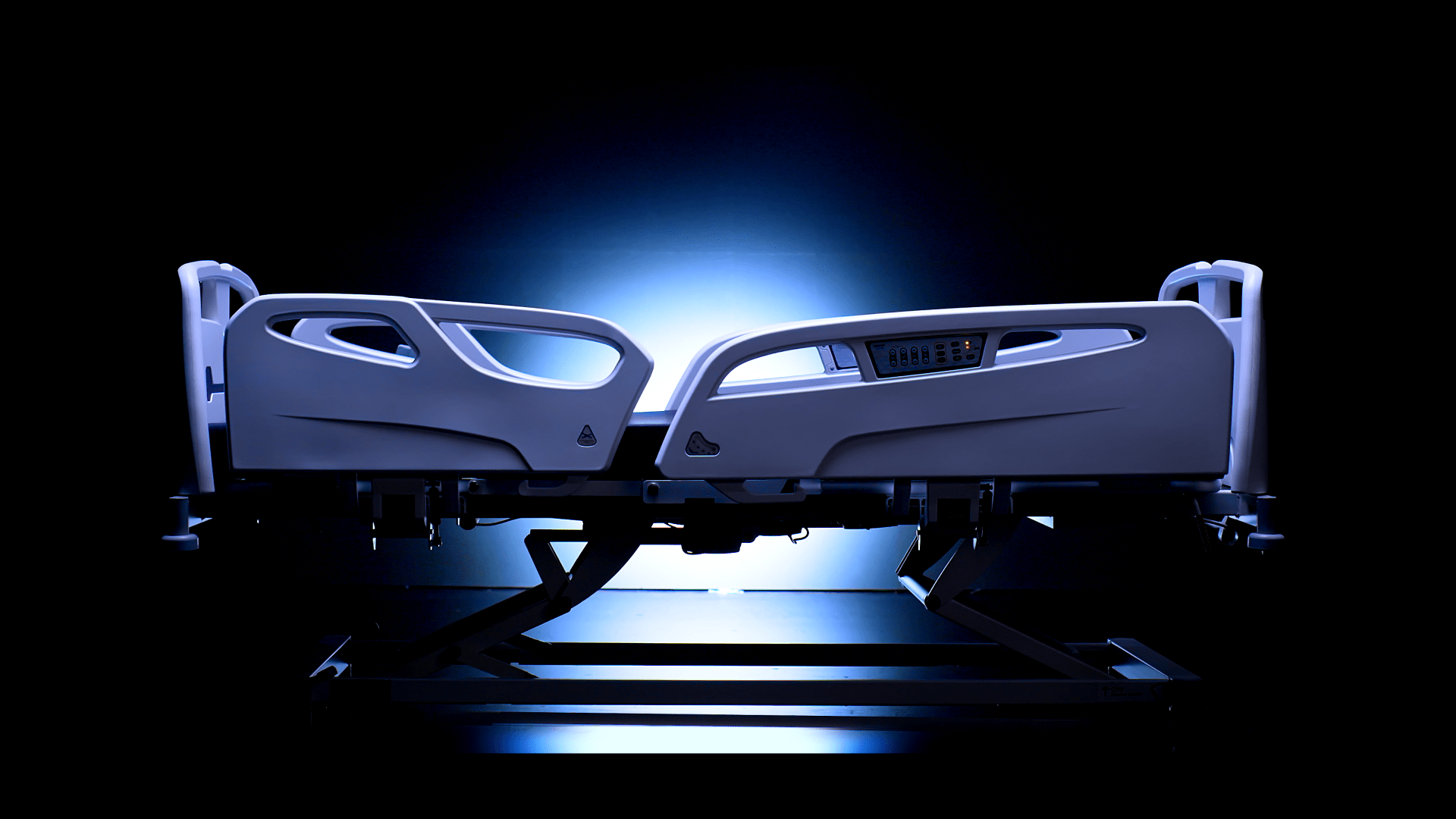
Ward care furniture supports patients, residents, carers, and clinical routines. The main types include adjustable hospital beds, bedside lockers, overbed tables, visitor chairs, and treatment trolleys. Beds may offer height adjustment, side rails, braking systems, and easy-clean surfaces. Bedside lockers keep medicines, water, and personal items within reach. Overbed tables provide a stable surface for meals, reading, or paperwork.
Care homes often need a wider domestic range. This includes wardrobes, dining tables, supportive dining chairs, recliner chairs, and storage units. Some chairs provide arm support and pressure-relieving cushions. Mobility-friendly furniture should allow clear walking routes and enough space for walking aids. Privacy screens and mobile partitions can also help create dignity during personal care. However, furniture must not obstruct emergency access or staff movement.
Tips: Check cleanability, stability, height, weight capacity, and maintenance access before purchasing. Rounded edges can reduce injury risks, while sealed joints make cleaning easier. Ask staff and residents to test furniture in real situations. A chair may look comfortable but become difficult to leave. An adjustable table may seem useful but confuse some users. Good design is not only about appearance. It should support safe transfers, reduce strain, and remain dependable after repeated daily use. Local clinical guidance and manufacturer instructions should always be reviewed before installation.
| Furniture Type | Category | Primary Use | Typical Features | Common Locations | Key Safety and Hygiene Considerations |
|---|---|---|---|---|---|
| Hospital Bed | Patient Accommodation | Supports patients during sleeping, treatment, recovery, and clinical observation. | Adjustable backrest and leg sections, height adjustment, side rails, locking castors, and compatible mattress platforms. | General wards, intensive care areas, rehabilitation units, and private patient rooms. | Use a pressure-redistributing mattress where clinically appropriate; check brakes, rails, electrical controls, and safe working load regularly. |
| Bedside Locker | Patient Storage | Provides accessible storage for personal belongings, medicines managed by staff, and small daily-use items. | Drawers, cupboard compartments, wipe-clean surfaces, rounded edges, and optional over-bed table compatibility. | Hospital wards, care-home bedrooms, and rehabilitation rooms. | Surfaces should tolerate approved cleaning and disinfecting products; drawers should operate smoothly and remain stable when opened. |
| Over-Bed Table | Patient Support | Allows patients to eat, read, write, or use personal devices while in bed or seated nearby. | Height-adjustable frame, tilting or flat tabletop, lockable castors, and easy-to-clean laminate or polymer surface. | Patient bedrooms, wards, recovery rooms, and care-home rooms. | Base design should permit safe positioning around the bed; moving parts and castors should be inspected for secure operation. |
| Patient Chair or Recliner | Seating and Mobility | Provides a safe seated position for patients during rest, meals, visits, and therapy. | Supportive arms, firm seat cushion, high back, wipe-clean upholstery, reclining function, and optional footrest. | Patient rooms, day rooms, treatment areas, lounges, and rehabilitation spaces. | Seat height and armrests should support safe transfers; upholstery should be fluid-resistant and free from tears or exposed filling. |
| Bedside or Visitor Chair | Visitor Seating | Offers seating for visitors and staff without obstructing patient care activities. | Compact footprint, stable frame, supportive back, cleanable upholstery, and non-slip feet or glides. | Patient rooms, waiting areas, consultation rooms, and care-home bedrooms. | Should remain stable on the floor and have surfaces that can be cleaned between users where required. |
| Treatment Couch | Clinical Examination | Supports examinations, minor procedures, dressing changes, and therapy sessions. | Padded wipe-clean platform, adjustable backrest, paper-roll holder, height options, and protective edge design. | Consultation rooms, outpatient departments, therapy rooms, and care-home treatment areas. | Must be cleaned between patients according to local infection-control procedures; weight capacity and transfer access should be clearly assessed. |
| Examination Stool | Clinical Seating | Provides mobile seating for clinicians during examinations and procedures. | Height adjustment, five-point base, smooth-rolling castors, foot ring on selected models, and cleanable upholstery. | Examination rooms, treatment rooms, laboratories, and therapy areas. | Castors and height mechanisms should lock or function correctly; the base should provide adequate stability during clinical work. |
| Medical Trolley | Clinical Storage and Transport | Moves medicines, dressings, instruments, records, or other care supplies between rooms. | Lockable drawers, removable trays, smooth-running castors, push handle, waste compartments, and modular accessories. | Hospital wards, treatment rooms, medication areas, and care-home clinical spaces. | Separate clean and used items where required; lock medication storage, avoid overloading, and disinfect high-touch handles and surfaces. |
| Linen Trolley | Housekeeping and Logistics | Transports clean linen and collects used bedding and textiles. | Covered or enclosed compartments, washable body, directional castors, push handle, and color-coded or separated sections. | Wards, laundry routes, housekeeping areas, and care homes. | Clean and soiled linen should be kept separate; trolley interiors and covers should be cleaned according to infection-control procedures. |
| Patient Wardrobe | Personal Storage | Stores clothing, footwear, and personal possessions in patient or resident rooms. | Hanging rail, shelves, secure compartments, rounded corners, durable finish, and accessible handles. | Hospital bedrooms, care-home bedrooms, and assisted-living rooms. | Furniture should be stable, securely anchored where necessary, resistant to moisture, and designed to reduce snagging and sharp-edge risks. |
| Dining Table and Chairs | Dining and Social Care | Supports meals, group activities, social interaction, and rehabilitation exercises. | Stable table base, rounded edges, suitable clearance for mobility aids, supportive chairs, and cleanable finishes. | Care-home dining rooms, hospital day rooms, rehabilitation areas, and communal lounges. | Tables should allow wheelchair access where needed; chairs should be stable, appropriately sized, and easy to clean after meals. |
| Shower Chair or Shower Commode | Bathroom and Personal Care | Supports bathing, toileting, and personal hygiene for people with limited mobility. | Water-resistant frame, drainage opening, armrests, back support, footrests, locking castors, and height-adjustable options. | Accessible bathrooms, assisted-bathing rooms, care homes, and hospital sanitary areas. | Check user weight capacity, wheel locks, seat integrity, and compatibility with the bathroom layout; clean and dry after use. |
| Patient Transfer Chair | Mobility and Transfers | Assists short-distance movement and transfers for patients who cannot walk safely or continuously. | Brakes, footrests, arm supports, safety belt where appropriate, push handles, and compact turning radius. | Wards, corridors, diagnostic departments, outpatient areas, and care homes. | Staff should follow individual mobility assessments; apply brakes during transfers and inspect wheels, footrests, and frame before use. |
| Privacy Screen | Privacy and Space Management | Creates visual privacy around beds, treatment spaces, and personal-care activities. | Folding panels, washable curtain or screen material, lightweight frame, lockable castors, and easy storage. | Multi-bed wards, treatment rooms, care-home bedrooms, and temporary care areas. | Screen fabrics should be laundered or replaced under local policy; the frame must not obstruct emergency access or evacuation routes. |
| Nurse Station Workstation | Staff Work Area | Supports documentation, observation, communication, and coordination of patient care. | Durable worktop, cable management, lockable storage, ergonomic seating, task lighting, and equipment-access space. | Ward entrances, clinical work areas, care-home staff stations, and observation points. | Keep confidential records secure, maintain clear circulation routes, and use cleanable surfaces at frequently touched points. |
Ward care furniture includes beds, bedside cabinets, overbed tables, patient chairs, and transfer-support seating. Each item should reduce avoidable strain during washing, feeding, repositioning, and transfers. The World Health Organization reports that one in ten patients experiences harm during healthcare, with more than half considered preventable (WHO, Patient Safety Fact Sheet, 2023). Furniture cannot prevent every incident. It can, however, support safer routines.
Height-adjustable beds help staff maintain safer working postures and allow patients to place their feet firmly before standing. Lockable castors, rounded edges, wipe-clean surfaces, and visible braking controls are practical safety details. AHRQ’s Preventing Falls in Hospitals toolkit identifies fall rates of roughly 3–5 per 1,000 bed-days in hospitals.
Clear pathways matter. Chairs need stable arms, supportive seat heights, and enough space for assisted transfers. Overbed tables should move smoothly without forcing patients to lean dangerously.
Comfort also depends on pressure management, posture, noise, and personal control. Cushioned seating may feel pleasant, yet overly soft cushions can make standing difficult for frail residents. Accessibility requires contrast between furniture and flooring, reachable handles, and controls usable with limited grip strength. The WHO estimates that 1.3 billion people live with significant disability worldwide (WHO, Global Report on Health Equity for Persons with Disabilities, 2022). Staff should test furniture with real users, including wheelchair users and people with dementia. Specifications alone are not enough. A poorly positioned table can still obstruct care.
Ward care furniture includes bedside tables, patient chairs, wardrobes, overbed tables, and clinical storage units. Its materials directly affect hygiene work. Healthcare teams usually prefer sealed, non-porous surfaces with minimal joints. High-pressure laminate, coated steel, and medical-grade polymers can resist moisture and repeated cleaning. Exposed wood edges and cracked upholstery create harder cleaning points.
The World Health Organization’s Global Report on Infection Prevention and Control estimates that healthcare-associated infections affect about 7 in 100 patients in high-income acute-care hospitals. The figure may reach 15 in 100 in low- and middle-income settings. WHO also reports that effective infection prevention programmes can reduce these infections by up to 70%. Furniture cannot deliver that reduction alone. Still, a seamless bedside table supports faster, more consistent cleaning.
The European Centre for Disease Prevention and Control reported a 7.1% healthcare-associated infection prevalence in European acute-care hospitals during its 2022–2023 survey. This makes surface design more than an aesthetic issue. Furniture should tolerate approved disinfectants, frequent wiping, and accidental spills without swelling, peeling, or trapping residue. Rounded corners help staff reach dust around bed spaces. Removable cushions need secure, washable covers. Antimicrobial claims deserve caution; they do not replace cleaning. A shiny surface can still carry contamination. Staff feedback should guide procurement, because a cabinet that looks hygienic may have an awkward handle, narrow gap, or damaged seal that cleaners repeatedly miss.
Ward care furniture includes beds, bedside tables, overbed tables, chairs, and storage units for clinical routines. Choosing it requires more than attractive design. A nurse should reach controls without twisting, while a resident should transfer safely from bed to chair.
Measure doorways, room clearances, and turning space before ordering. Measure twice. Small errors become daily obstacles. In my experience, marking furniture positions with floor tape reveals problems that drawings often hide. Staff feedback matters, although it is sometimes overlooked.
Select frames with sealed surfaces and rounded edges. These features support regular cleaning and reduce areas where dust or moisture can collect.
Check weight ratings, castors, brakes, height adjustment, and mattress compatibility against actual use. A quiet castor may matter at night. Adjustable furniture should move steadily, without sudden drops or jerks.
Ask for maintenance instructions, spare-part availability, and documented safety testing. Reliable records support better purchasing decisions and consistent care.
Maintenance works best as a routine, not a crisis response. Clean spills promptly with products approved for the furniture’s materials. Dry joints, handles, and underside areas carefully.
Inspect brakes, fasteners, rails, hinges, and cables during scheduled checks. Do not ignore a loose handle. Remove damaged equipment from service until a competent technician assesses it.
Train staff to report faults clearly, including location, time, and symptoms. No checklist is perfect. A chair can pass inspection and still feel unstable to a resident.
Reassess furniture after room changes, repeated repairs, or user feedback. Good ward furniture supports people quietly, every shift.
It includes beds, bedside cabinets, overbed tables, chairs, wardrobes, and clinical storage units. Each item supports care, movement, cleaning, or independence.
Low bed positions, strong brakes, visible controls, and clear walkways can reduce avoidable hazards. Furniture cannot prevent every fall. Staff observation remains essential.
Choose sealed, non-porous surfaces with few joints. Coated steel, high-pressure laminate, and medical-grade polymers handle frequent cleaning well.
Rounded corners, washable covers, smooth surfaces, and accessible gaps help cleaners reach hidden areas. A shiny surface alone proves little.
Measure doorways, bed clearances, turning spaces, and transfer areas before ordering. Measure twice. Small errors can become daily obstacles.
Check weight ratings, castors, brakes, height adjustment, mattress compatibility, and control access. Test items with wheelchair users and people with limited grip strength.
Clean spills quickly with approved products. Dry handles, joints, and undersides carefully. Inspect brakes, fasteners, rails, hinges, and cables during scheduled checks.
Report the fault with its location, time, and symptoms. Remove the item from service until a competent technician assesses it. Do not ignore loose handles.
Staff notice awkward handles, unstable chairs, and blocked routes during real work. Specifications can miss these details. No checklist catches everything.
Ward Care Furniture refers to the specialized beds, bedside cabinets, seating, tables, storage units, and support equipment designed for hospitals and care homes. Its main purpose is to help patients and residents receive care safely while improving comfort, dignity, mobility, and staff efficiency. Suitable furniture should support different care needs, including rest, treatment, meals, personal activities, and assisted movement. Adjustable beds, accessible chairs, overbed tables, and secure storage are common examples.
Effective Ward Care Furniture should have stable structures, smooth surfaces, rounded edges, easy-to-use adjustments, and features that reduce falls and handling risks. Materials should be durable, moisture-resistant, and simple to clean and disinfect, helping facilities maintain strong hygiene and infection-control practices. When choosing furniture, managers should consider user needs, room space, weight capacity, accessibility, cleaning procedures, and long-term maintenance costs. Regular inspections, prompt repairs, correct cleaning methods, and staff training can extend service life and ensure the furniture remains safe, comfortable, and suitable for daily care.