
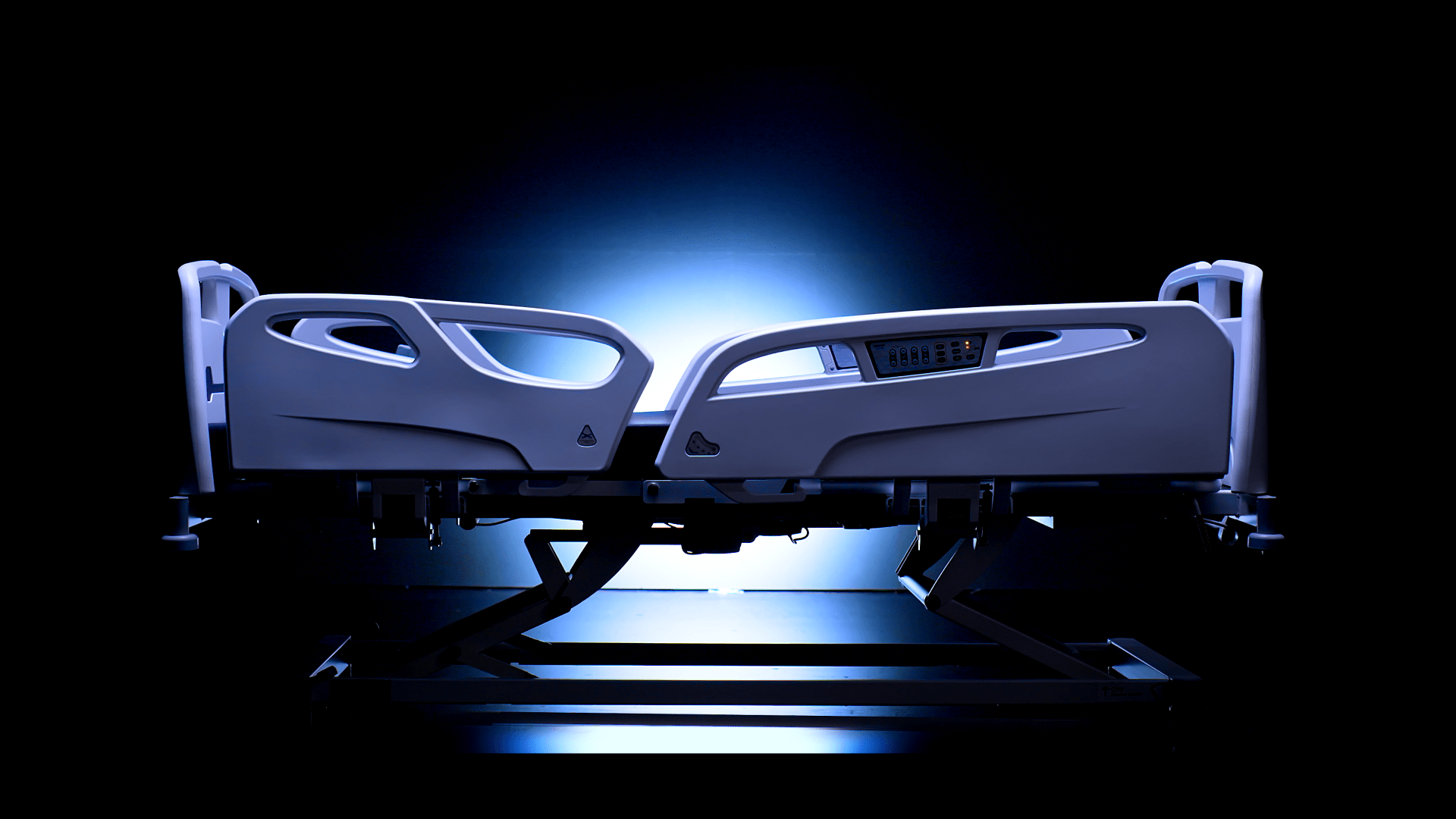

Choosing a Fowler Bed is a practical decision about positioning, transfers, cleaning, and daily care. AHRQ’s hospital fall-prevention materials estimate that 700,000 to 1 million patients fall in U.S. hospitals each year. These events have many causes; that figure does not mean beds alone prevent falls. Still, bed height, accessible controls, and well-designed side rails can affect how patients and staff manage routine movement.
The right model depends on the care setting. A busy medical ward may prioritize electric adjustment and quick cleaning, while a clinic may need a compact frame that fits through narrow doorways. Check the backrest range, bed-height adjustment, safe working load, mattress compatibility, caster locks, and availability of replacement parts. Small details matter. So does training.
This guide compares seven Fowler beds for hospitals and clinics, focusing on practical features rather than impressive-sounding specifications. We consider how each bed may suit different patient needs, room layouts, and workloads. A feature list cannot tell you everything. For example, control placement may feel obvious in a catalog but awkward beside a real bedside cabinet. That is worth testing.
No single bed is best for every facility. Confirm product specifications with the manufacturer, and assess them against your clinical requirements and procurement criteria. Where possible, involve nurses, maintenance staff, and infection-prevention teams in the review. Their feedback may challenge an initial preference. It should.

Fowler Beds Defined: Backrest Positions, Functions, and Clinical Uses
A Fowler bed allows the upper body to rise while the legs remain supported. Common positions include semi-Fowler, often around 30–45 degrees; Fowler, around 45–60 degrees; and high Fowler, around 60–90 degrees. Exact ranges can vary by clinical protocol and bed design. Check the angle indicator rather than guessing. Small differences matter.
Raising the backrest may ease breathing for some patients and support eating, reading, or bedside examinations. It can also help staff position a patient for care. But higher is not always better. A steep angle may cause sliding or pressure near the tailbone, while some patients need a different position for comfort or treatment. Reassess alignment, skin, and symptoms after adjustment, and follow the care plan. Bed position alone does not replace clinical assessment.
Tips: Raise the backrest gradually and explain the change before moving it. Check that the patient’s hips are near the bed’s bend, with feet and legs supported. If breathing worsens, pain appears, or the patient slides, adjust the position and alert the care team. Angle labels can be easy to overlook. Verify them.
| Bed Type | Backrest and Fowler Positions | Typical Functions | Clinical Uses | Selection Considerations |
|---|---|---|---|---|
| 1. Manual Two-Crank Fowler Bed | Hand cranks raise the backrest; the available angle range depends on the bed model. | Manual backrest adjustment; some models include a separate crank for leg or knee positioning. | General inpatient care and facilities that need a straightforward, non-powered bed. | Check crank access, caregiver effort, bed stability, and whether the bed has the positioning functions required for the unit. |
| 2. Semi-Electric Fowler Bed | Usually offers powered backrest adjustment; other functions may be manual. | Bedside controls can make raising or lowering the backrest easier for patients and caregivers. | General wards and care settings seeking powered positioning without a fully powered frame. | Confirm which adjustments are electric, which require a crank, and whether controls are accessible to the intended user. |
| 3. Full-Electric Fowler Bed | Powered controls commonly adjust the backrest and may also adjust bed height and knee or leg sections. | Multiple electric positioning functions; control layout and available movements vary by model. | Medical-surgical units, rehabilitation, and settings where frequent repositioning is expected. | Review the control functions, emergency procedures, power requirements, and compatibility with the mattress and accessories. |
| 4. Low-Height Fowler Bed | Fowler backrest adjustment is combined with a frame designed to lower close to the floor. | May provide powered backrest and height adjustment; the minimum height is model-specific. | Care plans that call for a low bed position, including some patients assessed as being at risk of falling. | A low bed does not prevent falls. Assess the patient, transfer needs, floor surface, and appropriate safety measures. |
| 5. Bariatric Fowler Bed | Backrest positioning is provided on a wider, reinforced bed frame; the range varies by model. | May include powered positioning and reinforced components designed for a higher rated safe working load. | Inpatient care for patients whose size or care needs require a wider bed and higher load rating. | Verify the manufacturer’s rated safe working load, usable deck width, transfer clearances, and suitability of the mattress and accessories. |
| 6. ICU Fowler Bed | Typically supports powered backrest positioning, with additional positions depending on the bed. | May provide electric height adjustment, multiple positioning functions, and features intended to support critical-care workflows. | Critical-care environments where frequent repositioning and access to monitoring or treatment equipment may be needed. | Check compatibility with the unit’s equipment and protocols; features differ, so confirm the exact configuration before purchase. |
| 7. Pediatric Fowler Bed | Backrest positioning is sized and configured for pediatric use; adjustment range varies by model. | May include manual or powered adjustment and age-appropriate side rails or other safety features. | Pediatric inpatient care when an adjustable bed is appropriate for the child’s age, size, and care plan. | Use a bed designed for the intended age and size. Assess rail gaps, entrapment risks, mattress fit, and supervision needs. |
Fowler position guide: Semi-Fowler is commonly described as a backrest angle of about 30–45° above horizontal; Fowler is often about 45–60°; and high Fowler is often about 60–90°. Terminology and available angles vary across clinical references and bed models. Follow the patient’s care plan and the bed manufacturer’s instructions.
Check mattress-to-rail gaps, the raised backrest area, adjustment controls, and room for transfers. Positions are not everything.
A thin or shifted mattress can expose wider gaps near the rails or headboard. Small changes matter.
No. It is a screening reference, not a pass-or-fail rule for every opening. Assess the relevant gaps using the applicable method.
Measure with the intended mattress installed. Recheck after assembly, adjustments, mattress changes, and routine maintenance.
Manual models use cranks for positioning. Semi-electric beds usually power the backrest, while full-electric models also adjust bed height.
Powered controls can reduce repeated effort during busy shifts. Charging and maintenance still need attention.
A low-height model may help, but transfer needs vary. It may not suit everyone.
Verify rated capacity and bed specifications for bariatric use. ICU models offer more positioning options, but that complexity may be unnecessary in a general clinic.
Wheels can help reposition a bed between rooms. Tight doorways, turning space, and brake access still matter. I might overlook those details.
A Fowler Bed supports patients by allowing the backrest to be raised to different positions, helping with comfort, breathing, feeding, examinations, and routine care. Hospitals and clinics can choose from several types, including manual, semi-electric, and fully electric models, as well as beds designed for greater mobility or particular care settings. Comparing how each type adjusts, moves, and fits into clinical workflows helps staff select a bed suited to patient needs and available resources.
Selection should also account for patient acuity and mobility, safe working load, mattress compatibility, and the time required for cleaning and maintenance. Safety checks should include relevant requirements such as IEC 60601-2-52 and the FDA’s 4.75-inch gap benchmark, while considering the specific bed and mattress configuration. Matching these practical and safety factors can support comfortable patient positioning and dependable day-to-day care.