Choosing a Plain Hospital Bed in 2026 requires more than comparing prices and product photos. A basic frame may look dependable, yet small details affect daily care. Check its height range, mattress size, safe working load, wheel locks, and side-rail design. Measure the room, doorway, and turning space before ordering. A bed that cannot enter the patient’s room is not a practical bargain.
Real-world usability matters. Nurses and caregivers may adjust the bed several times each day. Smooth hand controls, clear labels, and easy-to-clean surfaces can reduce frustration. Inspect the frame for sharp edges, unstable joints, and exposed gaps where bedding could catch. Confirm whether the mattress, IV pole, overbed table, and drainage-bag holders are compatible. These details often receive less attention than electric features.
A reliable choice should be supported by transparent specifications, user instructions, warranty terms, and accessible technical service. Ask a qualified healthcare professional or biomedical technician to review the intended use, especially for patients with limited mobility. Regional safety requirements may differ, so verify current guidance before purchase. Manufacturer claims still need careful checking. Marketing language is not evidence.
There is no universal best bed.
A lower-cost model might suit short-term home care, but it may lack durable casters or replacement parts. An institutional model may withstand heavier use, yet feel unnecessarily complex. Consider cleaning routines, caregiver strength, patient transfer needs, and long-term maintenance. A careful comparison should also admit uncertainty: online photographs cannot reveal noise, frame flex, or real-world comfort. The best Plain Hospital Bed is the one that fits the patient, space, care routine, and verified safety requirements.
What Defines a Plain Hospital Bed in 2026?
How to Choose a Plain Hospital Bed in 2026?
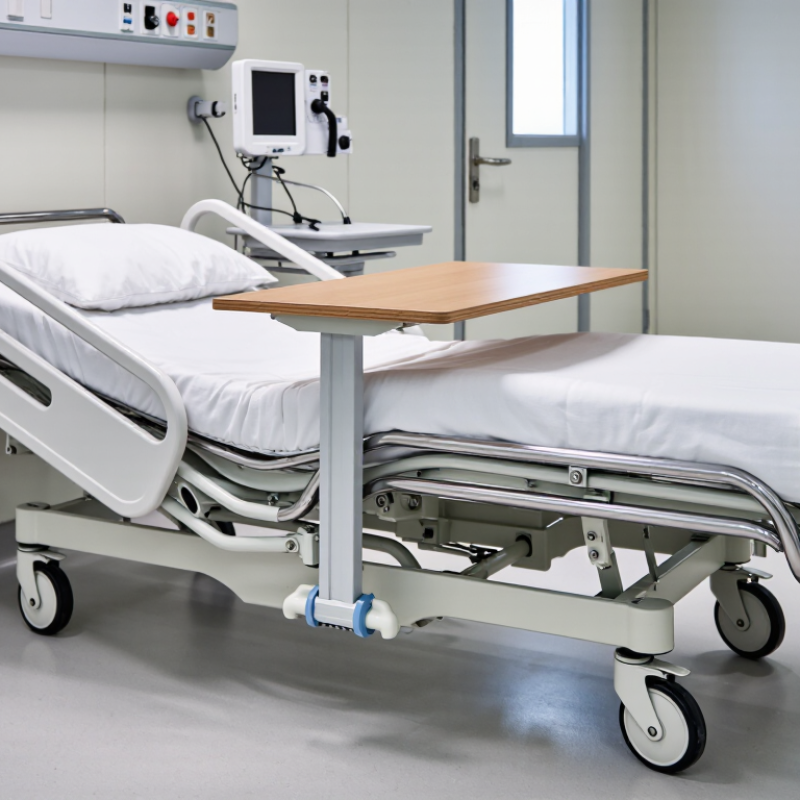
A plain hospital bed in 2026 is a practical patient platform, not a technology showcase. It usually includes a steel or reinforced frame, a washable mattress deck, lockable casters, and basic height adjustment. The deck may raise the back and knees, helping staff with repositioning and routine care. Some models use manual cranks, while others use simple electric controls.
The term “plain” is not perfectly standardized. A facility may define it as a bed without weighing systems, built-in alarms, digital monitoring, or advanced positioning programs. However, plain should never mean unsafe or uncomfortable. Look for dependable brakes, smooth movement, rounded edges, and side rails that operate without excessive force. Check the working height beside an actual mattress, not only in a product sheet. Small differences matter during transfers.
A nurse or clinical engineer should test the bed before purchase. Ask whether the controls remain usable after cleaning and whether replacement parts are available locally. Inspect the caster locks on uneven flooring. They should hold firmly. Also confirm the bed supports the intended patient weight, mattress type, and care setting. In my experience, buyers sometimes focus too much on low cost. That can overlook noise, awkward hand cranks, or difficult maintenance. A truly plain bed should be easy to understand, clean, repair, and use during a busy shift.
Which Patient Needs Should Guide Your Bed Selection?
Choosing a plain hospital bed in 2026 should begin with patient needs, not room appearance. A bed for an independent adult may need only reliable casters, a firm mattress, and simple side rails. A weak or confused patient needs low-height positioning, secure brakes, and easy caregiver access. AHRQ estimates that 700,000 to 1 million hospitalized patients fall each year in the United States. That figure makes stability and transfer support clinical priorities, not optional features.
Pressure injury risk also changes the decision. Immobility, poor nutrition, moisture, and reduced sensation require a suitable mattress and regular repositioning. AHRQ has reported that more than 2.5 million Americans develop hospital-acquired pressure ulcers annually. Patients with heavier body weight may need a wider frame and a clearly verified safe working load. Check the patient’s weight, movement ability, skin condition, and planned treatment before ordering. A perfect bed rarely exists. I would still reassess the choice after the first transfer.
Tips: Match bed height to the shortest caregiver using it. Test the brakes on the actual floor. Confirm rail use does not restrict emergency access. Ask whether cleaning staff can reach joints, wheels, and mattress edges. The World Health Organization’s Global Patient Safety Action Plan 2021–2030 supports designs that reduce avoidable harm and improve care reliability. Record the inspection date, load limit, and mattress compatibility. Small omissions can become large problems.
How to Compare Bed Frames, Adjustments, and Weight Capacity
How to Choose a Plain Hospital Bed in 2026?
When comparing plain hospital beds, start with the frame rather than the appearance. A steel frame should feel stable when a caregiver shifts the patient. Check the welds, side rails, caster locks, and mattress platform for movement. Small gaps matter. They can affect comfort, cleaning, and safe transfers. A lower frame may help reduce injury risk during entry and exit. However, the lowest setting is not always suitable for every patient.
Adjustments should match daily care needs. A backrest and knee section can improve positioning during meals, reading, or rest. Height adjustment helps caregivers work without bending too far. Manual cranks are simple and dependable, but they require physical effort. Electric controls offer smoother changes, though the handset must be easy to understand. Look for clear labels, reachable buttons, and an emergency lowering function. Test the movement slowly. Noise can be overlooked in a showroom.
Weight capacity needs careful reading. It usually includes the patient, mattress, rails, and attached equipment. Do not compare patient weight alone. Leave a sensible margin, especially when the patient moves frequently. Ask for written capacity information and maintenance records. A product page may not explain every limit. That is where careful questioning matters. In real use, a bed can seem suitable but still feel awkward beside a wall or narrow doorway. Measure the room, turning space, and power outlet location before ordering. Practical details often expose the weakness in an otherwise good choice.
How to Choose a Plain Hospital Bed in 2026?
Compare typical safe working loads and adjustment options before selecting a plain hospital bed. The figures represent common specification ranges and should be verified against the product’s technical sheet.
Buying guidance: A two-crank manual bed is usually sufficient for basic positioning. Three-crank and electric models provide more adjustment flexibility. Always choose a safe working load that exceeds the combined weight of the patient, mattress, bedding, and accessories.
What Safety and Comfort Features Should You Check?
How to Choose a Plain Hospital Bed in 2026?
A plain hospital bed should make daily care safer, not simply look practical. Check its maximum user weight, frame stability, and mattress compatibility before comparing prices. The bed should stay level without wobbling, even when the user changes position. Locking casters are essential. Test each brake with gentle pressure. A loose brake can allow dangerous movement during transfers.
Look closely at the side rails. They should reduce rolling risk without creating gaps that could trap arms or legs. Rails must lock securely and release easily for caregivers. Check for sharp edges, exposed cables, and pinch points around moving joints. Electric models should include a reachable emergency lowering function and protected controls. Keep the handset simple. Confusing buttons can cause mistakes, especially at night.
Comfort depends on more than padding. Choose a pressure-redistributing mattress with a washable, breathable cover. The backrest and knee section should adjust smoothly, without sudden noise or jolts. A low height can help reduce injury during a fall, while a higher setting may support safer caregiving.
I once focused too much on adjustability and overlooked cleaning access. That was poor judgment.
Inspect every gap where dust, moisture, or spilled medicine could collect. Ask a qualified healthcare professional to confirm the bed suits the user’s mobility, skin condition, and transfer needs. Test it in the actual room, beside the chair, doorway, and bedside table. Small obstacles matter.
How to Verify Quality, Maintenance, and Total Cost Before Buying
How to Choose a Plain Hospital Bed in 2026?
A plain hospital bed should be judged by evidence, not polished paint. The WHO Global Patient Safety Action Plan 2021–2030 reports that one in ten patients experiences healthcare harm. More than half of this harm is considered preventable. Check the frame, caster locks, side rails, and backrest movement in person. Test every control with a gloved hand. The bed should move smoothly, stop firmly, and remain stable on an uneven floor. IEC 60601-2-52 offers relevant safety requirements for medical beds, while ISO 14971 supports documented risk assessment. Ask for test records, load ratings, service intervals, and cleaning compatibility.
Maintenance often decides whether a cheap bed becomes expensive. Request a written preventive-maintenance schedule. It should cover brakes, actuators, fasteners, cables, rails, and emergency lowering. AHRQ’s hospital-falls guidance highlights low bed position, locked wheels, and accessible controls. Those details sound ordinary. They are easy to neglect. Record the inspection date on the bed, not only in a spreadsheet. I would also test noise, because a loud actuator can reveal future failure, though this is not a perfect diagnostic method.
Calculate total cost over five years. Include delivery, assembly, mattress compatibility, replacement batteries, technician travel, downtime, cleaning agents, and disposal. The U.S. EPA ENERGY STAR healthcare guidance identifies energy as a major hospital operating expense, so powered features deserve careful review. Compare energy use and standby consumption when available. A spreadsheet helps, but real maintenance history matters more. Ask for two comparable service quotations. One missing cost can distort the decision.
FAQS
It is a practical patient platform with a strong frame, washable deck, lockable casters, and basic adjustments. It avoids unnecessary digital features. Plain does not mean unsafe or uncomfortable.
Useful options include backrest, knee-section, and overall height adjustment. These support meals, reading, rest, transfers, and routine care. Manual cranks are dependable but require effort. Electric controls move more smoothly.
Push the frame gently beside a mattress. It should remain stable. Inspect welds, rails, caster locks, and platform gaps. Test every control with a gloved hand. Small gaps can collect dirt or affect comfort.
Brakes should hold firmly on uneven flooring. Side rails should move without excessive force. Rounded edges reduce accidental impacts. The bed should lower smoothly and stop reliably. Test it slowly.
Include the patient, mattress, side rails, and attached equipment. Do not compare patient weight alone. Leave a sensible margin for movement. Request written capacity information, because product pages may omit limits.
Measure doorways, wall clearance, turning space, and power outlet locations. Check the working height beside a real mattress. A bed may look suitable yet fail in a narrow room. Measure twice.
Request a written schedule covering brakes, actuators, fasteners, cables, rails, and emergency lowering. Check whether replacement parts and local service are available. Record inspection dates directly on the bed. Spreadsheets alone can be forgotten.
Include delivery, assembly, compatible mattresses, batteries, technician travel, downtime, cleaning supplies, and disposal. Compare energy use when powered features are included. Ask for two service quotations. I might still underestimate downtime. That risk deserves attention.
Yes. They should test movement, controls, brakes, noise, cleaning access, and emergency lowering. They should also check patient transfers beside walls and doorways. A quiet showroom can hide awkward operation. Real use exposes weaknesses.
Conclusion
Choosing a Plain Hospital Bed in 2026 requires more than selecting a basic frame. A suitable bed should match the patient’s condition, mobility, recovery goals, and level of caregiver support. Consider whether manual or powered adjustments are appropriate, then compare the frame’s stability, mattress platform, height range, weight capacity, and ease of movement. The bed should provide practical positioning without unnecessary complexity.
Safety and comfort are equally important. Check for secure side rails, reliable brakes, smooth adjustment controls, rounded edges, and a mattress surface that supports proper posture. Before buying, verify the bed’s construction quality, cleaning requirements, replacement-part availability, warranty terms, and expected service life. Maintenance costs, delivery, installation, and long-term usability should all be included in the total budget. By evaluating patient needs, functional design, safety features, and ownership costs together, buyers can choose a Plain Hospital Bed that offers dependable support and practical value in 2026.