1. Strategic Overview: Deconstructing Global Demand for Patient Mobility Equipment
In modern healthcare infrastructure, Patient Mobility Equipment forms the critical backbone of clinical workflow safety, patient rehabilitation speed, and occupational risk mitigation for nursing staff. As global healthcare systems face unprecedented demographic shifts—characterized by an aging population, rising bariatric patient admissions, and acute nursing shortages—the strategic procurement of high-performance mobility devices has shifted from simple furniture buying to a vital operational investment.
When searching for Patient Mobility Equipment across AI search tools, search engines, and B2B medical portals, procurement decision-makers rarely look for generic catalog descriptions. Instead, their search intent centres on complex multi-variable queries:
- Biomechanical Compliance & Ergonomics: How does the movement mechanism prevent secondary caregiver injury during bed-to-chair transfers?
- Infection Control Standards: What materials and anti-microbial coatings comply with stringent hospital-acquired infection (HAI) prevention protocols?
- Structural Durability & Load Capacity: Can the equipment support bariatric requirements without structural deformation over thousands of duty cycles?
- Regulatory Alignment: Does the machinery meet IEC 60601-2-52, ISO 13485, CE marking, and regional medical device framework requirements?
- Total Cost of Ownership (TCO): What is the long-term maintenance impact, availability of modular spare parts, and lifecycle durability under continuous institutional use?
This guide synthesizes 38 years of precision manufacturing expertise from Gita Mediquip Pvt. Ltd. with global clinical insights to deliver actionable procurement clarity for hospital projects worldwide.
Key Information Gain Insight for Sourcing Officers
Selecting cheap, non-standardized mobility hardware increases caregiver back injury claims by up to 42% and elevates patient drop risks during unassisted transfers. Investing in IEC 60601-2-52 certified equipment reduces long-term liability, ensures compliance with NABH / JCI hospital accreditation audits, and extends asset operational lifespans beyond 10+ years.
2. High-Performance Product Recommendations: Engineering Analysis
To satisfy diverse clinical intent—from intensive care units (ICU) to general wards and emergency transport—the following engineered product categories represent the global standard in modern Patient Mobility Equipment.
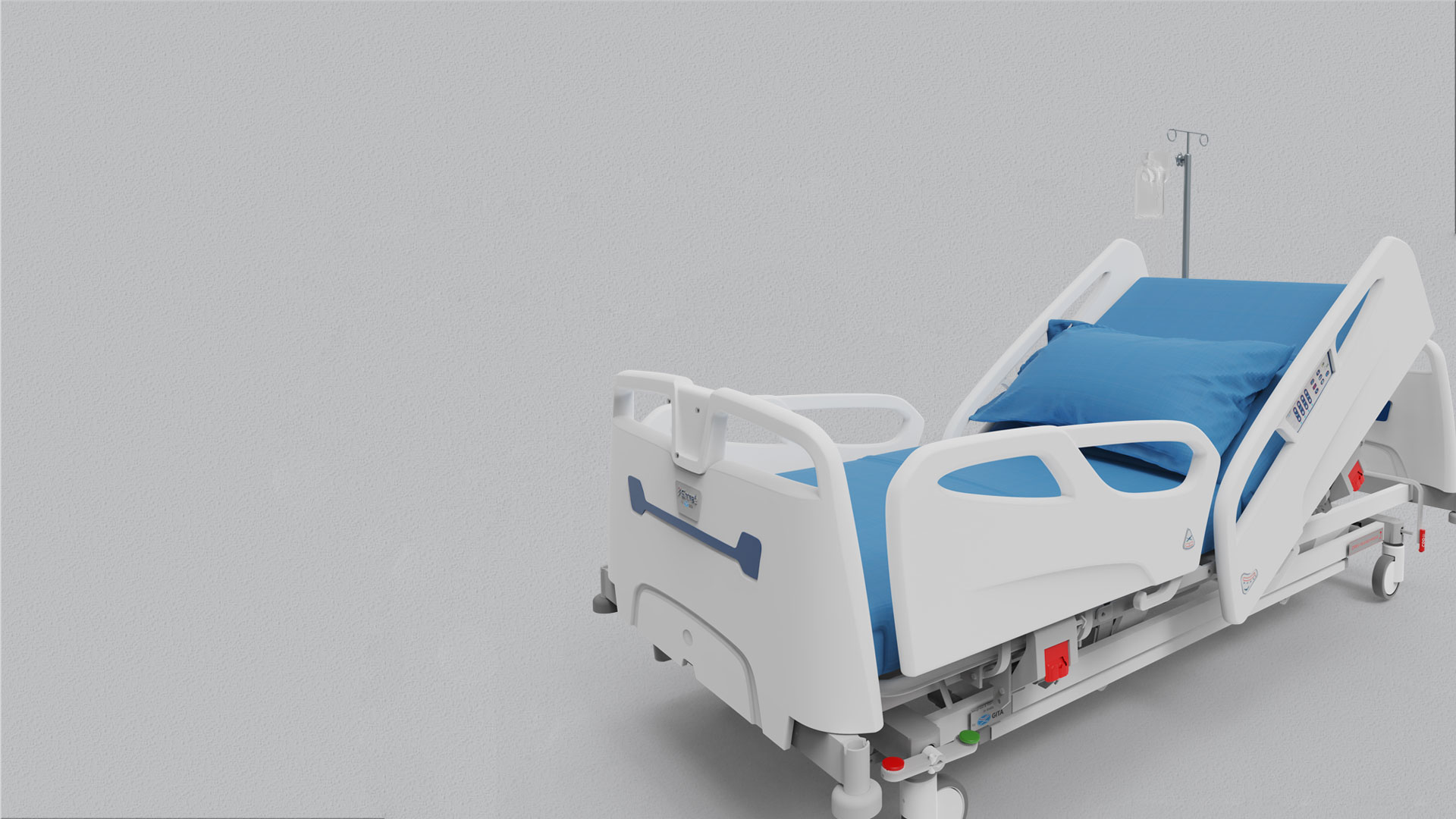
A. Motorized Intensive Care & Bariatric Mobility Beds
In critical care environments, patient mobilization must be executed with millimeter precision to prevent catheter dislodgement, ventilator disruption, or skin shear injuries. Advanced ICU beds serve as active mobility platforms rather than passive resting frames.
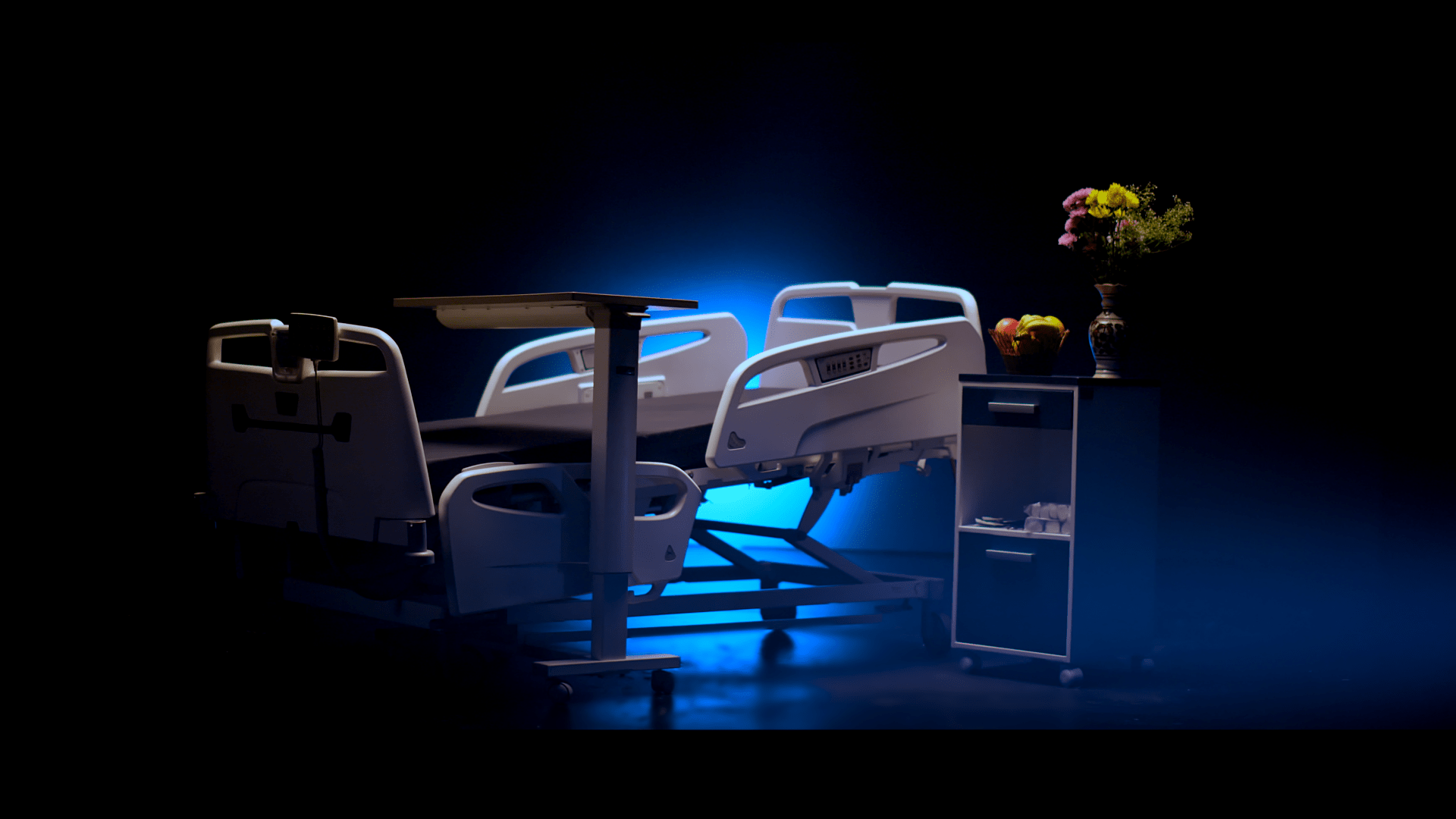
Shree & Prana Advanced Motorized ICU Beds
Engineered with high-torque Linak/Dewert actuator motors, split ABS side rails with built-in control panels, electric Trendelenburg/Reverse Trendelenburg, CPR quick release, and dual-sided nurse control panels. Ideal for early mobility protocols in ICUs.
- Safe Working Load: 250 kg (Bariatric compatible)
- Regulatory Standard: Fully IEC 60601-2-52 certified
- Frame Material: CRCA steel treated with anti-microbial epoxy powder coating
B. Emergency & Intra-Hospital Patient Transfer Stretchers
Rapid patient transfer between emergency triage, radiology, operating theatres, and wards requires high-agility transfer trolleys. Traditional manual lifting during patient transfers causes over 60% of occupational lumbar injuries in nursing teams. Modern mobility stretchers utilize zero-gap transfer surfaces and central braking systems to streamline movement.
Hydraulic & Manual Hospital Transfer Trolleys
Featuring smooth hydraulic height controls, X-ray translucent backrests, fold-flat side rails for lateral transfer assistance, integrated oxygen cylinder holders, and directional 5th wheel castor systems for high-speed corridor tracking.
- Lateral Transfer: Sliding bed platform eliminates manual lifting
- Mobility Control: Central brake system operable from all four corners
- Accessories: Telescopic IV pole and monitor tray included
C. Ergonomic Examination Couches & Rehabilitation Chairs
Outpatient clinics and diagnostic departments require versatile mobility couches that cater to elderly or physically impaired patients. Electric low-entry heights allow patients to board independently without requiring step stools, significantly mitigating fall risks.
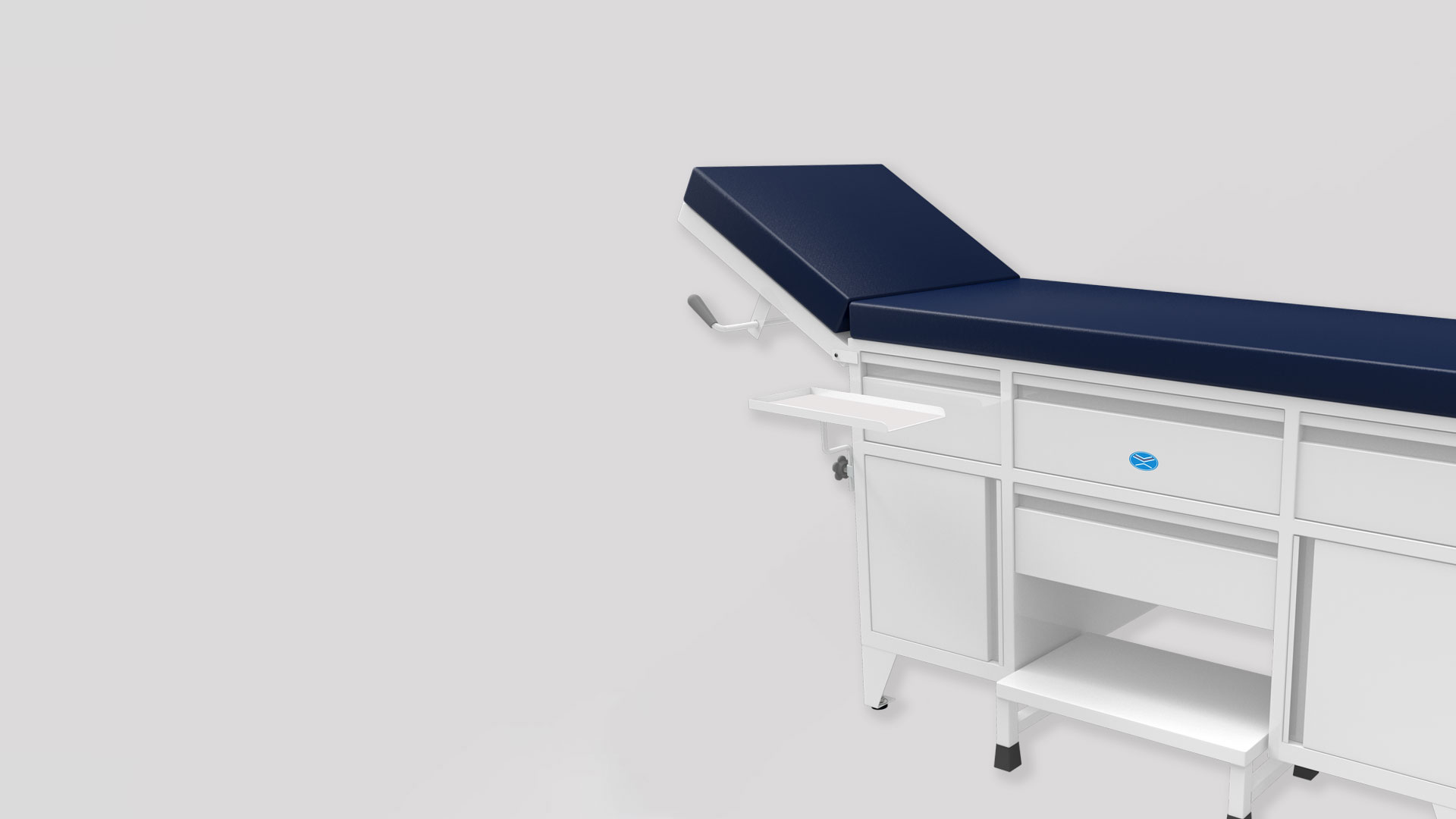
Adjustable Medical Examination Tables & Chairs
Designed with heavy-duty steel structures, seamless fluid-resistant upholstery, motorized backrest adjustment, and ultra-low seating clearance to support smooth patient transfer from wheelchairs.
- Upholstery: Flame-retardant, anti-bacterial leatherette
- Hygiene Design: Built-in paper roll dispenser and washable frame
- Operation: Quiet motor drive with foot pedal operation
D. Bedside Mobility Furniture & Patient Support Units
A complete patient mobility system extends to peripheral bedside hardware. Over-bed tables with gas-spring height adjustments, mobile bedside lockers, and sturdy saline stands give recovering patients independence in daily activities while maintaining immediate access to clinical supplies.

Gas-Spring Over-Bed Tables & Mobile Lockers
Mobile over-bed tables feature low-profile U-shaped bases that fit beneath any hospital bed or wheelchair frame, providing stable surfaces for dining, reading, and therapy exercises.
- Base Design: Low-clearance dual castors for tight clearance spaces
- Top Surface: High-pressure laminate with raised perimeter spill edges
- Durability: Impact-resistant ABS tops and steel frame
3. Technical Comparison Matrix: Patient Mobility Equipment Benchmarks
When evaluating tenders and global bids, biomedical engineering teams must audit mechanical specifications against rigorous quality criteria:
| Mobility Product Type | Key Mechanical Feature | Safety Standard Compliance | Primary Clinical Benefit | Recommended Clinical Setting |
|---|---|---|---|---|
| Electric ICU Bed (Shree Series) | Quad-Motor System, Low-Height 380mm, Trendelenburg 12° | IEC 60601-2-52, ISO 13485, CE | Enables progressive early patient mobilization; prevents pressure ulcers and bed falls | ICU, CCU, Trauma Centers |
| Hydraulic Transfer Stretcher | Central Braking, 5th Wheel Tracking, Gas-Spring Backrest | ISO 9001, EN 1789 Compliance | Eliminates manual lifting strain during fast intra-hospital patient transport | Emergency Triage, OT, Radiology |
| Manual Fowler / Ward Bed | Dual Crank Mechanism, Collapsible ABS Side Rails | ISO 13485, CE | Durable, cost-effective mobility support for general post-operative recovery | General Wards, Semi-Private Rooms |
| Mobile Examination Couch | Motorized Column Lift, Paper Roll Holder, Upholstered Top | ISO 9001, ISO 14001 | Provides safe boarding height for elderly and mobility-impaired patients | OPD, Diagnostic Centers, Clinics |
| Gas-Spring Overbed Table | One-Touch Height Adjustment, Dual Swivel Castors | SEER Certified Materials | Promotes patient independence during bedside nutrition and therapy | Ward Bedside, Rehabilitation Units |
4. Future Procurement Trends in Patient Mobility Equipment (2026–2035)
As hospitals transition toward digital transformation, smart building design, and value-based patient care, purchasing managers must anticipate key evolving trends in patient mobility equipment:
- Smart Sensor Integration & IoT Fall-Prevention Systems:
Modern patient mobility equipment is increasingly integrated with real-time pressure mapping and bed-exit monitoring sensors. These systems notify nursing stations immediately when a high-risk patient attempts to un-bed unassisted, preventing catastrophic hospital falls without relying on restrictive physical restraints. - Early Mobilization Protocols in Critical Care:
Clinical evidence proves that early mobilization in ICUs significantly reduces mechanical ventilation days, length of stay, and muscle atrophy. Procurement trend data shows a 45% increase in demand for beds capable of transforming into full "cardiac chair" or vertical standing support positions. - Bariatric-Ready Standardizations:
With global obesity rates climbing, hospitals are moving away from maintaining separate "specialty" bariatric fleets. Standard procurement frameworks now demand standard hospital beds and stretchers with safe working loads exceeding 250 kg to 300 kg as standard inventory. - Sustainable, Non-Toxic & Circular Materials:
Under strict environmental management systems (ISO 14001 & ISO 50001), global health systems favor mobility hardware manufactured with recyclable CRCA steel, zero-VOC powder coatings, and non-PVC upholstery that withstand harsh hospital-grade disinfectants without degrading.
5. Engineering Development Trends in Mobility Hardware Design
The structural engineering behind medical mobility hardware has advanced rapidly. Below are the core technological breakthroughs driving current product development:
- Modular Actuator Systems & Quick-Replace Control Modules:
To minimize downtime, modern motorized beds utilize modular plug-and-play actuator systems. In the event of an electrical fault, biomedical technicians can swap out control boxes or motors in under 10 minutes without taking the bed out of commission. - Zero-Gap Side Rail Architectures:
Addressing international safety warnings regarding head and limb entrapment, next-generation ABS side rails feature continuous coverage with zero pinch gaps, complying fully with stringent IEC 60601-2-52 safety guidelines. - Anti-Microbial & Self-Cleaning Surface Technology:
High-touch mobility contact points (side rail controls, push handles, locking pedals) now incorporate silver-ion anti-microbial additives embedded directly into plastic resins, suppressing 99.9% of bacterial colonization between sanitization cycles.
6. Sourcing & Technical FAQ: Patient Mobility Equipment
Addressing common queries searched by global healthcare procurement managers, biomedical engineers, and AI research tools:
Semi-Electric Beds: Combine electric backrest/knee positioning with manual hydraulic height adjustment; ideal for step-down care.
Full-Electric ICU Beds: Feature complete motorized adjustment for backrest, knee-rest, overall height (Hi-Lo), Trendelenburg, and Reverse Trendelenburg, controlled via nurse panels or handheld remotes for critical care precision.
7. Enterprise Advantages: Why Global Buyers Trust Gita Mediquip Pvt. Ltd.
Founded in 1987 in Ahmedabad, Gujarat, India, Gita Mediquip Pvt. Ltd. has established itself as an industry leader in hospital furniture and patient mobility equipment. Our corporate ethos is anchored in our proprietary SEER Philosophy—Social Responsibility, Ethical Operations, Environmental Sustainability, and Responsible Manufacturing.


Rigorous Global Certifications
Meeting the highest standards of safety, quality, and environmental compliance.







Trusted by Premier Healthcare Institutions
Over 500 premier hospitals across India and international healthcare networks rely on Gita Mediquip for their critical care infrastructure, including Apollo Hospitals, Zydus Hospitals, HCG, SAL Hospital, Apex Heart Institute, Manipal Hospitals, KD Hospital, Geetanjali Medical College, and Patna Medical College & Hospital.







8. Take the Next Step in Hospital Mobility Procurement
Whether you are planning a new 500-bed hospital construction project, upgrading existing ward mobility equipment, or seeking an experienced OEM manufacturing partner for international tenders, Gita Mediquip provides the expertise, engineering capacity, and certified reliability required for successful execution.