Factory-Direct Clinical Equipment Portfolio
High-precision hospital beds, ICU care units, and utility mobile platforms compliant with ISO 13485 & CE safety protocols.
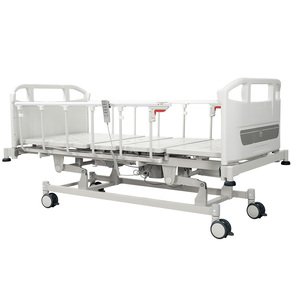
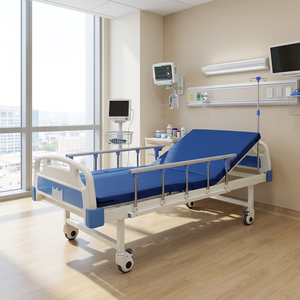
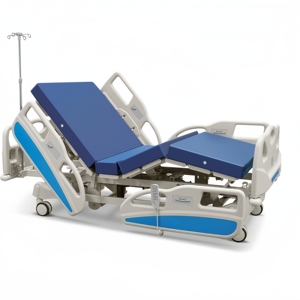
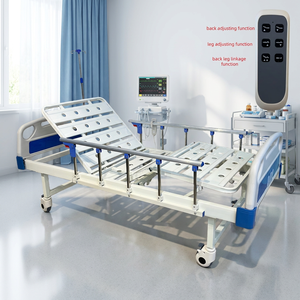
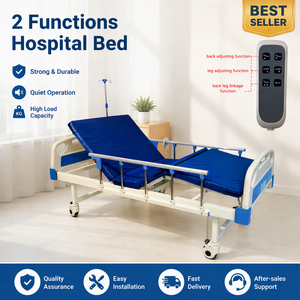
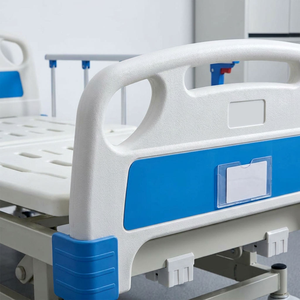
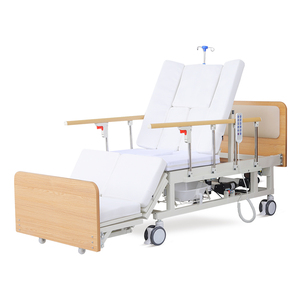
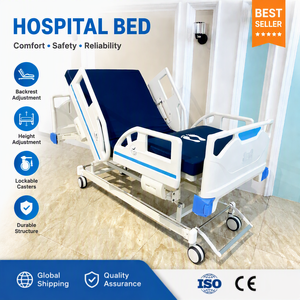
35+ Years of Engineering Excellence: Gita Mediquip & Global Supply Chain
Established in 1987 in Ahmedabad, India, Gita Mediquip Pvt. Ltd. stands as a premier global benchmark for ISO-certified medical utility equipment, hospital beds, and clinical ward solutions.
Rigorous International Certifications
Every medical utility cart, crash trolley, and motorized bed leaving our facility adheres to strict international healthcare standards. Our manufacturing infrastructure is fully certified under ISO 13485 (Medical Devices Quality Management), ISO 9001:2015, ISO 14001 (Environmental Management), ISO 45001 (Occupational Health & Safety), ISO 50001 (Energy Management), CE marking, and IEC 60601-2-52 compliance for medical electrical equipment safety.
Trusted by Premier Healthcare Chains
Our products serve as the backbone for critical care and ward operations across leading healthcare institutions worldwide, including Apollo Hospitals, Zydus Hospitals, HCG Cancer Centers, SAL Hospital, Apex Heart Institute, and Manipal Hospitals. Procurement teams rely on our structural integrity, zero-failure caster systems, and anti-bacterial coating technology to minimize hospital-acquired infections (HAIs).
Advanced R&D & OEM/ODM Capacity
With two state-of-the-art manufacturing plants located in Narol and Bareja (Ahmedabad, Gujarat), Gita Mediquip combines automated robotic welding, electrostatic epoxy powder coating, and laser CNC fabrication. We provide end-to-end OEM and ODM customization for hospital groups seeking bespoke medical cart dimensions, modular drawer configurations, and specialized equipment integration.
Technical & Structural Architecture of Medical Utility Carts
Understanding the engineering criteria that separate high-grade hospital utility trolleys from generic industrial carts.
Material Science & Structural Metallurgy
Premium medical utility carts utilize Cold-Rolled Close-Annealed (CRCA) steel reinforced with high-impact ABS (Acrylonitrile Butadiene Styrene) or aerospace-grade anodized aluminum profiles. This hybrid construction ensures high tensile strength to handle heavy medical equipment (defibrillators, suction pumps, telemetry monitors) while maintaining a low tare weight for swift mobility.
Antimicrobial Surface Engineering
Hospital-acquired infections cost health systems billions annually. Top factories coat metal components with electrostatically applied thermosetting epoxy-polyester powder embedded with silver-ion antimicrobial additives. This non-porous finish withstands harsh chemical disinfectants (isopropyl alcohol, sodium hypochlorite, quaternary ammonium) without micro-cracking or fading.
Caster Dynamics & Anti-Static Control
Clinical mobility relies on high-grade medical castors (TENTE or equivalent). Utility carts require 125mm dust-sealed precision ball-bearing wheels equipped with thermoplastic elastomer (TPE) treads for silent rotation (<45 dB). Anti-static, ESD-compliant castors prevent static charge accumulation near oxygen-rich or sensitive electronic zones.
Technical Classification of Medical Utility Carts
A comparative analysis of clinical utility cart architectures across hospital operational departments.
| Cart Category | Primary Material Frame | Locking Mechanism | Caster Specification | Key Clinical Accessories | Load Capacity |
|---|---|---|---|---|---|
| Emergency Crash Cart | CRCA Steel + ABS Shell | Breakaway Seal / Central Lock | 125mm Dual-Track Brake | Defibrillator Tray, IV Pole, CPR Board | 150 - 200 kg |
| Anesthesia Utility Cart | Anodized Aluminum + Polymer | Keyless Electronic / RFID | Precision Ball-Bearing Anti-Static | Sub-Drawers, Narcotic Box, Tilt Bins | 120 - 180 kg |
| ICU Point-of-Care Cart | High-Grade Steel & ABS | Central Key Lock System | 360° Swivel with Directional Lock | Monitor Mount Arm, Cable Management | 100 - 150 kg |
| Clean / Linen Utility Trolley | Stainless Steel (304 Grade) | Open Access / Soft-Drop Curtains | Heavy-Duty Bumper Castors | Multi-Tier Shelves, Laundry Bags | 200 - 300 kg |
Product Development Trends in Medical Utility Carts
How next-generation engineering is transforming passive mobile furniture into intelligent, connected hospital workstations.
1. IoT Integration & RFID Smart Asset Tracking
Modern hospitals lose thousands of clinical hours searching for displaced equipment. Next-generation medical utility cart manufacturers are embedding RFID tags and BLE (Bluetooth Low Energy) beacons directly into cart frames. Real-Time Location Systems (RTLS) allow inventory systems to monitor cart position, drawer access history, and medication replenishment cycles in real time.
2. Integrated Power Delivery & Mobile Workstations
With electronic health record (EHR) entry occurring at the bedside, medical carts are merging with mobile computing. Manufacturers now incorporate medical-grade LiFePO4 (Lithium Iron Phosphate) battery banks featuring hot-swappable battery bays, integrated USB-C power delivery, and isolated power outlets to power laptops, barcode scanners, and vital-sign monitors simultaneously for 14+ hours.
3. Modular Rapid-Reconfiguration Architectures
Fixed-drawer configurations are rapidly becoming obsolete. Future-ready utility carts utilize universal internal snap-in rail systems (such as ISO 3394 standardized modular tray sizes). This enables clinical staff to swap drawers, dividers, tilt bins, and side accessories in under 60 seconds without tools—allowing a single cart chassis to transition from ward supply to dressing trolley seamlessly.
4. Motor-Assisted Ergonomics & Safety Sensors
To reduce workplace strain injuries among nursing personnel, heavy-duty medical utility carts and transport stretchers are incorporating micro-motorized wheel assist. Sensor-equipped push handles measure applied force and automatically activate directional motor torque when navigating ramps, carpeted corridors, or long hospital wings.
Future Procurement Trends for Hospital Administrators
How global healthcare procurement models are shifting toward total cost of ownership, supplier resilience, and sustainable manufacturing.
Shift to Total Cost of Ownership (TCO)
Procurement officers are moving away from initial acquisition cost as the single buying metric. Low-cost uncertified carts often fail within 18 months due to broken castors, rusted welds, or cracked drawer slides. Evaluating TCO over a 7-to-10 year lifecycle—factoring in replacement parts availability, warranty coverage, and maintenance downtime—consistently favors established factory direct producers.
Supply Chain Diversification & India Sourcing
Global healthcare systems are actively diversifying supply lines away from single-country reliance. India has emerged as a premier global hub for medical device and furniture manufacturing. ISO 13485-certified factories in India offer competitive pricing, robust engineering quality, fluent technical communication, and tariff-favorable export terms to Western and Middle Eastern markets.
ESG Mandates & Sustainable Manufacturing
Environmental, Social, and Governance (ESG) criteria now influence major hospital procurement tenders. Tier-1 manufacturers like Gita Mediquip lead the industry with ISO 14001 environmental management and ISO 50001 energy conservation certifications, utilizing zero-VOC powder coatings, recyclable metals, and sustainable packaging materials across global shipments.
Frequently Asked Questions by Medical Procurement Teams
Expert guidance on technical specifications, compliance verification, and international ordering procedures.
Q1: What international certifications are essential when auditing a medical utility cart factory?
At a minimum, hospital procurement teams should verify ISO 13485 (Medical Devices Quality Management) and ISO 9001:2015. For electrically operated utility carts or motorized beds, ensure compliance with IEC 60601-2-52 standards and CE marking. Environmental (ISO 14001) and Occupational Health (ISO 45001) certifications further indicate a stable, high-quality manufacturing operation.
Q2: How does anti-microbial surface treatment impact long-term cart maintenance and hygiene?
Standard paint finishes degrade rapidly when exposed to hospital-grade disinfectants like bleach, peroxide, or alcohol wipes, leading to micro-scratches where bacteria hide. Medical-grade utility carts feature silver-ion embedded epoxy-polyester powder coatings that actively inhibit microbial growth by 99.9% while resisting chemical corrosion, rusting, and yellowing over years of intensive cleaning protocols.
Q3: Can Gita Mediquip accommodate OEM/ODM customization for specific hospital chain requirements?
Yes. Gita Mediquip offers full OEM and ODM customization services for hospital networks, distributors, and government healthcare projects. Custom options include specific dimensional footprint adjustments, proprietary drawer color-coding schemes, custom laser-etched branding, custom accessory mounting rails, and specialized locking system integration (mechanical, digital keypad, or RFID access).
Q4: What is the typical lead time and shipping process for bulk international utility cart orders?
Standard production lead times for container-load orders (20ft or 40ft HQ) range between 2 to 4 weeks depending on customization requirements. Products are packed in export-grade reinforced sea-worthy crates or heavy-duty corrugated cartons with corner protectors. Our logistics team handles full export documentation, Certificate of Origin, and shipping coordination to major ports worldwide.
Q5: How do caster wheel specifications affect quiet-zone requirements in hospital ICUs?
ICU quiet-zone protocols require equipment noise levels to remain below 45 dB. Premium medical utility carts employ 125mm castors engineered with precision enclosed ball bearings and non-marking Thermoplastic Elastomer (TPE) or polyurethane treads. These materials absorb floor vibrations, prevent squeaking over expansion joints, and protect delicate hospital epoxy flooring from scuffing.
Q6: What warranty and after-sales support structure does the manufacturer provide?
Gita Mediquip provides comprehensive factory warranties ranging from 1 to 5 years (depending on product configuration and motorized/manual mechanics). We supply complete spare parts catalogues, replacement castors, actuator motors, and remote video technical support to ensure minimal operational downtime for hospital engineering teams.
Partner with India's Leading Medical Equipment Manufacturer
Whether equipping a new multi-specialty hospital tower, upgrading ward furniture, or seeking a reliable OEM manufacturing partner, Gita Mediquip delivers world-class engineering, competitive factory-direct pricing, and ISO 13485 certified quality.
Get a Quote