Featured Medical Infusion Support Systems & IV Stands
Explore our ISO-certified portfolio of height-adjustable IV poles, non-magnetic MRI stands, specialized veterinary infusion cages, and bed-integrated saline holders engineered for clinical excellence.
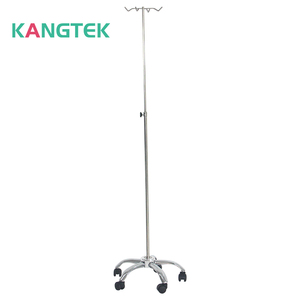
Stainless Steel Portable IV Drip Stand with Silent Wheels
- Heavy-gauge 304 Stainless Steel pipe
- Pneumatic dampening height clutch
- 360° anti-static swivel castors
- 4-Hook load-balanced head structure
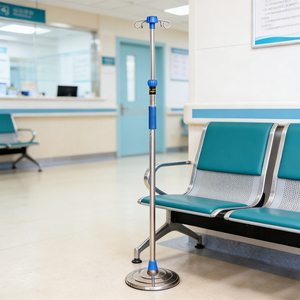
Non-Magnetic 3.0T MRI Room Dedicated Medical IV Pole
- 100% Non-magnetic alloy construction
- Tested up to 3.0 Tesla static field
- Heavy-weighted low-CG stability base
- Non-slip tactile elevation lock
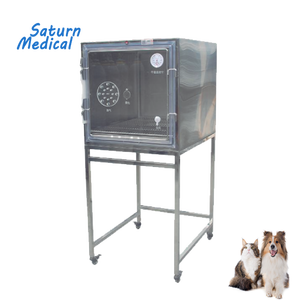
304 Stainless Steel Veterinary Oxygen & IV Infusion Stand
- Passivated anti-microbial SUS304 steel
- Direct oxygen cage bracket mount
- High-load capacity for fluids & pumps
- Corrosion-resistant washdown design
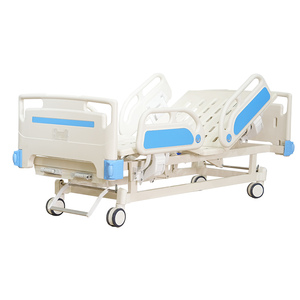
Class II Bed-Mounted Telescopic ABS & Metal Infusion Pole
- Universal frame socket mount coupling
- High-impact ABS protective outer shroud
- CE Certified Class II device compliance
- Quick-release height ratchet collar
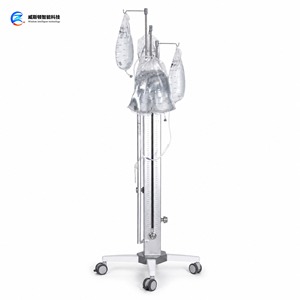
Mechanical Saline Infusion Stand with Metric Height Scale
- Laser-engraved metric height scale
- One-touch mechanical tension clutch
- Epoxy powder-coated cast iron base
- Dual folding utility hooks
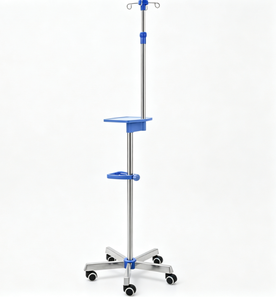
Heavy-Duty Five-Leg Mobile Stainless Steel Infusion Stand
- 5-Spoke anti-tilt weighted footprint
- Supports up to 4 peristaltic pumps
- Twin medical-grade non-marking casters
- Seamless hygiene electro-polishing

3-Function Electric ICU Bed Unit with Telescopic IV Pole
- 250KG Dynamic safe working load
- Cast aluminum main structural chassis
- Integrated heavy IV pole receiver ports
- Central braking silent castor setup
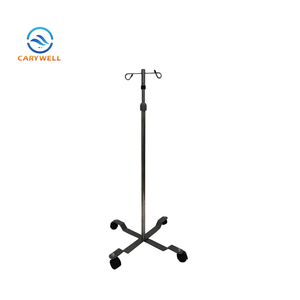
Stainless Steel Clinical IV Pole Stand with 4 Lockable Castors
- Corrosion-proof 304 stainless tube
- 4 Lockable anti-wrap swivel castors
- Ergonomic push handle attachment
- Multi-directional drip bag hooks
Executive Overview: Engineering Criteria for Modern Infusion Support Systems
In modern critical care, acute hospital wards, and specialized surgical environments, the medical infusion stand is far more than a passive hook arrangement. It represents a vital interface in intravenous fluid delivery, patient mobilization, and automated infusion pump management. Founded in 1987 in Ahmedabad, India, Gita Mediquip Pvt. Ltd. (Biotric Medical) has spent over three decades establishing international benchmarks in hospital furniture manufacturing. Operating from advanced ISO-certified facilities spanning Narol and Bareja, our enterprise delivers high-precision OEM and ODM solutions to premier healthcare institutions globally, including Apollo Hospitals, Zydus Hospitals, HCG Hospitals, and Manipal Hospitals.
Compliance with strict international standards—most notably IEC 60601-2-52 for medical electrical furniture safety and ISO 13485:2016 quality management systems—demands rigorous mechanical engineering. An IV pole must maintain tip-over stability under asymmetric payload stress (such as mounting multiple heavy syringe drivers or volumetric infusion pumps), withstand aggressive chemical decontamination regimens, and offer fluid micro-adjustment mechanisms that eliminate accidental vertical drops.
Metallurgical Selection & Physics of Anti-Tipping Stability
Material selection directly dictates clinical lifespan, infection control compliance, and environmental safety. Gita Mediquip utilizes specialized cold-rolled close-annealed (CRCA) steel, passivated Grade 304/316 stainless steel, non-ferrous aluminum alloys, and high-impact ABS composites engineered for specific healthcare zones.
| Material / Structural Alloy | Tensile Strength (MPa) | Corrosion Resistance | Clinical Area Suitability | Magnetic Permeability (µ) |
|---|---|---|---|---|
| AISI 304 Stainless Steel | 515 - 620 | Exceptional (Passivated) | General Wards, ICUs, Emergency Rooms | 1.008 (Non-magnetic baseline) |
| AISI 316 Surgical Stainless | 580 - 680 | Superior (Chloride resistant) | Operation Theatres, Isolation Wards | 1.004 (Ultra-low permeability) |
| Non-Magnetic MRI Alloy | 310 - 450 | High (Anodized finish) | 3.0 Tesla MRI Diagnostic Suites | 1.0000 (Purely Non-Ferrous) |
| Heavy-Gauge ABS Metal Composite | 45 - 75 | Total Chemical Inertness | Bedside Attachment & Shrouds | 1.0000 (Dielectric insulator) |
Dynamic Tip-Over Physics: Per ISO 60601-2-52 Clause 201.9.4, IV poles must withstand a 10-degree incline plane test while fully extended and loaded with maximum rated payload (up to 30 kg across 4 hooks). Our 5-leg cast-weighted bases depress the center of gravity (CG) to within 180mm of the floor level, neutralizing rotational tipping moments induced when clinical staff rapidly transport infusion systems across threshold transitions.
Future Procurement Trends in Infusion Support Systems
Industry Development Trends: Engineering Technological Roadmap
The medical hardware sector is undergoing rapid evolution driven by miniaturized clinical electronics and ergonomics. Historical IV stands often suffered from chrome flaking, cast iron base rusting, and unstable wheel bearings. Modern engineering solves these vulnerabilities through advanced manufacturing processes:
- Automated Robotic TIG Welding: Eliminates micro-porosity in joint welds, preventing moisture ingress and bacterial colonization inside the vertical tube assembly.
- Passivation Electro-Polishing: Removes free iron atoms from stainless steel surfaces, creating a chromium oxide passive layer that withstands salt-spray testing for over 500 hours.
- Precision Swivel Castor Technology: Utilizing sealed precision ball bearings housed within anti-hair-wrap nylon shells ensures smooth mobility without accumulating lint or surgical threads.
- Specialized Veterinary & Pediatric Configurations: Dual oxygen chamber integration and cage-mounting assemblies tailored for high-intensity veterinary ICUs and neonatal care units.
Enterprise Advantage: Why Global Procurement Teams Partner with Gita Mediquip
Established in 1987, Gita Mediquip Pvt. Ltd. (Biotric Medical) represents the gold standard of Indian medical device manufacturing. Headquartered in Narol, Ahmedabad, with expansive production operations at Bareja, our enterprise brings unmatched manufacturing rigor to international hospital projects:
Frequently Asked Questions (FAQ)
Key technical and commercial inquiries answered for healthcare administrators, B2B importers, and medical procurement officers.
Our mobile IV poles undergo static and dynamic tilt testing on a 10-degree incline plane. By utilizing high-density 5-spoke weighted bases (cast iron or heavy steel core) combined with an optimized low center-of-gravity footprint, our stands resist tipping even when loaded with multiple volumetric pumps extended to their maximum height of 2150mm.
Chrome-plated mild steel is prone to flaking, rusting, and peeling over time when exposed to harsh hospital disinfectants (such as sodium hypochlorite or quaternary ammonium compounds). Grade 304 stainless steel is an austenitic chromium-nickel alloy that provides solid corrosion resistance throughout the entire metal wall, ensuring zero flaking, superior hygiene, and decades of operational life.
Yes. Our non-magnetic MRI-dedicated IV poles are constructed entirely from specialized non-ferrous alloys, brass fittings, and synthetic composites with a magnetic permeability rating of µ = 1.0000. They have been rigorously tested to ensure zero magnetic attraction force and zero torque in strong 1.5T and 3.0T static magnetic field environments.
Absolutely. As an original equipment manufacturer (OEM), Gita Mediquip manufactures bed-integrated IV poles with custom shaft diameters, quick-release socket pins, and telescoping lengths designed to fit into standard 25mm to 32mm bed corner sockets across electric ICU beds, Fowler beds, and transport stretchers.
For standard catalog models, our typical B2B MOQ is 20 units (or consolidated container loads with hospital beds and bedside lockers). Production lead time ranges from 15 to 25 business days depending on order volume and custom OEM specifications. Contact our export department for expedited project timelines.
Every shipment is accompanied by a Certificate of Analysis (COA), ISO 13485 quality compliance certificate, and CE conformity documentation. We provide a comprehensive 12-to-24 month factory warranty covering structural metal welds, height clutch mechanisms, and castor wheel assemblies.
Partner with India's Premier Hospital Furniture Exporter
Whether you are outfitting a multi-specialty ICU facility, tendering for government healthcare projects, or seeking reliable B2B OEM manufacturing, our engineering team is ready to assist.