Featured Clinical Storage Cabinet Solutions
Explore our factory-direct range of medical laboratory storage, dental modular cabinets, RFID smart bedside lockers, and chemical safety enclosures.
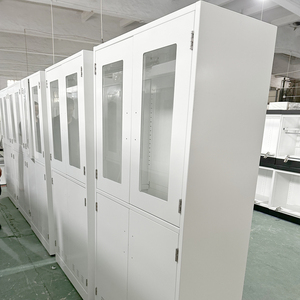
Lab Furniture Price School Laboratory Equipment Medical Cabinet
Application: School & Medical Labs
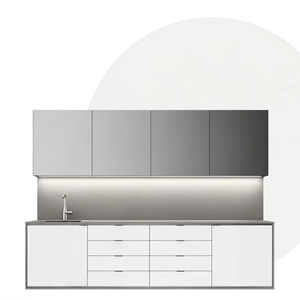
Professional Dental Medical Clinic Cabinet With Sink - Modular Stainless Steel
Feature: Modular Clinical Layout
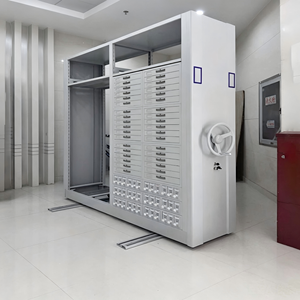
Lab Microscope Slide & Paraffin Block Storage Mobile Compactor Cabinet
Mechanism: Hand-Push Mobile Compactor
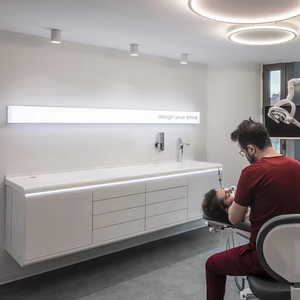
Custom Dental Cabinet Furniture For Clinics With Modular Storage System
Surface: Anti-bacterial Coating
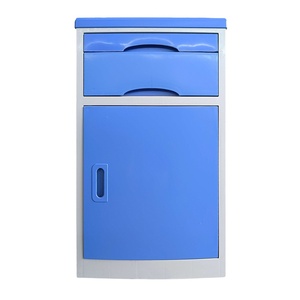
Modern ABS Plastic Hospital Bedside Locker & Multi-Purpose Cabinet
Mobility: Swivel Castors / Towel Rail
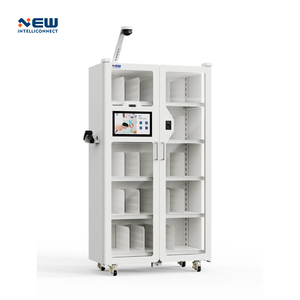
Intelligent Scan-Code Management Auxiliary Cabinet for Low-Value Consumables
Function: Automated SPD Inventory Track
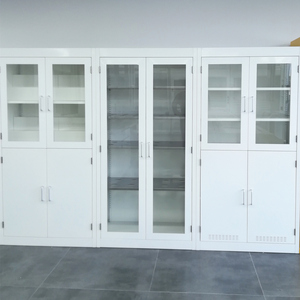
Steel Laboratory Grade Chemical Storage Cabinet with Epoxy Resin Coating
Coating: Heavy-Duty Epoxy Resin
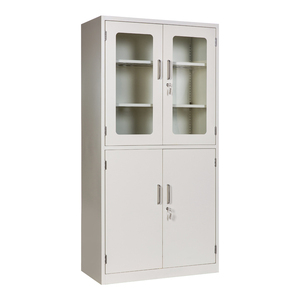
Modern Hospital & Lab Steel Storage Cabinet for Medicine & Biological Samples
Structure: Reinforced Steel Frame
Engineering Next-Generation Medical Storage Systems
A Comprehensive Technical & Sourcing Report for Hospital Administrators, Laboratory Directors, and Healthcare Procurement Executives.
Modern healthcare facilities no longer view medical storage cabinets as passive steel boxes. In 2026 and beyond, clinical storage infrastructure is evaluated on three core vectors: Infection Prevention Efficiency (Zero-Ledge Ergonomics & Anti-Microbial Coatings), SPD Inventory Automation Integration (RFID & Scan-Code Tech), and TCO (Total Cost of Ownership) Material Lifespan.
ISO 13485 & CE Quality Compliance
Our OEM factory operations operate strictly under ISO 13485 (Medical Devices) and ISO 9001 quality management systems. Every cabinet undergoes rigorous salt-spray testing, structural load validation, and emissions auditing before export.
Robotic Manufacturing Precision
Utilizing CNC fiber laser cutters, Japanese OTC robotic welding arms, and automated continuous powder coating lines, we guarantee dimensional tolerances within ±0.1mm for perfect modular fitment in modern operating theaters and labs.
Tailored OEM & ODM Customization
From custom 304/316L stainless steel sink integration to custom dimensions, electronic biometric locking, and custom RAL color electrostatic powder coatings, we adapt to exact hospital architectural blueprints.
Medical Storage Cabinet Engineering Matrix
A technical evaluation guide comparing core manufacturing materials utilized in medical and laboratory grade cabinet production.
| Material Type | Structural Composition | Chemical & Corrosion Resistance | Optimal Clinical Deployment | Maintenance & Lifecycle |
|---|---|---|---|---|
| AISI 304 Stainless Steel | 18% Cr / 8% Ni Austenitic Alloy | Exceptional resistance to disinfectants, iodine & organic solvents | Operating Rooms (OR), Dental Clinics, CSSD Sterilization Units | 25+ Years; Fully autoclavable, non-porous hygienic surface |
| Epoxy Coated CRCA Steel | Cold-Rolled Close-Annealed Steel Sheet (1.0-1.5mm) | High resistance to mild acids, alkali, scratch-resistant powder coat | Pharmacy Storage, Ward Cabinets, General Laboratory Units | 15-20 Years; Requires intact powder coat seal; easy to clean |
| Medical Grade ABS Plastic | High-Impact Acrylonitrile Butadiene Styrene | Impervious to water, non-rusting, resistant to hospital grade wipes | Bedside Lockers, Mobile Auxiliary Carts, Patient Room Furniture | 10-15 Years; Lightweight, non-denting impact resistance |
| Epoxy Resin Coated Heavy Steel | Structural Galvanized Steel with 80+ Micron Coating | Extreme acid/base fumes, concentrated chemical splash resistance | Chemical Storage Safes, Pathology Labs, Fume Hood Bases | 20+ Years; Engineered for SEFA 8 laboratory compliance |
Future Procurement Trends in Medical Storage Systems
Analyzing key market transitions shaping how procurement managers and hospital architects select medical storage furniture over the next decade.
1. Shift Toward Smart SPD (Supply, Processing & Distribution) Logistics
Hospitals are transitioning from manual stock management to automated inventory tracking. Cabinets equipped with barcode scanning and high-frequency RFID tags allow real-time monitoring of consumable usage, automatic restocking alerts, and shrinkage reduction for both high-value pharmaceuticals and low-value medical supplies.
2. Infection Control & Zero-Ledge Cleanroom Designs
Nosocomial infection prevention (HAI mitigation) is directly influencing cabinet joinery and edge designs. Procurement teams prioritize seamless laser-welded joints, sloped tops to prevent dust accumulation, recessed handles to eliminate snagging, and silver-ion infused anti-microbial powder coatings that continuously inhibit bacterial growth.
3. Modular Standardization & ISO-Tray Interchangeability
Modern healthcare architecture favors modular standard units (such as 600x400mm ISO baskets and trays). Cabinets designed with internal side panels supporting tiltable, extendable ISO modules allow seamless transfer of medical supplies from central warehouse carts directly into operating rooms and ward storage units without manual repacking.
4. High-Density Archival Storage Optimization
With tissue diagnostic samples, paraffin wax blocks, and pathology slides requiring mandatory 10-to-30 year storage retention by law, hospitals are investing heavily in space-saving hand-push and motorized mobile compactors. These systems double archival storage capacity within existing laboratory square footage.
Technological Development Trends in Medical Storage
How advanced manufacturing, smart IoT electronics, and material engineering are redefining the medical cabinet industry.
IoT & Biometric Security Locks
Eliminating traditional key management, next-gen medical cabinets integrate IC card readers, fingerprint biometrics, and electronic keypad locks linked to hospital LDAP networks. Every cabinet opening is timestamped, ensuring strict compliance for controlled substance (narcotics) storage.
Active Ventilation & HEPA Air Purification
Chemical storage cabinets for pathology and biological labs feature built-in ductless carbon filtration and HEPA micro-climate circulation. They safely absorb toxic volatile organic compounds (VOCs) and formalin vapors, protecting laboratory staff from chemical exposure.
Durable Ergonomic Modular Accessories
Incorporating soft-close hydraulic hinges, full-extension ball-bearing drawer slides, integrated stainless steel sinks, and dampener bumpers ensures silent operation in intensive care units (ICUs) and operating rooms where acoustics matter.
Frequently Asked Questions (FAQ)
Direct answers to common technical, commercial, and regulatory questions asked by international healthcare buyers.
What international quality certifications should a China medical storage cabinet factory possess?
A qualified OEM/ODM factory must hold ISO 13485 (Medical Devices Quality Management) and ISO 9001 certifications. For chemical safety and electrical components (such as RFID or motorized compactors), CE compliance and SEFA 8 laboratory standard verification are critical for international market authorization.
How does 304 Stainless Steel compare to Epoxy Powder-Coated Steel for hospital cabinets?
AISI 304 Stainless Steel offers superior chemical inertness, making it mandatory for surgical operating rooms, dental clinics with integrated sinks, and CSSD sterilization areas requiring constant washdowns. Epoxy powder-coated CRCA steel is cost-effective, extremely durable, and ideal for pharmacy storage, general hospital wards, and administrative clinical spaces.
Can medical storage cabinets be customized to fit specific hospital floor plans?
Yes. As a premier China manufacturer, we provide complete OEM/ODM customization based on architectural CAD or BIM drawings. This includes customizable dimensions, drawer dividers, integrated sink basins, specialized glass door panels, and custom lock configurations.
How does smart barcode scanning work in auxiliary hospital cabinets?
Smart scan-code auxiliary cabinets integrate an embedded optical scanner or RFID antenna array connected to a central control unit. When a nurse or technician removes a consumable item, the system automatically logs the item ID, time, and user credential, updating the hospital’s ERP/SPD database seamlessly.
What packaging protocols are used to protect medical cabinets during sea freight export?
All export shipments utilize heavy-duty 5-ply corrugated master cartons reinforced with honeycomb corner protectors, PE stretch film wrapping to block moisture, and custom fumigation-free wooden crates or pallets for LCL and FCL transit safety.
Partner with China's Premier Medical Cabinet Factory
Get complete technical catalogs, CAD drawings, compliance certificates, and factory-direct wholesale pricing for your hospital project.