High-Performance Medical Instrument & Clinical Furniture Portfolio
Engineered to exceed ISO 13485 and IEC 60601-2-52 critical care safety standards for modern operating theatres and ICU wards.
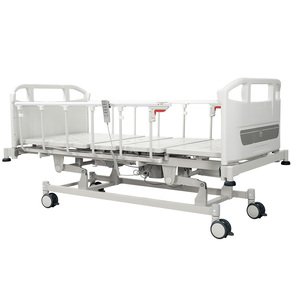
YXZ-C3(y302) 3-Function ICU Electric Hospital Bed Factory Medical Bed ABS/Steel/Metal Manual ICU Bed ISO Certified
- Heavy-duty 1.2mm CRCA steel frame
- Linear actuator motor system
- ABS fold-down safety side rails
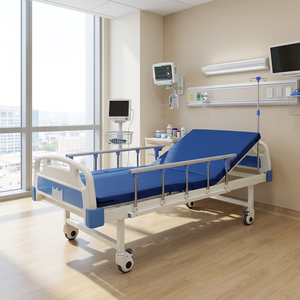
Bestselling High-quality Hospital Electric 2-function Beds With A 5-year Warranty
- 5-Year OEM structural warranty
- Epoxy anti-microbial powder coating
- Central braking castor system
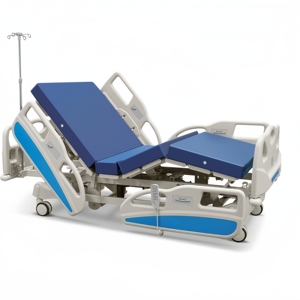
Cama Clinica Medical Patient Bed 5 Function ICU Electric Hospital Bed with Mattress
- Full Trendelenburg / Reverse positioning
- Integrated medical-grade mattress
- One-touch emergency CPR lever
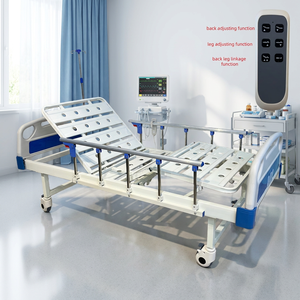
China's Best-selling Dual Function Electric Hospital Bed, Medical Bed Manufacturer Direct Sales
- Direct wholesale factory pricing
- High safe working load (SWL 250kg)
- Detachable ABS head/foot boards
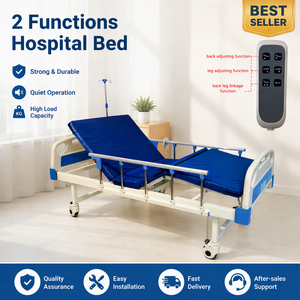
2 Function Electric Hospital Bed Multifunction Medical Patient Bed Back Leg Linkage Side Rails CE ISO13485 Factory Wholesale
- Synchronized back & leg linkage
- Seamless anti-entrapment side rails
- Dust-proof linear push rods
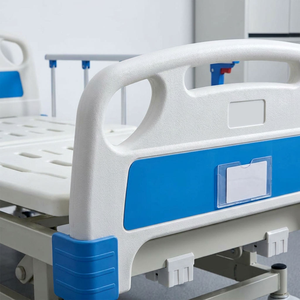
Medical Grade 3 Function Electric Hospital Bed With 1.2mm Steel Frame For Hospital Ward And Patient Nursing Care
- Reinforced cold-rolled steel base
- Smooth height adjustment range
- Bumper wheels on 4 corners
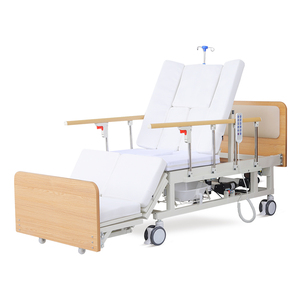
Multi-functional Electric Nursing Bed with Automatic Lateral Turning Flip for Home Care Paralyzed Elderly Medical Hospital Bed
- Automated scheduled lateral tilting
- Built-in commode opening mechanism
- Prevents bedsores & pressure ulcers
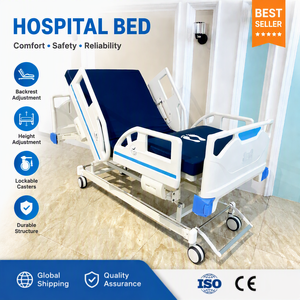
Hot Sale 5-Function Electric Medical Hospital Bed ABS Frame Height Adjustable Patient Bed CE ISO13485 OEM Available 5-Year
- Full digital hand control pendant
- IPX4 liquid protection rating
- Custom color & brand labelling
2026–2032 Industry Evolution: Medical Instrument Trolley & Clinical Equipment Dynamics
The global medical equipment procurement landscape is undergoing a structural paradigm shift driven by stringent infection control mandates, ergonomics, and smart IoT connectivity.
1. Smart IoT & Real-Time Tracking Integration
Modern hospital administration demands active asset monitoring. Advanced medical trolleys and ICU beds are now manufactured with integrated Bluetooth Low Energy (BLE) and RFID tags. This allows central hospital management software to track instrument carts, anesthesia stations, and emergency crash carts across multi-story clinical complexes in real time, reducing asset loss by up to 34%.
2. Infection Control & Silver-Ion Metallurgy
Nosocomial infections (HAIs) place a multi-billion-dollar burden on healthcare networks. Leading Chinese manufacturers are transitioning from conventional paint finishes to electro-statically applied silver-ion antimicrobial coatings and seamless SUS304/SUS316L stainless steel laser welding. Smooth joints eliminate microscopic bacterial harboring zones, withstanding aggressive chemical disinfectants like Peracetic Acid and Hydrogen Peroxide Vapor (HPV).
3. Modular Ergonomics & Silent Mobility Systems
Caregiver fatigue and occupational strain are primary concerns in high-stress surgical suites. Future-proof medical trolleys feature ultra-lightweight aluminum-alloy framing combined with German-engineered TPR (Thermo-Plastic Rubber) precision ball-bearing castors. These deliver sub-45dB silent movement, anti-static grounding compliance, and effortless 360-degree maneuverability across ICU floorings.
Information Gain Insight: The Shift Toward Total Cost of Ownership (TCO)
Hospital procurement officers are moving away from evaluating initial purchase price alone. Modern B2B sourcing protocols score vendors on 10-year Total Cost of Ownership (TCO), accounting for spare parts availability, modular component swapability, corrosion resistance guarantees, and compliance with IEC 60601-2-52 structural rigidity standards.
Metallurgical & Structural Benchmarking: OEM Standard vs. Low-Cost Alternatives
Understanding the engineering distinctions between premium ISO-certified manufacturing and market-grade medical equipment.
| Evaluation Parameter | Tier-1 China OEM Standard (Gita Mediquip Spec) | Standard Market Grade | Clinical Impact & Value |
|---|---|---|---|
| Primary Steel Frame Grade | 1.2mm - 2.0mm High-Tensile CRCA Steel / SUS304 SS | 0.8mm - 1.0mm Mild Steel Pipe | Zero Frame Distortion under 250kg load |
| Surface Protection | Antibacterial Silver-Ion Nano Epoxy Powder (99.9% E.coli resist) | Standard Synthetic Spray Paint | Prevents rust & cross-contamination during HPV sterilization |
| Castor & Braking System | 125mm Medical-Grade TPR Wheels with Central Brake | 75mm PVC Single Wheels | Silent gliding (<45dB), anti-hair wrapping, vibration damping |
| Welding Integrity | Full Robotic TIG Seamless Continuous Welding | Manual Spot Welding | Eliminates structural fatigue cracks; structural lifespan > 15 Years |
| Electrical Actuation (Beds) | IPX4 Waterproof Silent Actuator (Dewert / Linak compliant) | Unbranded Industrial Actuator | Ultra-quiet operation (<50dB), smooth emergency CPR descent |
| Regulatory Certification | CE, ISO 13485, ISO 9001, ISO 14001, ISO 45001, IEC 60601-2-52 | Basic Commercial ISO 9001 Only | Fully compliant with international hospital audit requirements |
Enterprise Authority & Manufacturing Excellence
Built upon 35+ years of clinical furniture innovation, adherence to international quality protocols, and ethical stewardship.
Industrial Scale & Customization
Operating multi-unit manufacturing facilities equipped with automated laser cutting centers, CNC tube benders, and robotic welding lines. We deliver customized OEM/ODM solutions tailored to exact hospital architectural drawings and tender technical specifications.
Rigorous Quality Management
Holding comprehensive ISO 13485 (Medical Devices), ISO 9001 (Quality Management), ISO 14001 (Environmental), ISO 45001 (Occupational Health), ISO 50001 (Energy Management), and CE compliance. Every finished lot undergoes dynamic weight deflection, castor endurance, and environmental chamber testing.
The SEER Sustainability Framework
Our manufacturing operations follow the SEER commitment: Socially Responsible labor practices, Ethically Operated supply chains, Environmentally Sustainable low-VOC powder coating processes, and Responsible Business governance trusted by major hospital networks worldwide including Apollo, Zydus, and HCG.
Global B2B Procurement Risk Mitigation Guide
Step-by-step verification methodology for hospital procurement committees and medical equipment importers sourcing from China.
Phase 1: Factory Audit & Raw Material Traceability
Verify that your OEM partner maintains mill test certificates (MTC) for all steel batches. Ensure that stainless steel components utilize genuine AISI 304 (18/8 chromium-nickel ratio) or 316L grade, rather than low-cost 201 series alloys which corrode rapidly under hospital chemical cleaning regimes.
Phase 2: Weld Integrity & Load Testing Verification
Require third-party structural load test reports according to IEC 60601-2-52 clause 201.9.8. Dynamic testing should prove that the Safe Working Load (SWL) remains stable at 1.5x nominal rating for 10,000 continuous elevation cycles without mechanical deformation or actuator overheating.
Phase 3: Logistics & Knock-Down (CKD) Packaging Optimization
To reduce international freight overheads by up to 40%, ensure your vendor provides specialized Completely Knocked Down (CKD) or Semi-Knocked Down (SKD) high-density ocean freight packaging. Frames must be protected with anti-scratch PE film and heavy-duty 5-ply corrugated export master cartons.
Phase 4: After-Sales & Modular Spare Parts Guarantee
Contractually secure a minimum 5-year structural warranty and a 10-year guaranteed availability window for critical wear-and-tear replacement items, including castor bearings, linear push-rod actuators, side rail latch pins, and digital handset pendants.
Frequently Asked Questions (FAQ) for B2B Buyers
Expert technical answers addressing regulatory compliance, manufacturing capabilities, and international supply chain logistics.
What structural materials are best for medical instrument trolleys in operating theatres?
For sterile environments such as Operating Theatres (OT) and Intensive Care Units (ICU), Grade 304 or Grade 316L Stainless Steel with an electropolished finish is highly recommended. Stainless steel provides maximum resistance against pitting corrosion from iodine, chlorine-based disinfectants, and steam sterilization. For general ward transport, high-grade CRCA steel coated with silver-ion antibacterial epoxy powder provides an economical yet durable alternative.
What certifications should international buyers require when sourcing hospital furniture from China?
Essential international compliance includes ISO 13485 (Medical Devices Quality Management System), ISO 9001 (General QMS), CE mark compliance under MDR 2017/745, and IEC 60601-2-52 safety testing for electrically operated patient beds. Environmental management compliance like ISO 14001 and ISO 45001 further ensures manufacturing consistency and ethical factory standards.
Can Chinese medical trolley manufacturers accommodate OEM branding and custom dimensional modifications?
Yes. Tier-1 manufacturers offer full OEM and ODM capabilities. This includes custom laser-engraved branding, tailored drawer configurations, specialized accessory mounting tracks (such as IV pole clamps, oxygen cylinder holders, and sharps box brackets), as well as custom powder-coat pantone matching to align with hospital interior branding.
What is the standard lead time for container-load hospital project orders?
Standard lead time for a 20ft or 40ft High Cube container order (approx. 150–300 bed units or 400+ instrument trolleys) ranges between 20 to 35 calendar days following drawing approval and deposit confirmation. Expedited production lanes are available for emergency medical facility setups.
How are medical trolleys and beds protected against damage during ocean freight transit?
Units are wrapped in anti-static moisture-barrier bubble film, fitted with corner edge protectors, and encased in heavy-duty 5-ply export cartoning. For high-precision electronic ICU beds or delicate stainless steel instrument carts, heat-treated fumigated wooden crates or steel-banded palletizing are utilized to guarantee zero structural damage upon port arrival.
How can procurement teams initiate a direct quote or factory audit request?
Buyers can submit project specifications, bill of materials (BOM), or tender documents directly via our digital enquiry gateway. Our engineering export team will provide detailed FOB/CIF pricing, technical datasheets, CAD drawings, and factory audit scheduling within one business day.
Partner with China's Premier Medical Equipment Manufacturer
Equip your hospital projects with certified, durable, and ergonomically superior clinical furniture. Contact our dedicated engineering team for factory-direct wholesale pricing and OEM consultations.