Featured ICU & Surgical Ward Equipment Portfolio
Engineered to international medical device standards (ISO 13485, CE Mark, IEC 60601-2-52) with high-grade CRCA steel frameworks and precision motorized positioning.
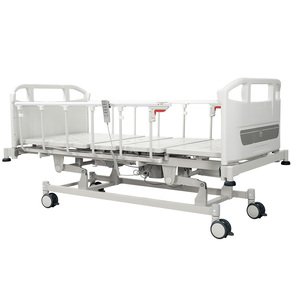
YXZ-C3(y302) 3-Function ICU Electric Hospital Bed Factory Medical Bed ABS/Steel/Metal Manual ICU Bed ISO Certified
Get Catalog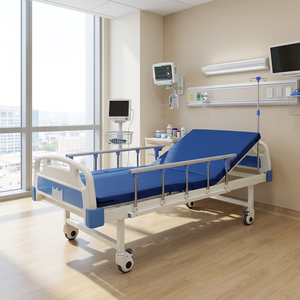
Bestselling High-quality Hospital Electric 2-function Beds With A 5-year Warranty
Get Catalog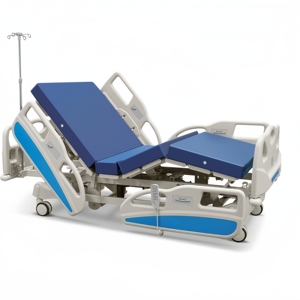
Cama Clinica Medical Patient Bed 5 Function ICU Electric Hospital Bed with Mattress
Get Catalog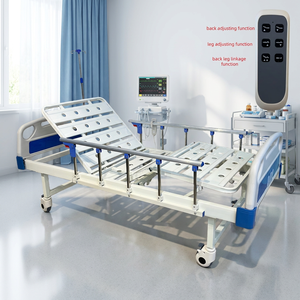
China's Best-selling Dual Function Electric Hospital Bed, Medical Bed Manufacturer Direct Sales
Get Catalog
2 Function Electric Hospital Bed Multifunction Medical Patient Bed Back Leg Linkage Side Rails CE ISO13485 Factory Wholesale
Get Catalog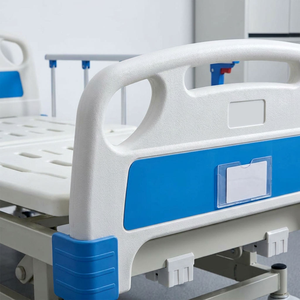
Medical Grade 3 Function Electric Hospital Bed With 1.2mm Steel Frame For Hospital Ward And Patient Nursing Care
Get Catalog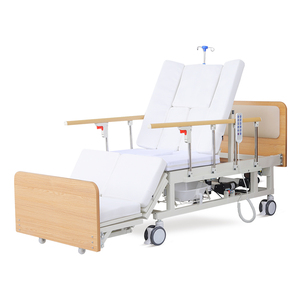
Multi-functional Electric Nursing Bed with Automatic Lateral Turning Flip for Home Care Paralyzed Elderly Medical Hospital Bed
Get Catalog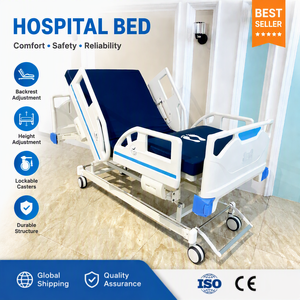
Hot Sale 5-Function Electric Medical Hospital Bed ABS Frame Height Adjustable Patient Bed CE ISO13485 OEM Available 5-Year
Get Catalog1. Executive Summary: Architectural Synergy in Critical Care & OR Workstations
Modern healthcare infrastructure development demands a unified approach to clinical ergonomics, patient safety, and workflow efficiency. As surgical procedures grow increasingly complex and Intensive Care Units (ICUs) demand immediate accessibility to high-density medical gases, data connectivity, and power delivery systems, the role of Ceiling Medical Pendants and Smart ICU Electric Beds has shifted from auxiliary furniture to mission-critical architectural assets.
Leading hospital procurement teams, biomedical engineering departments, and facility planners evaluate medical equipment suppliers based on dynamic criteria: dynamic load safety factors, pneumatic braking performance, gas terminal isolation, electro-magnetic compatibility (IEC 60601-1), and total cost of ownership (TCO). China’s manufacturing ecosystem, anchored by ISO 13485 and CE-certified direct production plants, offers unprecedented technological parity with Western brands while reducing capital expenditures by up to 40%.
High Information Gain Insight: Structural Overhead Load Limits
A standard dual-arm surgical ceiling pendant experiences operational cantilever forces exceeding 6,000 N·m under full load (including video management consoles, electro-surgical generators, and infusion pumps). Partnering with manufacturers capable of delivering structural ceiling mounting plates with a minimum 4:1 safety factor (FOS) is essential to pass international JCI and NABH audit safety criteria.
2. Engineering Classification of Medical Ceiling Pendants & Integrated Ward Furniture
Medical ceiling pendants eliminate floor cable clutter, prevent bio-fluid contamination on ground surfaces, and maintain an ultra-clean laminar airflow pattern around surgical fields and patient heads. Below is an engineering breakdown of primary pendant configurations:
Single & Dual-Arm Surgical Pendants
Designed for Operating Theatres (OT), surgical pendants feature 340-degree swivel articulation across double friction-braked arms. They provide high-load shelves for laparoscopic stackers, high-frequency surgical units, and medical gas outlets (O2, Vacuum, Air 4 bar, N2O, EVAC).
Anesthesia Ceiling Pendants
Positioned at the head of the operating table, these units integrate high-flow nitrous oxide and oxygen delivery lines, AGSS (Anaesthetic Gas Scavenging Systems), low-voltage RS485/RJ45 data ports for patient monitoring, and pneumatic lift mechanisms to raise anesthesia machines off the cleanroom floor.
ICU Ceiling Bridge Systems (Dry/Wet Separation)
In intensive care settings, ceiling bridge pendants span the patient bay, providing distinct physical separation between the "Wet" side (infusion pumps, IV drip racks, suction units) and the "Dry" side (physiological monitors, ventilator interfaces, electrical sockets). This physical segregation prevents cross-contamination and streamlines nursing workflows.
Technical Specification Matrix: Pendant & Ward Equipment Systems
| Equipment Category | Primary Structural Material | Load Capacity (Payload) | Gas Outlet Standards Supported | Key Regulatory Compliance |
|---|---|---|---|---|
| Dual-Arm Surgical Pendant | High-Strength Extruded Aluminum Alloy (6063-T6) | Up to 300 kg | DIN, BS, AFNOR, OHMEDA, DISS | CE MDR, ISO 13485, IEC 60601-1 |
| Motorized ICU Lift Pendant | Heavy-Gauge Anodized Aluminum + CRCA Steel | 180 - 250 kg | O2, Vacuum, Air 4/7 Bar, EVAC | CE, ISO 13485, RoHS compliant |
| 5-Function Electric ICU Bed | 1.2mm Cold-Rolled Steel Frame & ABS Side Rails | 250 kg Safe Working Load | N/A (Built-in IV Sockets & Central Brake) | IEC 60601-2-52, ISO 9001, CE |
| Multi-Function Nursing Bed | Epoxy Powder-Coated Steel Frame | 200 kg Working Capacity | Optional Saline Pole Attachment | ISO 13485, ISO 14001, ISO 45001 |
3. Future Procurement Trends for Medical Pendants & ICU Infrastructure (2026–2030)
The global medical pendant and critical care bed market is undergoing a structural transition driven by digital technology integration, strict infection control protocols, and energy-efficient hospital design guidelines. B2B procurement managers must anticipate these four core industry trends:
Trend 1: Smart IoT Telemetry & Ethernet-Over-Pendant Routing
Modern hospital construction projects no longer treat pendants purely as physical mechanical arms. Next-generation ceiling pendants are factory-fitted with integrated Fiber-Optic Pass-Throughs, 4K Video Signal Cables (HDMI 2.1 / DisplayPort), and shielded Cat6A Ethernet lines. These allow seamless real-time data streaming from surgical endoscopes directly to hospital EHR systems and remote tele-surgery suites without introducing latency or electromagnetic interference.
Trend 2: Seamless Integration of Automated Lateral Turning Beds with Overhead Bridges
To reduce nursing physical strain and eliminate pressure ulcers (bedsores) in long-term ICU patients, hospitals are standardizing the deployment of Electric Nursing Beds with Automatic Lateral Turning Flips alongside overhead medical bridge pendants. The automated turning bed periodically alters patient angle (up to 30-45 degrees), while the ceiling bridge ensures that critical ventilation lines and IV catheters maintain constant, tension-free alignment during movement.
Trend 3: Antimicrobial Nano-Coating Powder Finishes
Hospital-acquired infections (HAIs) cost healthcare networks billions annually. Premier Chinese manufacturers are implementing specialized silver-ion impregnated epoxy powder coatings on all metallic pendant arms, ICU bed frames, and bedside lockers. This chemical formulation inhibits bacterial surface colonization (including MRSA and E. coli) by 99.9% over a 24-hour cycle, sustaining compliance with ISO 22196 standards.
Trend 4: Sustainable Eco-Manufacturing & ISO 50001 Energy Management
Environmental, Social, and Governance (ESG) criteria have entered hospital procurement matrixes. Leading exporters utilize robotic laser cutting, energy-conserving automated welding cells, and closed-loop liquid recovery system powder-coating plants certified under ISO 14001 (Environmental Management) and ISO 50001 (Energy Management).
4. Global Industry Development & Manufacturing Excellence
Manufacturing critical care equipment requires rigorous metallurgical engineering, precise mechanical tolerances, and uncompromised quality assurance. Our manufacturing plants bring over 35 years of engineering heritage, operating under the comprehensive SEER Philosophy:
- Socially Responsible: Supporting healthcare infrastructure development across emerging markets, supplying durable equipment that lowers mortality rates in intensive care environments.
- Ethically Operated: Full supply chain transparency, ensuring non-conflict raw materials, fair labor standards, and honest export pricing without hidden tariffs.
- Environmentally Sustainable: ISO 14001 certified eco-friendly manufacturing, minimizing carbon footprints during steel fabrication and plastic molding.
- Responsible Business: Maintaining ISO 45001 occupational health standards and ISO 9001 quality management across every production lot.
This commitment to manufacturing rigor has earned the trust of over 500 prestigious hospital networks globally, including industry leaders such as Apollo Hospitals, Zydus Hospitals, HCG Hospitals, SAL Hospital, Manipal Hospitals, Apex Heart Institute, and Geetanjali Medical College & Hospital.
5. Comprehensive B2B Procurement FAQ (Frequently Asked Questions)
Ceiling pendants require a dedicated structural steel mounting plate (base flange plate) anchored directly to the building's reinforced concrete slab or structural I-beams. The structural ceiling must support both the static weight of the pendant and its maximum dynamic cantilever torque (typically calculated with a minimum 4:1 safety factor under IEC 60601-1 rules). False ceiling drops (plenum spaces) must be bridged using customized steel extension channels provided by the factory prior to cleanroom ceiling finishing.
Pneumatic braking systems utilize pressurized medical air (or dedicated technical air lines at 4-6 bar) to lock the arm friction plates instantly when the control handle button is released. They offer maximum holding torque and are ideal for heavy dual-arm surgical pendants carrying complex equipment. Electromagnetic brakes rely on 24V DC solenoid actuators; they are quieter and suited for dry ICU pendants where continuous technical compressed air supply might be restricted.
5-Function electric ICU beds offer motorized control over Backrest Elevation, Knee-Rest Elevation, Overall Bed Height (Hi-Lo), Trendelenburg, and Reverse Trendelenburg positioning. This versatility enables immediate CPR positioning (via a mechanical quick-release CPR lever), optimal pulmonary drainage, and safe patient transfer heights to minimize caregiver back injuries. Furthermore, integrated ABS side rails prevent accidental patient falls while conforming to IEC 60601-2-52 anti-entrapment gap clearances.
Yes. Factory production lines support all major international quick-connect terminal standards. Buyers can specify DIN 13260-2 (German standard), BS 5682 (British standard), AFNOR NF S 90-116 (French standard), OHMEDA, or DISS (North American standards) gas socket blocks. Each gas circuit undergoes hydrostatic pressure testing and helium leak detection prior to factory export dispatch.
To clear customs and pass hospital accreditation audits (such as JCI, NABH, or CE compliance checks), products must be manufactured in ISO 13485 (Medical Devices Quality Management) certified facilities. Electrical beds and motorized pendants must hold CE certification under the Medical Device Regulation (MDR) and meet IEC 60601-1 (General Electrical Safety) and IEC 60601-2-52 (Particular Requirements for Hospital Beds).
High-grade medical beds utilize precision laser-cut Cold-Rolled Close-Annealed (CRCA) steel tubing with a minimum wall thickness of 1.2mm to 2.0mm. The frame is treated with a multi-stage zinc phosphate pre-treatment followed by electrostatically applied anti-corrosion epoxy powder coating (70-90 micron thickness), ensuring resistance to harsh hospital disinfectant chemicals.
Yes. Full OEM and ODM services are available for multi-specialty hospital developments. Custom options include specific powder-coating RAL color schemes, customized pendant arm lengths (from 600mm up to 1200mm per arm), tailored electrical socket standards (Schuko, UK 13A, US NEMA, Universal), integrated digital timer displays, and custom branding logo plates on bed headboards.
Standard manufacturing lead times range from 15 to 30 business days depending on container volume. All ceiling pendants and electric beds are packed in heavy-duty export-grade fumigated wooden crates or reinforced corrugated cartons with interior EPE foam cradles, ensuring 100% protection against sea freight humidity, vibration, and drop impacts.
Ready to Request Engineering Specifications & Wholesale Quotations?
Contact our B2B export engineering department directly for comprehensive technical datasheets, CAD ceiling mounting diagrams, factory audit reports, and direct factory pricing.