Featured Clinical Care & Pressure Support Systems
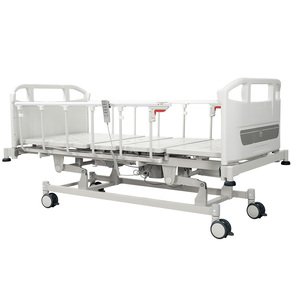
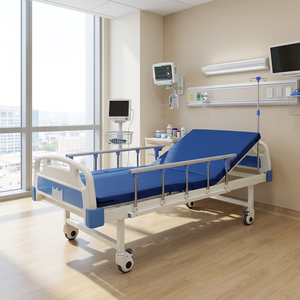
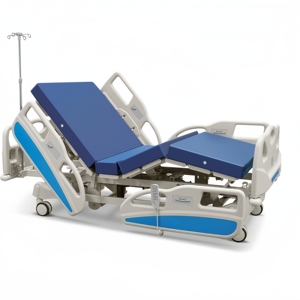
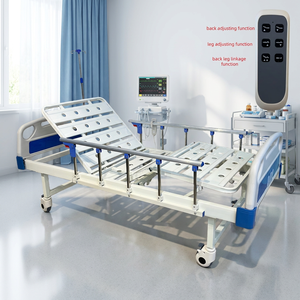
Direct factory supply of certified ICU electric beds, manual ward beds, and therapeutic support surfaces built to ISO 13485 and CE international standards.
Biomechanics of Decubitus Ulcer Prevention: Why Dynamic Air Systems Matter
Hospital-acquired pressure injuries (HAPIs) remain one of the most critical challenges in long-term critical care, intensive care units (ICUs), and geriatric nursing. When bedridden patients remain static for extended durations, localized tissue interface pressures frequently exceed the critical capillary occlusion threshold of 32 mmHg. This sustained mechanical compression restricts microvascular perfusion, inducing cellular hypoxia, accumulation of metabolic waste products, and rapid tissue ischemia that degenerates into Stage I through Stage IV pressure ulcers within hours.
As a leading China Anti Bedsore Air Mattress Manufacturer, our engineering focus centers on solving the fundamental biomechanical drivers of pressure injuries: tissue interface pressure, shear forces, friction, and microclimate (skin temperature and moisture accumulation). Advanced alternating pressure mattress (APM) systems dynamically shift pressure distribution across individual air cells, systematically restoring microvascular blood flow to vulnerable bony prominences such as the sacrum, ischial tuberosities, heels, and scapula.
Therapeutic Modalities: Alternating Pressure vs. Low Air Loss vs. Microclimate Management
Modern clinical procurement requires a multi-tiered approach depending on patient risk profiles (assessed via Braden or Waterlow scales). Leading manufacturing facilities in China have evolved from basic overlay pads to sophisticated full-replacement therapeutic surfaces combining three core technologies:
Scale, Quality Control & Global Compliance
TPU vs. PVC: The Polymer Standard in Modern Anti-Bedsore Manufacturing
When evaluating China anti-bedsore mattress suppliers, procurement directors must distinguish between low-cost PVC (Polyvinyl Chloride) overlays and medical-grade TPU (Thermoplastic Polyurethane) full mattress replacement systems. While PVC remains viable for basic home care overlays, high-occupancy hospital wards and ICUs demand TPU bladders for several engineering reasons:
| Performance Metrics | Medical-Grade Pure TPU / TPU Nylon | Standard PVC / Laminate PVC | Clinical Procurement Impact |
|---|---|---|---|
| Hydrolysis Resistance | Superior (No degradation under humidity) | Moderate (Prone to plasticizer leaching) | TPU doubles operational product lifespan in humid wards. |
| Flexibility & Cold Crack | Maintains softness down to -30°C | Becomes brittle below 5°C | Crucial for cold-chain shipping and unheated emergency response. |
| Biocompatibility (ISO 10993) | Phthalate-free, non-toxic, odor-free | Contains DEHP plasticizers | TPU eliminates toxic chemical exposure for fragile patients. |
| High-Frequency Seam Strength | Molecular thermal bonding (> 80 N/5cm) | Standard heat sealing (30-50 N/5cm) | Prevents catastrophic seam bursting during bariatric patient turns. |
| Environmental Recyclability | 100% Eco-friendly, biodegradable options | Hazardous incinerator waste | Aligns with international healthcare ESG procurement mandates. |
Microprocessor-Controlled Pump Units: Noise Suppression & Pressure Precision
The core engine of any therapeutic dynamic support surface is its electric pump unit. Premium Chinese manufacturers incorporate ultra-silent electromagnetic pumps operating below 20 dBA to prevent disruption of patient circadian sleep cycles, which are vital for physiological healing.
Key electronic safeguards engineered into modern pump consoles include:
- Digital Pressure Transducer Feedback: Real-time monitoring auto-adjusts cell pressure based on patient weight and backrest inclination angle (preventing bottoming out during Fowler positions).
- CPR Quick Release Valve: Deflates the entire mattress assembly within 15 seconds for rapid cardiac resuscitation procedures.
- Static Care & Transport Mode: Locks all air cells at maximum firm pressure for nursing procedures, patient transfer, or extended power outages.
- Visual & Audible Alarm Suite: Instant alerting for low pressure, power disruption, or quick-connector dislocation.
Future Procurement Trends in Hospital Bed & Anti-Bedsore Systems
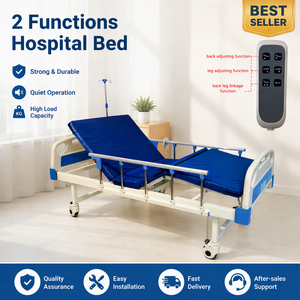
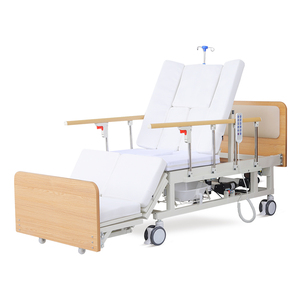
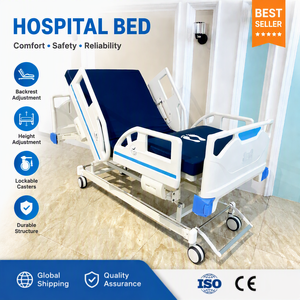
The global medical equipment market is undergoing a structural transition toward integrated smart beds. Hospital procurement boards are moving away from purchasing isolated mattresses and bed frames separately. Instead, they demand fully unified patient handling solutions where the electric hospital bed and dynamic pressure mattress interact via synchronized control systems.
Evaluating Chinese Factories: TCO & Quality Assurance Checklist
When selecting a Chinese manufacturing partner for anti-bedsore mattresses and hospital beds, overseas distributors and hospital groups must evaluate factories across five critical quality pillars:
1. ISO 13485 Cleanroom Assembly & RF Welding Lines: Ensure the factory maintains dedicated high-frequency welding machines for TPU cells, preventing micro-pinhole leaks that cause premature pressure drop.
2. 100% 24-Hour Inflation Holding Test: Top-tier manufacturers subject every single air cell bladder to a strict 24-hour pressure decay inspection prior to outer cover assembly.
3. Electrical Safety Compliance (IEC 60601-1 / IEC 60601-2-52): Pump units must comply with strict medical electrical safety, electromagnetic compatibility (EMC), and fire retardancy specifications (such as BS 7175 Crib 5 or CAL 117).
4. Modular Supply Chain & Replacement Parts Availability: A reliable OEM supplier provides modular spare parts—including plug-and-play quick connectors, individual cell bladders, and replacement PCB control boards—minimizing total cost of ownership (TCO).
Why Partner With Our Manufacturing Infrastructure
Combining over three decades of hospital furniture design with modern medical device manufacturing facilities.
Frequently Asked Technical & Sourcing Questions
Request Wholesale Pricing & Technical Specifications
Contact our engineering and export team today to receive detailed technical datasheets, factory direct quotations, or customized OEM proposals for your hospital project.