Featured Mortuary & Clinical Patient Transfer Systems
High-grade medical steel transfer stretchers engineered for ICU-to-morgue transit, forensic handling, and zero-lift ergonomic care.
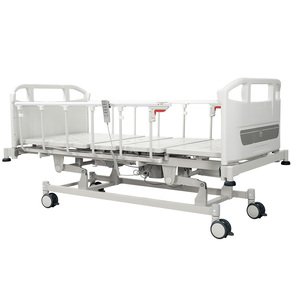
YXZ-C3 Multi-Function Electric Cadaver & Mortuary Bed
- Heavy-duty 1.2mm CRCA steel chassis
- Dual actuators for smooth elevation
- ISO 13485 & CE Certified build
- Load Capacity: 250 kg (550 lbs)
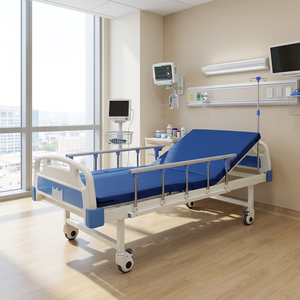
High-Durability 2-Function Hydraulic Transfer Stretcher
- 5-Year structural frame warranty
- Foot-pedal hydraulic height adjustment
- Integrated drop-down side rails
- Central locking 150mm casters
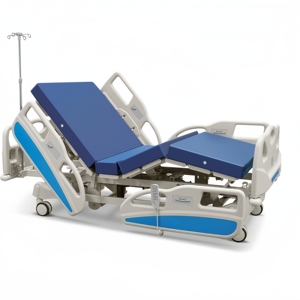
Cama Clinica 5-Function ICU & Mortuary Transfer Table
- Trendelenburg & Reverse-Trendelenburg
- Removable 304 Stainless Steel tray
- Waterproof, flame-retardant mattress
- IEC 60601-2-52 Electromechanical standard
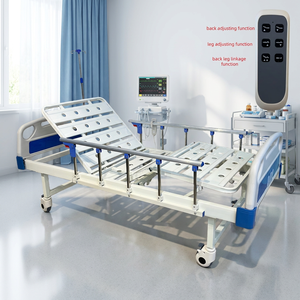
Dual-Function Motorized Mortuary Transit Stretcher
- Backrest & leg linkage adjustments
- Seamless anti-microbial powder coating
- Impact-resistant corner bumpers
- Load Capacity: 220 kg
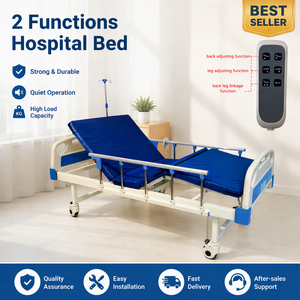
Heavy-Duty Electric Stretcher with Shroud Frame
- Compatible with canopy concealment covers
- High-grade ABS guardrails
- Quiet electric actuator motor (<45dB)
- CE & ISO 13485 Compliance
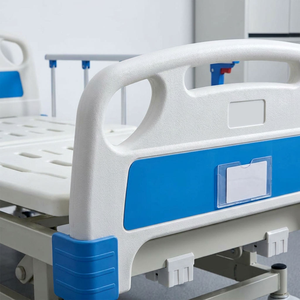
3-Function Medical Grade Mortuary Transfer Unit
- 1.2mm tubular steel structure
- Ergonomic hand controller
- Easy sanitation wash-down frame
- Dust-proof & fluid-proof motor housing
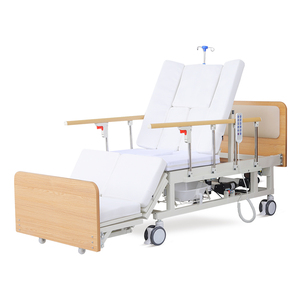
Automated Lateral Turning & Mortuary Transit System
- Lateral tilting up to 30 degrees
- Reduces manual handling strain by 80%
- Integrated body tray lock points
- Emergency manual override brake
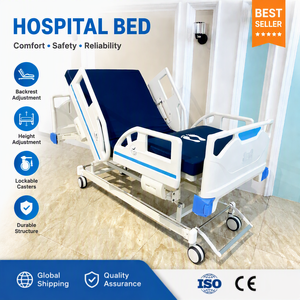
5-Function Bariatric Mortuary Transfer Stretcher
- Height variable: 450mm to 850mm
- High-impact ABS head/foot boards
- OEM & ODM Customization Available
- 5-Year Warranty on main chassis
1. Global Market Dynamics: The Evolution of Mortuary Transfer Equipment
In modern hospital management, pathology laboratories, and forensic facilities, the transit of deceased individuals represents a critical operational vector that intersects occupational safety, infection control, biosecurity, and dignified human handling. The global market for mortuary transfer stretchers and cadaver transport trolleys has transitioned from simplistic, fixed-height manual gurneys toward highly specialized, power-assisted electromechanical and hydraulic systems.
Driven by strict occupational health standards—such as the EU OSHA Ergonomic Handling Directives and the US NIOSH Manual Material Handling Guidelines—healthcare procurement teams are actively phased out rigid manual equipment in favor of zero-lift transfer solutions. Modern mortuary stretchers must balance structural rigidity, fluid containment, easy sterilization, and discreet aesthetics.
Furthermore, the global demand for bariatric mortuary stretchers (rated for 300kg to 400kg / 660lbs to 880lbs) has risen by 14.8% annually over the past five years. Manufacturers that integrate high-tensile CRCA steel frames, reinforced 304 stainless steel body trays, and high-torque electric actuators are setting new benchmarks for international hospital tenders.
2. Technical Engineering Comparison Matrix: Drive Systems & Materials
To assist hospital procurement directors, facility managers, and biomedical engineers in evaluating equipment options, the table below provides an authoritative comparison of common mortuary stretcher architectural designs:
| Specification Vector | Manual Fixed-Height Stretcher | Hydraulic Foot-Pedal Stretcher | Electric Motorized Stretcher | Concealed Canopy System |
|---|---|---|---|---|
| Primary Application | Short-distance / Budget morgues | General ward to pathology transit | High-volume ICUs / Bariatric units | Public ward transit & dignity care |
| Ergonomic Hazard Level | High (Manual lifting required) | Low (Pedal-assisted lifting) | Zero-Lift (Push-button elevation) | Low to Medium |
| Load Capacity Range | 150 kg – 180 kg | 220 kg – 300 kg | 250 kg – 400 kg (Bariatric) | 200 kg – 280 kg |
| Chassis Material | Standard Mild Steel | Epoxy Powder-Coated CRCA Steel | Heavy-Duty Steel / SS 304 Frame | Reinforced Steel with Fabric Canopy |
| Infection Control Ease | Moderate (Exposed joints) | High (Sealed hydraulic ram) | Maximum (IPX4/IPX6 wash-down motors) | High (Washable PVC shroud) |
| Compliance Benchmark | Basic ISO 9001 | ISO 13485, CE | IEC 60601-2-52, ISO 13485, CE | ISO 13485, CE |
3. Deep-Dive Analysis: Top 10 Mortuary Transfer Stretcher Manufacturers
Selecting an OEM/ODM supplier for mortuary transfer stretchers requires an evaluation of manufacturing capacity, international quality certifications (ISO 13485, CE, IEC 60601-2-52), structural engineering integrity, and global logistics capability. Below is an exhaustive technical review of the top 10 global manufacturers dominating the industry today.
Gita Mediquip Pvt. Ltd.
Engineering Strengths: Gita Mediquip stands out as a global leader in hospital furniture and mortuary transfer solutions. Holding seven major international certifications—including ISO 13485, ISO 9001:2015, ISO 14001, ISO 45001, ISO 50001, CE, and IEC 60601-2-52 compliance—Gita Mediquip manufactures ultra-durable stretchers constructed from 1.2mm thick CRCA steel with seamless electrostatic epoxy powder coating.
Why Chosen: Exceptional price-to-performance ratio, extensive customization capabilities for hospital tenders, 5-year chassis warranties, and trusted supply chain partnerships with leading hospital groups like Apollo, Zydus, SAL, and Manipal Hospitals.
Stryker Corporation
Engineering Strengths: Renowned for their Prime Series transport stretchers and powered patient handling equipment. Stryker incorporates advanced electric drive systems, Zoom motorized drive wheels, and Big Wheel technology for long-distance hospital corridor transit.
Why Chosen: Industry-standard electronic safety integration and robust distribution networks throughout North America and Western Europe, though priced at premium capital expenditure tiers.
Ferno-Washington, Inc.
Engineering Strengths: A dominant force in funeral director equipment and emergency casualty transit. Ferno offers specialized mortuary roll-in cots, mechanical elevating stretchers, and cadaver transfer systems equipped with multi-level latching frames.
Why Chosen: Deep specialization in mortuary handling accessories, vehicle loading systems, and custom concealment covers for funeral homes and EMS units.
Linet Group SE
Engineering Strengths: Linet specializes in premium nursing and critical care beds alongside specialized transfer stretchers like the Sprint series. Known for ergonomic column elevation technology and lateral tilting features.
Why Chosen: High-end European aesthetics, superior castor steering mechanisms, and strict compliance with European medical device directives.
Mopec Medical Equipment
Engineering Strengths: Mopec focuses exclusively on pathology, histology, and mortuary hardware. Their transfer stretchers feature heavy-gauge 304 stainless steel construction, integrated drain channels, and custom hydraulic scissor lifts.
Why Chosen: Ideal for university research morgues, medical examiners' offices, and high-exposure forensic laboratories requiring total wash-down capability.
Mortech Manufacturing
Engineering Strengths: Specializing in cadaver handling racks, autopsy tables, and heavy-duty transfer stretchers. Mortech equipment utilizes high-grade stainless steel with anti-corrosive passivated finishes.
Why Chosen: Trusted by North American coroner offices for heavy bariatric loading capacity (up to 1,000 lbs) and modular rack compatibility.
Hygeco International
Engineering Strengths: Hygeco provides comprehensive mortuary room installations across Europe and Africa. Their transfer stretchers emphasize discreet transport with rigid canopy shrouds and silent hydraulic foot pumps.
Why Chosen: Strong presence in French-speaking global territories, offering fully integrated mortuary cold room storage and transport systems.
Anetic Aid Ltd.
Engineering Strengths: Manufacturers of the QA3 Patient Trolley System. Known for ultra-lightweight aluminum alloy frames, hydraulic pitch control, and exceptional maneuverability in tight hospital corridors.
Why Chosen: Excellent UK NHS compliance, focus on caregiver ergonomics, and robust side-rail locking mechanisms.
KUGEL medical GmbH & Co. KG
Engineering Strengths: German precision engineering tailored for autopsy and mortuary rooms. KUGEL stretchers feature electromechanical height adjustment, seamlessly welded stainless steel trays, and integrated weight scales.
Why Chosen: Superior build quality, long operational life cycle, and smart electronic telemetry integration for modern digitalized pathology labs.
LEEC Limited
Engineering Strengths: LEEC designs custom mortuary trolleys, tray transfer systems, and autopsy stretchers featuring hydraulic hand pumps, battery-powered lifts, and flexible tray compatibility.
Why Chosen: High degree of custom engineering adaptability for historic hospital facilities with restricted elevator and doorway dimensions.
4. Future Procurement Trends in Mortuary Transfer Systems (2026–2035)
As global healthcare infrastructure undergoes rapid modernization, the procurement criteria for mortuary transfer equipment are shifting from simple capital cost evaluation toward long-term operational efficiency, risk mitigation, and infection containment. Strategic procurement directors must anticipate the following trends when establishing equipment specifications for upcoming hospital projects:
1. Zero-Lifting Ergonomic Mandates
Hospitals are increasingly mandating fully powered motorized elevation and drive-assist systems. Procurement tenders now routinely require push-button height adjustments to align stretcher decks perfectly with ICU beds, embalming tables, and cold-storage racks without manual lifting.
2. Smart Cadaver Concealment & Dignity Covers
To maintain public sensitivity in general hospital corridors, modern stretchers feature integrated collapsible canopy frames. Future procurement standards require high-density, anti-microbial, washable shroud covers that simulate standard patient transport trolleys.
3. Universal Bariatric Weight Capacities
With rising global obesity rates, healthcare institutions are abandoning standard 150kg-rated stretchers. Standard procurement bids now mandate minimum weight capacities of 250kg (550lbs) up to 400kg (880lbs) with reinforced hydraulic scissor lift assemblies.
4. Bio-Infection Containment & Wash-Down IP Ratings
Post-pandemic biosecurity protocols demand stretchers capable of undergoing aggressive chemical sanitization and pressure washing. Actuators, control boxes, and battery compartments must meet IPX6 water-ingress ratings with 304 stainless steel seamless welds.
5. Integrated RFID & Digital Weight Scale Telemetry
Smart hospital ecosystems are integrating IoT sensors into transfer stretchers. Built-in digital scale systems automatically log body weight into Electronic Health Records (EHR) during transfer, while RFID tags ensure seamless tracking within pathology storage networks.
6. Eco-Friendly Sustainable Manufacturing (ISO 14001)
Global healthcare organizations are prioritizing suppliers with verifiable environmental footprints. Procurement scoring now heavily favors manufacturers utilizing non-toxic powder coatings, recyclable steel alloys, and energy-efficient manufacturing plants (ISO 50001).
5. Technological & Engineering Development Trends in Mortuary Hardware
The engineering topology of modern mortuary transfer stretchers is undergoing rapid innovation. Key technological advancements currently reshaping product development include:
- High-Capacity Lithium-Ion Battery Telemetry: Traditional lead-acid batteries are being replaced by lightweight lithium-ion cells integrated with digital micro-controllers. These power units deliver up to 120 elevation cycles per charge with rapid 30-minute quick-charging capability and LED capacity displays.
- Automated Lateral Rollers & Slide-Board Integration: To eliminate manual sliding when moving cadavers from stretchers to cold storage trays, premium models now feature built-in motorized roller decks or low-friction polymer slide decks with foot-operated locking pins.
- Hermetically Sealed Hydraulic Scissor Assemblies: Maintenance-free hydraulic cylinders equipped with dual internal O-rings prevent fluid leaks and corrosion caused by disinfectant wash-downs, extending operational life cycles to over 10 years under continuous hospital use.
- Directional Steering 5th Wheel Mechanisms: Navigating narrow hospital elevators and tight 90-degree corridor turns is simplified through spring-loaded center 5th wheel systems that lock electronically for straight-line tracking and disengage for 360-degree maneuverability.
- Modular Body Tray Compatibility: Modern stretchers are engineered with universal latching geometry, allowing them to interface directly with diverse cold room rack systems, autopsy tables, and forensic lifting cranes across different manufacturing brands.
6. Frequently Asked Questions (FAQ) for B2B Procurement Teams
Expert answers to common commercial, technical, and regulatory questions raised during hospital equipment tenders.
Why Global Healthcare Buyers Trust Gita Mediquip Pvt. Ltd.
Founded in 1987 in Ahmedabad, Gujarat, India, Gita Mediquip Pvt. Ltd. has built over 35 years of manufacturing excellence in hospital beds, ICU equipment, bedside furniture, and specialized mortuary transfer stretchers. Operating under the core SEER philosophy (Socially Responsible, Ethically Operated, Environmentally Sustainable, and Responsible Business), we deliver world-class medical furniture to leading healthcare institutions across India and over 20 countries globally.
Prestigious Client Portfolio: Trusted by top healthcare groups including Apollo Hospitals, Zydus Hospitals, Manipal Hospitals, HCG Hospitals, SAL Hospital, Apex Heart Institute, Geetanjali Medical College, and KD Hospital.