High-Performance Medical & Home Care Nursing Beds
Engineered for clinical precision, patient safety, and long-term ergonomic stability. Directly sourced from certified OEM/ODM manufacturing facilities.
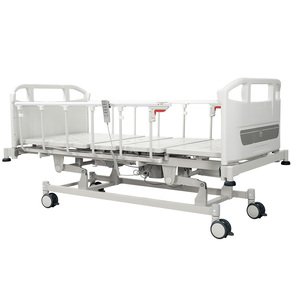
YXZ-C3(y302) 3-Function ICU Electric Bed
- Motorized Backrest & Knee-rest
- Hi-Lo Height Adjustment
- Removable ABS Head/Footboards
- ISO 13485 & CE Factory Certified
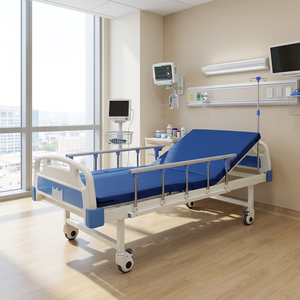
High-Quality Electric 2-Function Hospital Bed
- Dual Motor Actuator System
- Heavy-Duty CRCA Steel Structure
- Collapsible Aluminum Side Rails
- Industry-Leading 5-Year Warranty
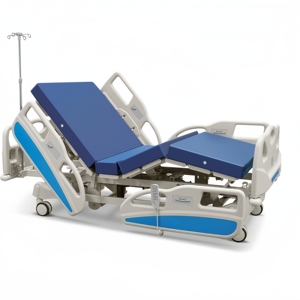
Cama Clinica 5-Function ICU Electric Bed
- Trendelenburg & Reverse Position
- Integrated Anti-Decubitus Mattress
- Central Locking Control Brake
- Emergency CPR Quick-Release
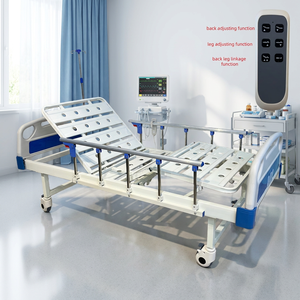
Direct Sales Dual Function Electric Bed
- Precision Back & Leg Elevation
- Low-Noise Linear Motors
- Epoxy Powder Coated Frame
- High Dynamic Load Capacity
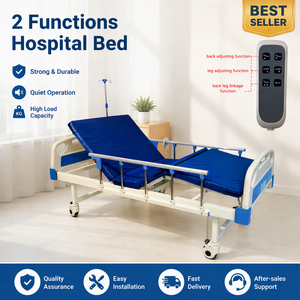
2-Function Electric Bed with Back-Leg Linkage
- Synchronized Motion Technology
- Anti-Entrapment Side Guardrails
- Whisper-Quiet Actuator Pack
- CE & ISO 13485 Compliance
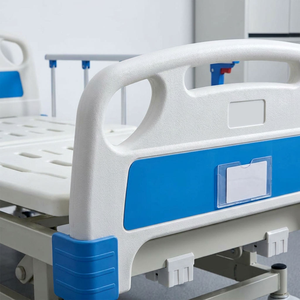
Medical Grade 3-Function Reinforced Bed
- 1.2mm Reinforced Steel Tubing
- Ergonomic Ward & Home Care Design
- Bumper Castors at 4 Corners
- Smooth Height Adjustment
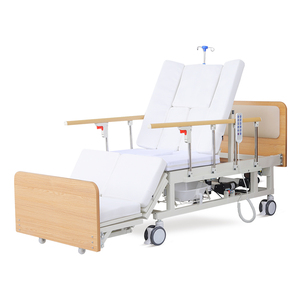
Multi-Functional Automatic Lateral Turning Bed
- 0°-45° Left/Right Lateral Tilt
- Built-In Commode Mechanism
- Anti-Bedsore Automatic Timer
- Designed for Paralyzed Elderly Care
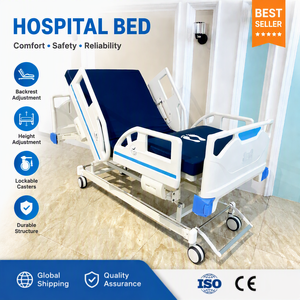
Hot Sale 5-Function Electric ABS Bed
- Full Range Height & Tilt Adjustment
- Tuck-Away ABS Side Rails
- OEM Customization Options
- 5-Year Structural Integrity Support
Future Sourcing Trends in Home Care Nursing Beds (2025–2030)
Strategic insights for hospital procurement managers, medical device distributors, and long-term care equipment importers.
1. Decentralization of Clinical Care
Global healthcare logistics are rapidly pivoting from centralized hospital beds to home-based long-term nursing. International buyers are demanding clinical-grade functionality—such as IEC 60601-2-52 compliance and Trendelenburg tilt—packaged within residential aesthetic designs to ease home integration.
2. Automated Pressure Ulcer Prevention
Manual repositioning of bedridden patients imposes severe labor overhead and injury risk on caregivers. Modern sourcing contracts heavily emphasize automated lateral turning cycles (left/right 0°-45° tilt) with programmable timers to dynamically redistribute patient weight and prevent decubitus ulcers.
3. Total Cost of Ownership (TCO) & Reliability
B2B importers are shifting away from lowest-cost non-certified units toward high-durability construction. Key evaluation criteria include Cold-Rolled Close-Annealed (CRCA) steel frames, IPX4-rated waterproof linear actuators, and minimum 5-year structural warranties to guarantee minimal lifecycle maintenance.
Strategic Procurement Insight: The Information Gain Advantage
When sourcing medical nursing beds, technical audit teams must evaluate structural wall thickness (minimum 1.2mm steel frame), motor duty cycles, and anti-entrapment guardrail spacing. Low-tier suppliers often compromise on steel gauge and motor thermal protection, leading to structural sagging and actuator burnout under continuous duty cycle demands.
Request Factory Inspection ReportEngineering Innovations & Product Development Trends
How leading factories are combining robotics, biomechanics, and safety compliance to redefine patient care standards.
| Feature Category | Traditional Nursing Beds | Next-Gen Smart Nursing Beds | Clinical & Commercial Impact |
|---|---|---|---|
| Actuator Systems | Single/Dual mechanical crank or basic hydraulic pumps | Quiet linear electric actuators (IPX4 waterproof, Linak/Dewert standard) | Precise multi-axis positioning; sub-45dB noise levels for uninterrupted sleep. |
| Patient Repositioning | Manual caregiver turning every 2 hours | Automated programmed lateral tilt turning (0°-45°) | Reduces pressure ulcer incidence by up to 70%; slashes caregiver strain. |
| Safety Railing Mechanics | Fixed vertical bars with entrapment hazards | Collapsible ABS / Aluminum anti-entrapment side rails (IEC 60601-2-52) | Eliminates limb entrapment risks; complies with European & US FDA safety standards. |
| Frame Surface Metallurgy | Basic wet painting prone to chipping and rust | 11-stage pre-treatment with 100-micron anti-bacterial epoxy powder coating | Withstands medical disinfectant wiping; zero corrosion over 10+ years of usage. |
| Emergency Protocols | Manual mechanical lowering mechanism | Integrated quick-release CPR lever & battery backup reserve | Enables instant flat-surface resetting during cardiac emergency situations. |
Why Leading Healthcare Brands Trust Our Production Capabilities
Backed by over 35 years of dedicated medical device manufacturing, our production ecosystem spans across state-of-the-art facilities equipped with robotic welding, precision tube laser cutters, and automated powder coating lines.
We operate strictly under the SEER Framework (Socially Responsible, Ethically Operated, Environmentally Sustainable, and Responsible Business Practice), ensuring every hospital bed leaving our assembly line fulfills rigorous international standards.
OEM/ODM Customization Parameters
- Frame Thickness: 1.2mm to 2.0mm customized steel tubing
- Actuator Brands: Linak, Dewert, Jiechang, or Timotion options
- Color & Branding: Customized ABS colors & silk-screened logos
- Functions: 2-Function, 3-Function, 5-Function, or Lateral Turning
- Packaging: Flat-pack knock-down SKD/CKD for ocean freight optimization
Frequently Asked Questions by Global Buyers
Addressing crucial technical, regulatory, and commercial inquiries for medical bed importing and supply chain management.
Q1. What is the difference between 2-Function, 3-Function, and 5-Function electric nursing beds?
A 2-Function bed controls backrest elevation and leg elevation. A 3-Function bed adds overall height adjustment (Hi-Lo), allowing easier patient transfer and ergonomic caregiver access. A 5-Function bed incorporates all 3 functions plus Trendelenburg and Reverse Trendelenburg tilt positions essential for cardiac care and respiratory relief.
Q2. Why is IEC 60601-2-52 certification critical for medical bed imports?
IEC 60601-2-52 is the specific international safety standard for medical electrical equipment used in nursing and hospital beds. It establishes mandatory requirements for side rail gap dimensions, pinch-point elimination, structural load capacity, and electrical safety to prevent severe patient entrapment or electrical hazards.
Q3. How does automated lateral turning benefit long-term paralyzed patients?
Automated lateral turning periodically tilts the patient sideways (typically between 0° and 45°). This action relieves pressure on the sacrum, heels, and shoulder blades, facilitating micro-blood circulation and significantly diminishing the occurrence of pressure ulcers (bedsores) without requiring constant physical intervention from caregivers.
Q4. What raw material specifications ensure long-term bed durability?
Top-tier factories utilize Cold-Rolled Close-Annealed (CRCA) steel for main structural frames due to its high tensile strength and smooth surface quality. The steel undergoes an 11-stage phosphating pre-treatment followed by electrostatic epoxy powder coating (100-micron thickness) to guarantee resistance against harsh hospital cleaning chemical solutions.
Q5. What are the standard lead times and container shipping packaging options?
Standard lead times for full container load (FCL) orders typically range from 20 to 30 days. To optimize freight economics, beds can be shipped fully assembled or in semi-knocked-down (SKD) packing, allowing up to 80-100 units to fit within a single 40ft High Cube container.
Q6. Can we request custom branding and specific linear actuator brands?
Yes. As a full-service OEM/ODM exporter, factories offer complete customization including private-label logo printing, customized ABS panel colorways, customized control hand-pendants, and designated actuator brands (such as Linak, Dewert, or specialized domestic brand options) based on target market requirements.
Ready to Partner with a Certified Medical Bed Manufacturer?
Contact our senior technical procurement team today for factory-direct bulk quotations, technical datasheets, and custom OEM/ODM production scheduling.