Precision Clinical Equipment & Hospital Furniture
Explore our ISO 13485 and CE certified medical furniture portfolio. Engineered for heavy-duty hospital operations, maximum hygienic protection, and patient ergonomics.
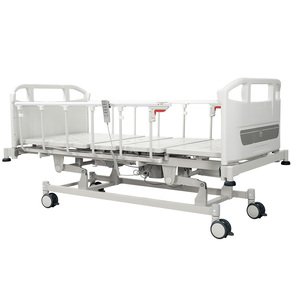
YXZ-C3(y302) 3-Function ICU Electric Hospital Bed
- Heavy-duty ABS & steel frame construction
- ISO certified multi-position electric control
- Integrated emergency manual CPR release
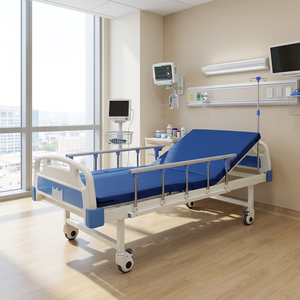
High-Quality Hospital Electric 2-Function Ward Bed
- Backed by a 5-Year comprehensive warranty
- Smooth motorized backrest & knee-rest linkage
- Anti-bacterial powder-coated CRCA steel
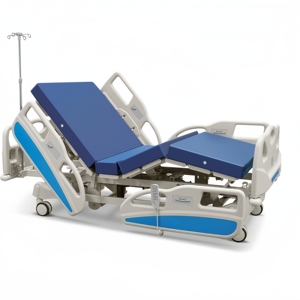
Cama Clinica 5-Function ICU Electric Bed with Mattress
- Full Trendelenburg & reverse positioning
- Includes high-density medical grade mattress
- Central locking silent castor wheels
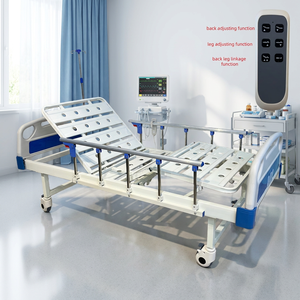
Dual-Function Electric Medical Bed (Direct Wholesale)
- Precision linear actuators for whisper-quiet lift
- Tough ABS tuck-away side safety rails
- Optimized for rapid clinical sanitization
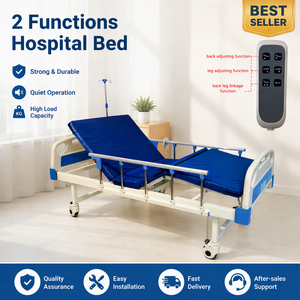
Multifunction Electric Patient Bed with Back/Leg Linkage
- Synchronized backrest & knee-rest mechanics
- Reinforced structural side protection rails
- Global medical device standard compliant
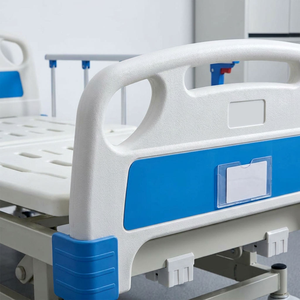
Medical Grade 3-Function Electric Bed (1.2mm Steel Frame)
- Heavy gauge 1.2mm structural steel chassis
- Engineered for intensive hospital ward use
- Ergonomic nurse control pendant system
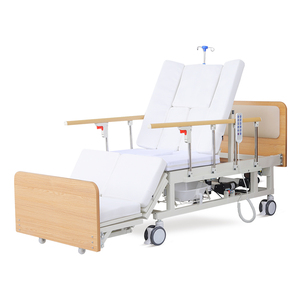
Multi-Functional Electric Nursing Bed with Lateral Turning
- Automated tilt flip mechanism for pressure sore prevention
- Ideal for paralyzed, long-term bedridden care
- Quiet motor design with intuitive remote control
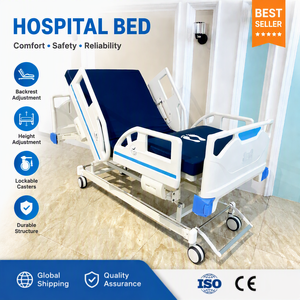
5-Function Electric Medical Bed (Height Adjustable ABS Frame)
- Variable height adjustment (Hi-Lo functionality)
- Fully customizable OEM/ODM specifications
- 5-Year structural frame guarantee
Engineering Standards in Medical Instrument Storage & Cabinet Manufacturing
A comprehensive technical guide for healthcare architects, clinical engineers, and international medical supply chain officers evaluating OEM/ODM manufacturing partnerships.
AISI 304 / 316L Stainless Steel Precision
Fabricated using non-magnetic, corrosion-resistant austenitic stainless steel. Resistant to harsh hospital disinfectant agents like sodium hypochlorite, hydrogen peroxide vapor, and quaternary ammonium compounds.
Cleanroom ISO Class 5 Pass-Through Architecture
Double-door mechanical or electronic interlocking pass-through cabinets preventing cross-contamination between sterile operating theaters (OT) and unsterile preparation corridors.
HEPA Filtered Positive-Pressure Storage
Integrates continuous laminar air purge with H14 HEPA filtration (99.995% efficiency @ 0.3μm), maintaining positive interior pressure to prevent pathogen ingress for endoscopes and surgical kits.
Information Gain Analysis: Critical Selection Criteria for Medical Cabinet OEM/ODM Procurement
In modern acute care facilities, surgical suites, and intensive care units (ICUs), medical instrument cabinets are far more than static storage units. They represent an active line of defense in hospital infection control protocols (HAIs) and workflow optimization. When healthcare systems source through OEM (Original Equipment Manufacturer) or ODM (Original Design Manufacturer) channels, structural integrity, material science, and ergonomic engineering dictate long-term return on investment (ROI).
Traditional commercial steel storage fails rapidly in hospital settings due to constant exposure to aggressive cleaning chemicals, moisture, and high-duty mechanical stress. Precision medical instrument cabinets manufactured by premier certified facilities utilize cold-rolled close-annealed (CRCA) steel treated with anti-microbial epoxy powder coatings or high-grade AISI 304/316L stainless steel. The surface roughness Ra value must be engineered below 0.4 µm to prevent bacterial adhesion and biofilm formation in microscopic crevices.
Structural Engineering & Load-Bearing Physics
Operation Theatre (OT) instrument cabinets must support heavy surgical trays, orthopedic drill kits, and complex endoscopic camera systems. OEM specifications require shelf load-bearing capacities exceeding 80 kg per section without structural deflection. Full-extension telescopic ball-bearing slides engineered from hardened stainless steel are mandatory to provide smooth, silent operation in noise-sensitive critical care environments.
Furthermore, safety glass integration must adhere to international safety standards (BS EN 12150 or ANSI Z97.1). Tempered or laminated safety glass panels allow surgical nurses to instantly audit instrument inventory without opening doors, maintaining cleanroom air pressure balances.
Future Procurement Trends in Hospital & Medical Storage Systems
How global healthcare purchasing networks, hospital chain CEOs, and biomedical procurement groups are modernizing their facility infrastructure.
IoT-Enabled Smart RFID Cabinets
Automated real-time inventory tracking. High-value surgical implants, pharmaceuticals, and specialized instruments are tracked via ultra-high frequency (UHF) RFID sensors embedded within cabinet shelving.
Biometric Access Control & Audit Trails
Transitioning away from physical keys. Modern hospital procurement mandates dual-factor biometric (fingerprint/facial recognition) or encrypted RFID badge access with automated digital access logs for narcotic and instrument security.
Modular ISO 6040 Standardized Tray Systems
Procurement teams are standardizing on ISO 6040 basket and tray dimensions (600x400mm modular system), enabling seamless exchange between transport carts, bedside lockers, and central sterile supply departments (CSSD).
Strategic shift from Unit-Based Purchasing to Integrated OEM Manufacturing Partnerships
Analysis of global procurement patterns across top tier multi-specialty hospital chains reveals a decisive shift away from off-the-shelf furniture toward long-term OEM/ODM factory partnerships. Major hospital networks—such as Apollo Hospitals, Zydus Hospitals, Manipal Hospitals, and HCG—require bespoke dimensional adaptations, localized color-coding for infection control, and integration of facility management sensors.
By establishing direct factory relationships with experienced medical device manufacturers, hospital developers achieve up to 30% capital expenditure (CapEx) savings while securing customized product lifespans exceeding 15 to 20 years. Factory-direct OEM contracts ensure long-term spare part availability, custom mounting brackets for evolving medical devices, and certified compliance with strict regional healthcare regulations.
Technological Advancement Trends in Medical Cabinet Production
State-of-the-art manufacturing processes driving cleanroom compliance, physical durability, and ergonomic safety.
The manufacturing landscape for medical storage cabinets and hospital furniture has undergone a technological revolution over the past decade. Advanced fabrication plants utilize fully automated CNC fiber laser cutting centers, robotic bending cells, and automated powder coating lines with nanoceramic surface pre-treatment.
1. Nanoceramic Anti-Corrosion Coating
Replacing traditional iron-phosphate pretreatments, nanoceramic conversion coatings provide superior paint adhesion, salt spray corrosion resistance exceeding 1,000 hours (ASTM B117), and eco-friendly zero-VOC production.
2. Acoustic Dampening Architecture
Hospitals are actively mitigating noise pollution to improve patient recovery scores. Modern cabinets incorporate sound-deadening honeycomb cores inside double-walled steel doors and silicone perimeter gaskets to eliminate metal-on-metal clatter.
3. Radiation & Lead-Lined Shielding
Specialized OEM production lines now produce custom lead-lined instrument and syringe storage cabinets for hybrid operating rooms, cardiac catheterization labs, and nuclear medicine departments.
Comparing Standard Commercial Storage vs. Medical Grade OEM/ODM Instrument Cabinets
To assist procurement committees in decision-making, the following structural comparative framework outlines essential differences between generic commercial steel storage and certified medical instrument cabinets:
Gita Mediquip Pvt. Ltd. — Pioneering Healthcare Furniture Since 1987
Founded in 1987 in Ahmedabad, Gujarat, India, Gita Mediquip Pvt. Ltd. has established itself as an internationally recognized pioneer in the engineering and turnkey manufacturing of hospital furniture, ICU electrical beds, bedside lockers, examination tables, and medical instrument storage cabinets. With over 35 years of dedicated industrial excellence, our manufacturing complexes operate under strict global quality management frameworks.
Our infrastructure includes two state-of-the-art production facilities spanning tens of thousands of square feet in Narol and Bareja, equipped with heavy-duty hydraulic presses, CNC shearing centers, automated pipe benders, and electrostatic powder coating lines. We serve as an OEM/ODM manufacturing partner for leading healthcare brands, governmental medical tenders, and prestigious hospital groups including Apollo Hospitals, Zydus Hospitals, HCG Hospitals, SAL Hospital, Apex Heart Institute, and Manipal Hospitals.
The SEER Framework: Responsible & Sustainable Manufacturing
Gita Mediquip operates under the core SEER organizational philosophy:
- Socially Responsible: Uplifting local workforce skills, supporting community healthcare infrastructure, and maintaining safe workplace environments.
- Ethically Operated: Transparent B2B trade practices, total raw material traceability, and non-compromised steel thickness standards.
- Environmentally Sustainable: ISO 14001 environmental management certified processes, zero VOC powder coatings, and eco-friendly energy management under ISO 50001.
- Responsible Business: Rigorous compliance with occupational safety (ISO 45001) and continuous total quality management (TQM).
Frequently Asked Questions (FAQ)
Essential technical and commercial answers for hospital procurement directors, biomedical engineers, and international distributors.