Featured Medical Transfer & Care Bed Equipment
Direct factory supply for healthcare institutions, nursing homes, and international distributors. Certified for safety, structural integrity, and ergonomic operation.
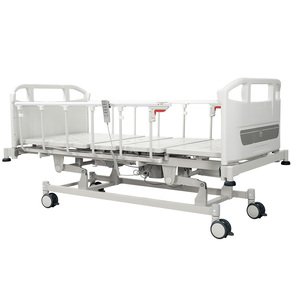
YXZ-C3(y302) 3-Function ICU Electric Hospital Bed Medical Bed ABS/Steel Frame ISO Certified
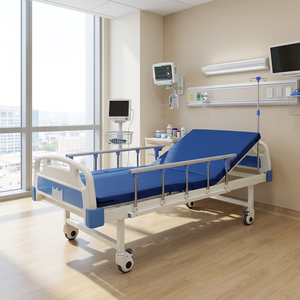
Bestselling High-Quality Hospital Electric 2-Function Bed With 5-Year Structural Warranty
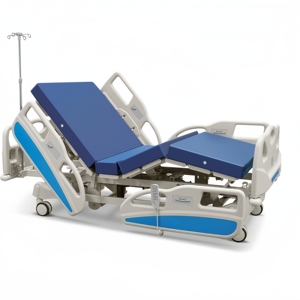
Cama Clinica Medical Patient Bed 5-Function ICU Electric Hospital Bed with Mattress Set
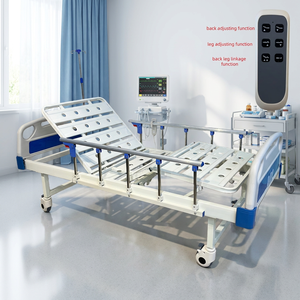
China Best-Selling Dual Function Electric Hospital Bed - Direct Factory Wholesale Supply
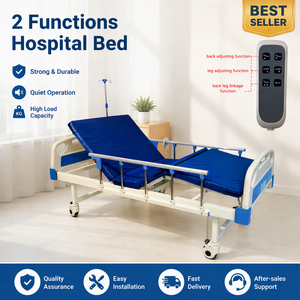
2 Function Electric Hospital Bed Multifunction Medical Bed with Back-Leg Linkage Side Rails
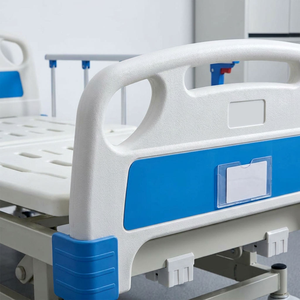
Medical Grade 3 Function Electric Hospital Bed With Heavy 1.2mm Steel Frame for Ward Care
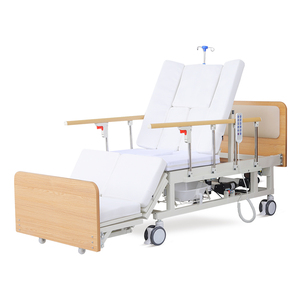
Multi-Functional Electric Nursing Bed with Automatic Lateral Turning Flip for Home & Hospital Care
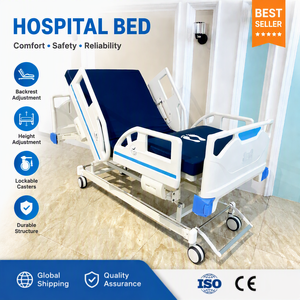
Hot Sale 5-Function Electric Medical Hospital Bed Height Adjustable ABS Frame OEM Available
Engineering Excellence in Manual Patient Lifters: The Chinese Manufacturing Advantage
In modern clinical environments, nursing facilities, and home healthcare ecosystems, patient handling represents one of the most critical operational and safety challenges. According to the International Organization for Standardization (ISO 10535 standards for hoists for the transfer of disabled persons), safe mechanical patient handling equipment significantly reduces occupational musculoskeletal disorders (MSDs) among healthcare workers while ensuring patient dignity and security.
As premier Chinese manual patient lifter manufacturers and specialized OEM/ODM factories, our engineering philosophy revolves around zero-failure hydraulic pressure systems, structural rigidity using heavy-gauge cold-rolled carbon steel (CRCA), and caregiver-centric ergonomic mechanics. Manual patient lifters—frequently categorized as manual hydraulic patient hoists, mechanical transfer lifts, and hydraulic stand-up transfer chairs—provide an indispensably reliable, non-electric alternative for patient transfer. Unlike battery-dependent electric lifters, high-grade manual hydraulic lifters operate completely independently of power infrastructures, eliminating operational downtime in regions prone to power fluctuations or in emergency mobile medical deployments.
ISO 10535 Engineering Compliance & Structural Architecture
A rigorous evaluation of manual patient lifter mechanical assemblies, hydraulic pump dynamics, and base-spreading mechanisms.
Heavy-Duty Hydraulic Pump Engineering
Our manual patient lifters incorporate sealed hydraulic cylinders tested to over 100,000 continuous lift cycles under max load. Features include anti-leak double O-ring seals, chrome-plated piston rods resistant to oxidation, and ergonomic foot-pedal pump levers that minimize caregiver physical exertion by over 65% compared to legacy mechanical cranks.
Variable Width Base Spreading Mechanism
Equipped with a pedal-operated base expansion mechanism, caregivers can effortlessly adjust the base leg stance from a narrow profile (580mm) for passing through standard interior doorways, up to a wide stance (1040mm) to encircle wheelchairs, recliners, and standard hospital bed bases safely during transfers.
Anti-Tipping Base Geometry & Castors
Low-center-of-gravity steel chassis paired with medical-grade polyurethane (PU) swivel castors. Rear castors feature total-lock brake pedals that freeze both rotation and swivel tracking simultaneously, ensuring absolute stationarity during patient ingress and egress.
Technical Specification Comparison: Manual Hydraulic vs. Electric Lifters
| Specification / Feature Parameter | Manual Hydraulic Patient Lifter | Standard Electric Patient Lifter | Bariatric Heavy-Duty Manual Lifter |
|---|---|---|---|
| Safe Working Load (SWL) | 150 kg – 180 kg (330 – 400 lbs) | 150 kg – 200 kg (330 – 440 lbs) | 200 kg – 230 kg (440 – 500 lbs) |
| Power Dependence | 0% (100% Mechanical Hydraulic) | Requires 24V Rechargeable Battery | 0% (Dual-Piston Manual Hydraulic) |
| Maintenance & TCO | Ultra-Low (No electrical replacement) | Moderate-High (Battery replacements) | Low (Reinforced seals & structural steel) |
| Base Spreading Range | 580 mm to 1040 mm (Pedal Control) | 590 mm to 1060 mm (Motorized/Pedal) | 620 mm to 1120 mm (Heavy Pedal) |
| Emergency Lowering | Manual Twist Valve (Instant Control) | Electrical / Mechanical Override | Manual Dual Valve Safety Override |
| International Compliance | ISO 10535, CE, ISO 13485 | ISO 10535, CE, IEC 60601-1 | ISO 10535, CE, FDA Registered |
Why Top Global Healthcare Brands Partner with China's Leading Factories
China has established itself as the global epicenter for medical furniture and patient transfer device manufacturing, offering an unprecedented balance of metallurgical excellence, supply chain integration, and automated production efficiency. Our manufacturing facilities incorporate end-to-end industrial capabilities:
1. Precision Robotic Laser Cutting & Welding
Eliminating human error in structural seams, automated 6-axis robotic welding arms deliver 100% consistent weld penetration across all frame stress points, preventing structural fatigue under heavy loads.
2. Electrostatic Antimicrobial Powder Coating
All steel components undergo a 9-stage pre-treatment wash followed by thermosetting epoxy-polyester powder coating. This provides exceptional resistance to hospital-grade disinfectants, rust, and microbial buildup.
3. 1.5x Dynamic Overload Stress Testing
Before leaving the factory line, every batch of manual patient lifters undergoes dynamic load testing at 150% of rated capacity, validating frame deflection standards and hydraulic pressure containment.
Future Procurement Trends: Manual Patient Lifter Technology (2025–2030)
As global healthcare systems expand hospital-at-home models and nursing facilities face rising budgetary demands, procurement officers must adapt to next-generation lifter design trends.
1. Modular Chassis & Quick-Dismantle Frames
Emerging procurement tenders demand patient transfer lifters that can be assembled or disassembled in under 2 minutes without tools. Compact modularity cuts international shipping container costs by up to 40% and simplifies home-care delivery logistics.
2. Smart Ergonomic Sling Engineering
Modern slings are shifting toward high-tenacity breathable mesh fabrics coated with antimicrobial silver-ion treatments. Standardized multi-point spreader bars allow seamless compatibility with toilet slings, amputee slings, and full-body padded transfer supports.
3. Low Total Cost of Ownership (TCO) Prioritization
Hospital purchasing committees are heavily factoring 10-year lifecycle maintenance costs into tender awards. Manual hydraulic lifters score significantly higher in long-term ROI due to the complete absence of expensive motor controls and battery replacements.
Frequently Asked Questions (FAQ) for B2B Buyers & Distributors
Essential technical and commercial guidance for purchasing officers evaluating Chinese patient lifter manufacturers.
A world-class manufacturer must hold ISO 13485 (Medical Devices Quality Management System), ISO 9001, CE marking under the Medical Device Regulation (MDR 2017/745), and compliance certification for ISO 10535 (the international standard specifically governing hoists for disabled persons). FDA registration is also required for supply into the North American market.
Manual hydraulic patient lifters offer complete operational independence from electrical grids and batteries. They feature zero battery decay, minimal maintenance overhead, lower initial capital expense (CAPEX), and immediate readiness in emergency transport or low-resource healthcare settings, offering superior TCO for large-scale institutional deployments.
Leading China factories offer extensive OEM/ODM customization including custom frame color powder coating, private label logo screen-printing, specialized sling fabric engineering (mesh, padded, hygiene/toilet aperture), adjusted mast heights, bariatric capacity reinforcement (up to 250kg), and custom packaging for SKD (Semi-Knocked Down) logistics.
Quality assurance protocols mandate 100% static load testing at 1.5 times the rated Safe Working Load (SWL) for a minimum of 20 minutes, alongside dynamic load testing through full lifting ranges. Hydraulic pumps undergo pressure retention checks to ensure zero oil leakage or pressure decay over extended holding periods.
Standard MOQ for factory-direct wholesale usually ranges from 10 to 50 units for standard models, or 1x20GP container loads for customized OEM orders. Production lead times typically range from 15 to 30 days depending on customization complexity and order volume.
Top-tier manual lifters utilize low-profile front castors (height under 105mm) that easily slide beneath low-clearance beds and furniture. The foot-pedal operated base expanding mechanism enables narrowing of the base stance down to under 600mm to maneuver smoothly through tight doorways and bathroom entrances.
B2B Buyer Checklist: Auditing a Chinese Medical Lifter Factory
When conducting supplier audits—either on-site or via third-party agencies (SGS, TÜV, BV)—procurement directors should evaluate five core operational criteria:
- Raw Material Traceability: Ensure mill certificates exist for all structural steel tubing (Q235B / S235JR grades) to prevent frame bending under stress.
- Hydraulic Seal Integrity: Audit the source of hydraulic cylinder seals; premium factories utilize imported NBR or Viton double-seals to prevent fluid leaks.
- Sling Stitching Reinforcement: Inspect sling manufacturing lines for automated computer-controlled bar-tack stitching on all weight-bearing webbing.
- Salt Spray Corrosion Testing: Verify that surface powder coatings endure a minimum of 96 hours in salt spray chamber testing (ASTM B117 standard) without blistering.
- Spare Parts Availability: Confirm that the factory provides long-term availability (10+ years) of replacement hydraulic pumps, castors, spreader bars, and seal kits.