CE Certified Emergency & Patient Transfer Stretchers
Explore our top-tier hospital transfer stretchers, scoop devices, and emergency rescue trolleys manufactured under strict ISO 13485 and CE quality management standards.
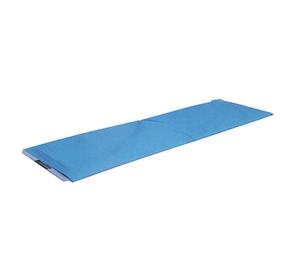
YXZ-029 Hospital Patient Transfer Sheet with Handles - Portable Medical Sliding Board
- Reinforced heavy-duty nylon webbed handles
- Low-friction sliding surface for safe bed transfers
- Washable, fluid-resistant antimicrobial fabric
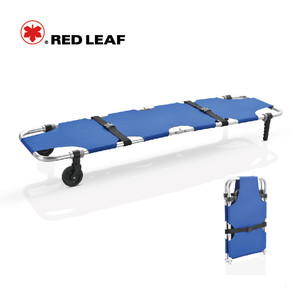
YDC-1A1 Manual Foldaway Stretcher With Wheels And Belts Lightweight Folding Stretcher
- High-strength alloy frame with quick-fold hinges
- Integrated transport wheels and quick-release belts
- Compact profile for ambulance storage
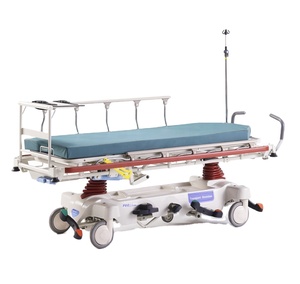
E-9 Multi-function Hydraulic Transport Hospital Stretcher Pukang Medical Stretcher
- Dual dual-pump hydraulic height adjustment
- Trendelenburg & Reverse Trendelenburg positioning
- Central braking system with steerable 5th wheel
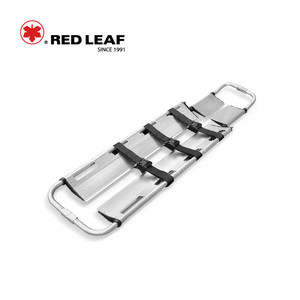
YDC-4A02 Manual Aluminum Alloy Scoop Stretcher With Head Immobilizer 159KG Capacity
- Separable structure to scoop patient without movement
- Includes cranial immobilization bracket
- 159KG rated dynamic load structural integrity
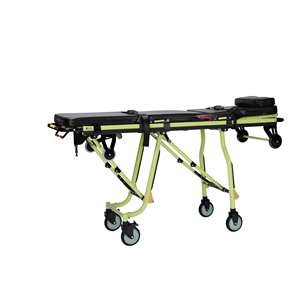
EVERISE WSX-A8 Class I Manual Ambulance Stretcher Medical Patient Transfer Trolley
- Mechanical loading leg mechanism for single-operator use
- CE & ISO 13485 compliant structural engineering
- Multi-stage backrest inclination control
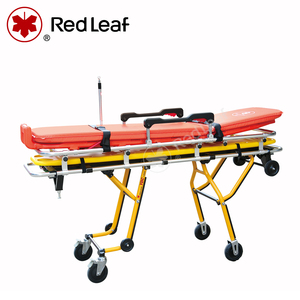
Multi-position Manual Aluminum Alloy Ambulance Collapsible Stretcher With Scoop Storage
- Aviation-grade aluminum alloy frame configuration
- Dedicated lower compartment for scoop stretcher storage
- Adjustable height settings for clinical transfers
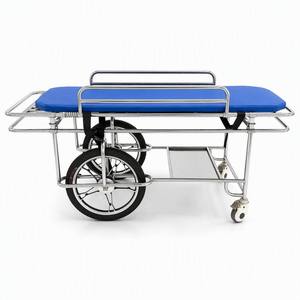
Ambulance Used Patient Transfer Emergency Bed Hospital Trolley Stainless Steel Stretcher
- Heavy-gauge 304 stainless steel frame construction
- Four swivel castors with diagonal brake system
- Drop-down protective side rails & IV pole socket
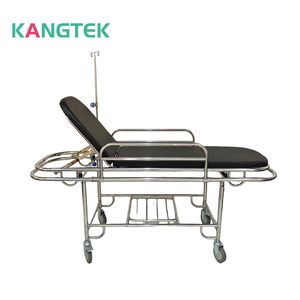
KANGTEK Stainless Steel Adjustable Folding Portable Manual Patient Hospital Emergency Stretcher
- Manual ratchet backrest tilt mechanism
- Foldable sub-frame for emergency vehicle clearance
- High-density seamless waterproof mattress pad
Industrial Excellence & Manufacturing Capabilities
Backing medical institutions and emergency service providers globally with over three decades of hospital furniture and patient movement engineering.
35+ Years Manufacturing Heritage
Established in 1987 in Gujarat, India (Narol & Bareja industrial facilities), our manufacturing operations embody over 35 years of engineering mastery. We operate dual advanced manufacturing units dedicated to medical-grade metal fabrication, automated robotic MIG welding, and electrostatic powder coating lines.
7 Global Quality Certifications
Quality assurance is embedded at every level. Our production processes strictly adhere to CE Certification, ISO 9001:2015 (Quality), ISO 13485 (Medical Devices), ISO 14001 (Environmental), ISO 45001 (Occupational Safety), ISO 50001 (Energy), and IEC 60601-2-52 electrical safety standards for medical equipment.
Global OEM / ODM Supply Chain
We export to over 20+ countries across Asia, Europe, Africa, and the Middle East. Trusted by top healthcare groups including Apollo Hospitals, Zydus Hospitals, Manipal Hospitals, SAL Hospital, and HCG, we deliver custom OEM/ODM solutions tailored to tender specs.
The SEER Framework for Sustainable Medical Manufacturing
Socially Responsible
Investing in community healthcare infrastructure and ergonomic safety for frontline medical staff globally.
Ethically Operated
Transparent B2B procurement contracts, anti-corruption compliance, and zero-compromise raw material sourcing.
Environmentally Sustainable
ISO 14001 & ISO 50001 certified low-emission manufacturing, recyclable alloys, and non-toxic powder coatings.
Responsible Business
ISO 45001 safety certified workplaces maintaining 100% traceabilities on every medical batch produced.
Development Trends in Patient Transfer Stretcher Design
The global medical logistics landscape is experiencing a paradigm shift. Modern patient transfer stretchers are no longer treated as passive wheeled cots; they are sophisticated medical transport devices engineered to reduce caregiver spinal load, prevent secondary patient trauma during emergency transit, and withstand grueling infection control protocols. As hospital trauma centers and emergency medical services (EMS) expand worldwide, patient transport equipment manufacturers are advancing through three key technological vectors:
| Engineering Parameter | Legacy Steel Stretchers | Modern Hydraulic Transfer Trolleys | Next-Gen Carbon/Alloy Emergency Units |
|---|---|---|---|
| Structural Metallurgy | Standard Mild Steel Tubing | CRCA Steel + Anodized Aluminum | Aviation 6061-T6 Aluminum / Carbon Fiber |
| Elevation Mechanism | Manual Mechanical Crank | Dual-Pedal Hydraulic Actuation | Electro-Hydraulic & Pneumatic Assist |
| Radiolucency (X-Ray) | Non-Radiolucent (Patient Transfer Needed) | Partial Acrylic Backrest Radiolucency | Full Length Radiolucent Carbon Fiber Platform |
| Infection Control Coating | Basic Enamel Paint | Epoxy Antimicrobial Powder Coating | Nanotech Anti-Bacterial Silver-Ion Finish |
| Caster & Braking Dynamics | Individual Wheel Locks | Central Braking + Steerable 5th Wheel | All-Terrain Suspension + Central E-Brake |
1. Kinematic Ergonomics and Caregiver Risk Reduction
Occupational health studies indicate that nursing personnel and ambulance paramedics face high rates of musculoskeletal strain during manual patient transfers. Modern CE-certified patient transfer stretchers incorporate dual-pump hydraulic height adjustments operated via intuitive foot pedals, enabling caregivers to align the stretcher deck seamlessly with hospital beds and operating tables. Zero-lift transfer sheets (such as model YXZ-029) and smooth-slide lateral boards eliminate shear stress on the patient's skin while maintaining zero vertical lifting effort from healthcare staff.
2. Radiological Compatibility and Immediate Trauma Assessment
In acute trauma resuscitation, transferring a critical patient from a stretcher to an X-ray or CT table introduces severe clinical risks, particularly in cases of potential spinal cord damage. Leading factories are now standardizing radiolucent patient transfer tops. Utilizing high-density phenolic laminated sheets or carbon fiber composite decks, emergency physicians can conduct full-body C-arm fluoroscopy and X-ray imaging directly on the stretcher, shortening time-to-treatment in critical care pathways.
3. Infection Prevention Metallurgy and Surface Hygiene
Nosocomial infections (HAIs) remain a primary challenge in emergency rooms and intensive care units. Advanced manufacturing processes now mandate anti-microbial epoxy-polyester powder coating on all metallic sub-assemblies. Frame components undergo multi-stage phosphatizing and degreasing before being cured at 200°C. This creates a non-porous, corrosion-resistant shield capable of resisting aggressive chemical disinfectants, chlorine solutions, and quaternary ammonium compounds without rusting or blistering.
Future Procurement Trends for Hospital Procurement Directors
1. Shift Toward Bariatric-Rated Standard Capacity
Hospital procurement specifications are rapidly moving away from traditional 120kg-150kg safe working load limits. Modern hospital standards require minimum static loads of 250kg and dynamic transport ratings exceeding 180kg-200kg to accommodate rising global bariatric patient populations safely without structural flex or caster locking failure.
2. Integration of Smart Telematics & Weight Sensors
Future-ready ambulance stretchers and trauma trolleys are integrating digital load cells directly into the bed frame. This enables real-time patient weight recording upon ambulance entry, allowing immediate, precise dosage calculations for emergency medication prior to hospital arrival.
3. Single-Operator Mechanical Loading Systems
Emergency Medical Services (EMS) tenders increasingly mandate single-operator collapsible stretchers (such as the EVERISE WSX-A8 series). Featuring automatic folding leg locks and staged roll-in mechanisms, single paramedics can load and unload patients from ambulances without secondary manual lifting assistance.
4. Modular Inter-Departmental Compatibility
Modern healthcare facility design prioritizes "One-Bed Transfer" workflows. Hospitals prefer stretchers equipped with universal accessory tracks—allowing seamless transfer of IV poles, oxygen cylinders, cardiac monitors, and syringe pumps alongside the patient from the scene of emergency to the ICU.
Patient Transfer Stretcher Procurement FAQ
Answers to common technical, regulatory, and logistics queries raised by medical equipment buyers, hospital project contractors, and tender managers.
Q1: What mandatory certifications should I verify when importing patient stretchers?
For global distribution, ensure the manufacturer holds ISO 13485 (Medical Device Quality Management System), CE Certification under European MDR directives, and compliance with IEC 60601-2-52 standards for electrically/hydraulically operated patient beds. Verify ISO 9001 and ISO 14001 for operational safety and environmental standards.
Q2: What is the difference between dynamic load capacity and static load capacity?
Static load refers to the maximum weight the stretcher frame can support when stationary on a level surface. Dynamic load represents the maximum weight the stretcher can safely transport while moving over thresholds, ramps, and uneven terrain without damaging wheels, hydraulics, or frame welds.
Q3: Why is a steerable 5th wheel feature recommended for hydraulic transfer trolleys?
A central 5th wheel provides a fixed pivot axis during patient transport along long hospital corridors. It prevents lateral drifting, simplifies cornering around tight hospital turns, and allows a single nurse to navigate heavy transport stretchers effortlessly.
Q4: How does a scoop stretcher differ from a standard folding stretcher?
A scoop stretcher (e.g., YDC-4A02) unlatches structurally into left and right halves, allowing emergency personnel to slide the blades under the patient without rolling or lifting them. This is critical for patients with suspected spinal trauma. A folding stretcher is designed for rapid evacuation of conscious or non-spinal trauma patients.
Q5: Can stretchers be customized for specific hospital tender requirements?
Yes, as a original equipment manufacturer (OEM), custom options include bespoke frame colors, integrated weighing scales, radiolucent backrest conversions, customized side-rail heights, directional locking caster configurations, and branded vinyl mattress covers.
Q6: What preventative maintenance is required for hydraulic transfer stretchers?
Preventative maintenance includes biannual inspection of hydraulic oil levels and cylinder seals, lubrication of brake linkages and swivel caster bearings, checking side-rail lock mechanisms, and inspecting structural frame welds for fatigue.
Ready to Equip Your Hospital Facility?
Contact our engineering sales team today to request detailed technical catalogs, factory-direct wholesale pricing, and tender specification support for CE Certified Patient Transfer Stretchers.