Certified Clinical Furniture & Medical Equipment Lineup
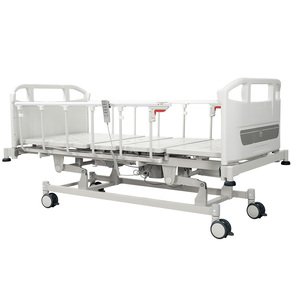
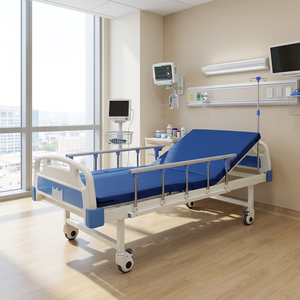
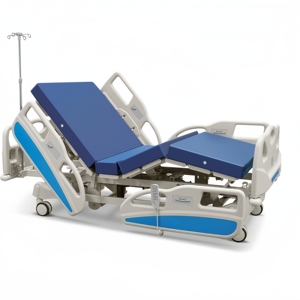
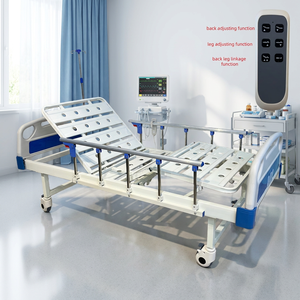
Explore our CE & ISO 13485 certified critical care beds, medical trolleys, and ward sanitation equipment engineered for intensive infection control environments.
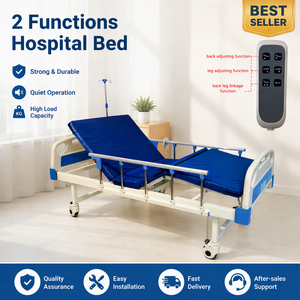
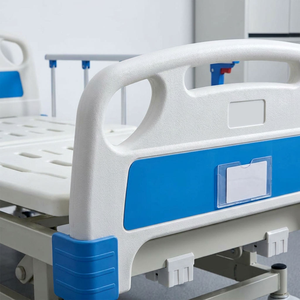
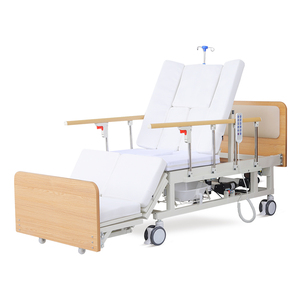
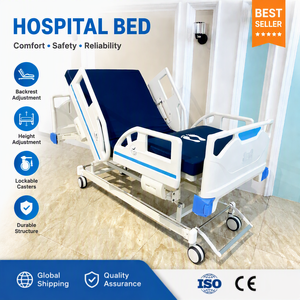
1. Biohazardous Medical Waste Containment: Engineering Standards & Regulatory Frameworks
In modern healthcare architecture, hospital-acquired infections (HAIs) and nosocomial cross-contamination represent severe clinical and financial liabilities. Medical waste bin trolleys are not merely passive logistics accessories; they serve as critical isolation barriers in the epidemiology of biohazardous waste streams. According to global health regulations—including the World Health Organization (WHO) Safe Management of Waste from Healthcare Activities guidelines and EU Directive 2005/32/EC—the transportation of infectious, cytotoxic, pathological, and sharp healthcare waste demands specialized containment systems.
To achieve genuine biohazard mitigation, medical waste bin trolleys manufactured by certified leaders utilize heavy-duty stainless steel (AISI 304 or AISI 316L) or high-density antimicrobial polymers. The integration of foot-pedal lid linkages allows healthcare workers to deposit contaminated consumables without surface hand contact, directly breaking the chain of pathogen transmission. Furthermore, leak-proof retention basins built into the trolley base guarantee that liquid spillage from ruptured biohazard bags remains completely contained within the unit.
Engineering Specifications Matrix: Medical Waste Trolleys
Technical comparison of structural parameters across heavy-duty clinical waste handling systems.
| Engineering Feature | Standard Clinical Grade | CE-Certified Biohazard Grade | Gita Mediquip Heavy-Duty Exporter Grade |
|---|---|---|---|
| Structural Metallurgy | Mild Steel Powder Coated | AISI 304 Stainless Steel | Seamless TIG-Welded 1.2mm-1.5mm AISI 304/316 Steel |
| Lid Actuation System | Manual Hand-Lift | Standard Mechanical Foot Pedal | Heavy-Duty Hands-Free Pedal with Silent Hydraulic Soft-Close |
| Odor & Spill Isolation | Loose Fitting Lid | Rubber Gasket Sealed Lid | Hermetic EPDM Elastomeric Seal with Anti-Spill Fluid Well |
| Castor Wheel Engineering | Standard PVC Swivel Wheels | Non-Marking Polyurethane (PU) | 5-Inch Anti-Static ESD Double-Ball Bearing Braking Castors |
| Antimicrobial Coating | None / Regular Paint | Epoxy Powder Surface | Nanotechnology Silver-Ion Infused Anti-Bacterial Powder Coating |
| Regulatory Compliance | Local Quality Check | CE Mark, ISO 9001 | CE Mark, ISO 13485, ISO 14001, ISO 45001, IEC 60601-2-52 |
2. Enterprise Advantages & E-E-A-T Manufacturing Authority
Gita Mediquip Pvt. Ltd. stands as one of India's premier hospital furniture manufacturers and exporters, with an uninterrupted legacy of manufacturing excellence dating back to 1987. Headquartered in Ahmedabad, Gujarat, Gita Mediquip operates two state-of-the-art production hubs (Unit 1 in Narol and Unit 2 in Bareja), equipped with advanced CNC tube bending, robotic laser welding, and automated multi-stage electrostatic powder coating lines.
3. Future Procurement Trends in Medical Waste Bin Trolley Sourcing (2026–2035)
The procurement of medical waste bin trolleys is undergoing a paradigm shift. Healthcare administrators and institutional procurement managers no longer view waste trolleys as low-tech consumables. Instead, strategic sourcing revolves around four major industry-defining trends:
A. RFID & IoT-Enabled Smart Waste Tracking
Modern hospital accreditation systems (such as JCI and NABH) require strict chain-of-custody logging for biohazardous, pharmaceutical, and radioactive waste streams. Next-generation medical waste trolleys are being equipped with integrated passive RFID tags and smart weight-sensing load cells. As environmental services personnel move the waste trolley through ward checkpoints, automated ceiling sensors record the exact mass, timestamp, and operator identity, eliminating human error in medical waste auditing.
B. Hands-Free Pneumatic Dampening & Acoustic Floor Control
In intensive care units (ICUs) and neonatal wards, ambient noise reduction directly impacts patient recovery rates. Traditional metal lids create disruptive metallic clatter upon closing. Future procurement specs mandate hydraulic soft-close damper mechanisms rated for over 100,000 foot-pedal actuations, achieving a noise floor below 45 decibels (dB).
C. Color-Coded Modular Segregation Systems
To prevent accidental sorting mistakes, international procurement teams are moving toward modular, multi-bin waste trolley chassis. These units feature universal quick-release clamps that accommodate WHO-compliant color bins (Yellow for infectious waste, Red for contaminated plastics, Blue for glass ampoules, Black/Grey for municipal waste). This versatility enables rapid reconfiguration based on ward department requirements.
D. Sustainable Polymer Reclamation & Circular Material Sourcing
In alignment with ISO 14001 environmental standards, top-tier manufacturers are incorporating eco-friendly high-density polyethylene (HDPE) resins produced via closed-loop recycling processes. Combined with non-toxic, lead-free powder coatings, these trolleys minimize the hospital’s embodied carbon footprint without sacrificing mechanical structural integrity.
4. Future Technological Trends in Hospital Sanitation Logistics
Looking ahead toward healthcare sanitation automation, the evolution of medical waste bin trolleys will intersect with robotics, material science, and infection control innovations:
5. Frequently Asked Questions (FAQ) — B2B Medical Procurement
Partner with India's Premier Hospital Furniture Manufacturer
Consult with our engineering and procurement team for CE-certified medical waste bin trolleys, ICU beds, and specialized hospital equipment engineered for global clinical excellence.